

Working Principle and Features of Calcium Carbonate Pneumatic Conveying Systems
Calcium carbonate is a widely used industrial material, and the efficient transportation of this material is crucial for many production processes. Pneumatic conveying systems have emerged as a reliable solution for handling calcium carbonate, offering advantages in terms of safety, efficiency, and flexibility. This article will explore the working principle and key features of calcium carbonate pneumatic conveying lines, providing insights into how these systems operate and why they are preferred in industrial applications.
Understanding the Working Principle of Calcium Carbonate Pneumatic Conveying Systems
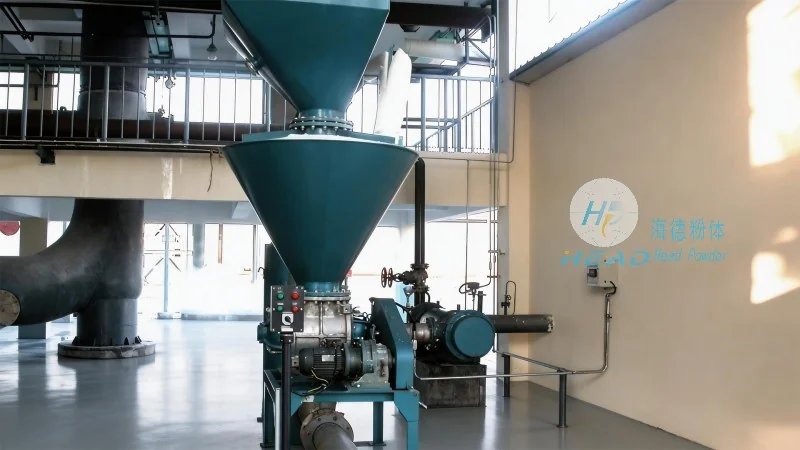
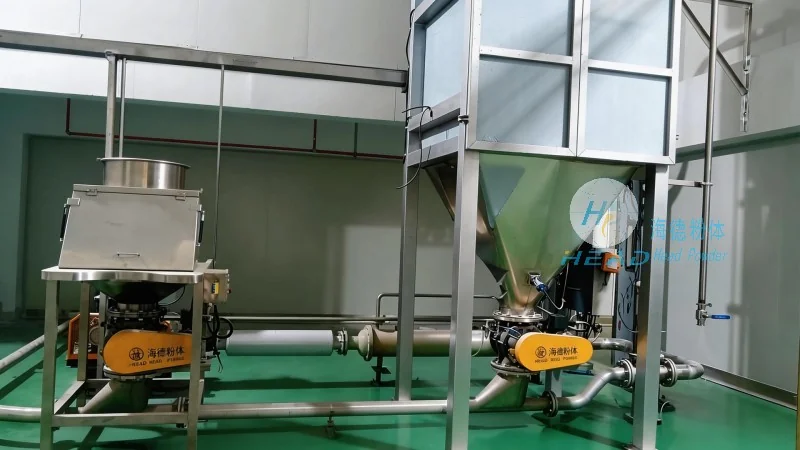
The core of a calcium carbonate pneumatic conveying system is the ability to transport bulk materials through a pipeline using compressed air. The process typically involves several key components, including a hopper for material storage, a feeder to control the flow rate, a conveying line with appropriate ductwork, and a receiver for the material at the destination. The working principle can be broken down into the following steps:
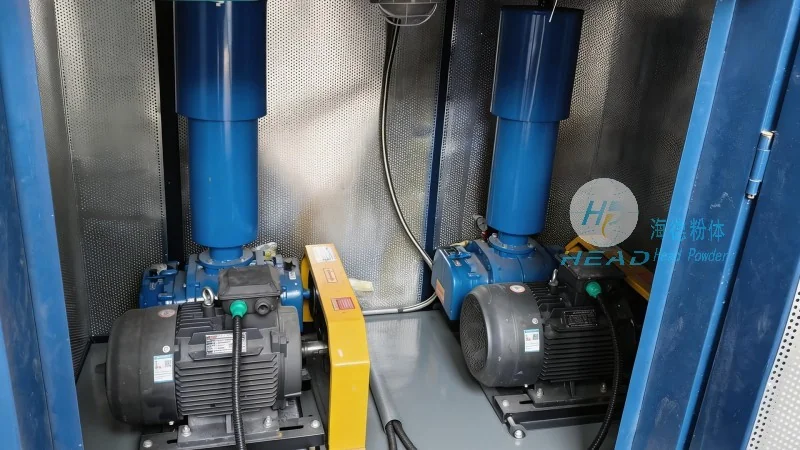
First, the calcium carbonate material is fed from the hopper into the conveying line. A feeder, often a rotary valve or a screw feeder, regulates the flow of material into the system, ensuring a consistent and controlled rate. Simultaneously, compressed air is introduced into the conveying line, creating a flow that propels the material through the pipeline. The air and material mixture travels through the ductwork, which may include bends, elbows, and other fittings designed to maintain the flow and prevent material settling or blockages.
As the mixture moves through the system, the air velocity is maintained at a level sufficient to keep the calcium carbonate particles suspended. This is critical because if the air velocity drops below the minimum required for suspension, the particles may settle and cause blockages or uneven flow. The system may also include a filter or separator at the receiving end to separate the material from the air, allowing the material to be deposited in the receiver and the air to be discharged or recycled.
Key Features of Calcium Carbonate Pneumatic Conveying Systems
Calcium carbonate pneumatic conveying systems offer several advantages that make them suitable for industrial applications. These features include:
1. High Efficiency and Reliability: Pneumatic conveying systems provide a continuous and reliable method for transporting calcium carbonate, reducing downtime and improving overall production efficiency. The enclosed pipeline design minimizes material loss and contamination, ensuring the material remains in good condition throughout the process.
2. Safety and Environmental Benefits: Unlike traditional methods such as bucket elevators or belt conveyors, pneumatic systems are enclosed, which reduces the risk of dust emissions and improves workplace safety. The system also helps in controlling dust and preventing environmental pollution, making it an environmentally friendly option.
3. Flexibility and Versatility: Pneumatic conveying systems can be easily adapted to different production layouts and requirements. The ability to change the direction of the conveying line or adjust the flow rate allows for flexibility in material handling. Additionally, these systems can handle a wide range of particle sizes and moisture contents, making them suitable for various calcium carbonate products.
4. Low Maintenance and Cost-Effective: Compared to other material handling equipment, pneumatic conveying systems generally have lower maintenance requirements and operational costs. The absence of moving parts in the conveying line reduces wear and tear, and the system can be easily cleaned and maintained.
Applications and Industries
Calcium carbonate pneumatic conveying systems are widely used in various industries, including the chemical, food, and pharmaceutical sectors. In the chemical industry, these systems are used to transport calcium carbonate for the production of coatings, plastics, and other materials. In the food industry, they are employed to handle calcium carbonate as a food additive or filler. The pharmaceutical industry also utilizes these systems for the transport of calcium carbonate in the manufacturing of tablets and other dosage forms.
Conclusion
Calcium carbonate pneumatic conveying systems are an essential component in many industrial processes, offering a reliable and efficient method for material transportation. The working principle, which relies on compressed air to move the material through a pipeline, combined with the key features such as safety, flexibility, and low maintenance, makes these systems a preferred choice for handling calcium carbonate. As a leading provider in this field, Shandong HeadPowder Engineering Co., Ltd. specializes in designing and manufacturing high-quality pneumatic conveying systems tailored to the specific needs of calcium carbonate applications. With a focus on innovation and customer satisfaction, HeadPowder ensures that their systems meet the highest standards of performance and reliability, contributing to the smooth operation of industrial production lines.