

What is an arsenic trioxide material pneumatic conveying line? What are its design principles?
For industrial operations dealing with arsenic trioxide, the selection of an efficient material handling system is crucial. A pneumatic conveying line specifically designed for arsenic trioxide offers a safe and effective method to transport this hazardous material. This article explores the concept of an arsenic trioxide material pneumatic conveying line and delves into its fundamental design principles, providing insights into how such systems are engineered to meet industrial demands.
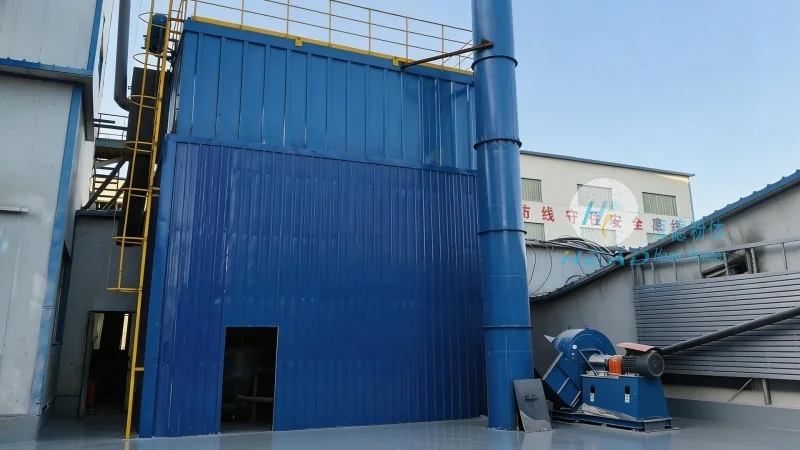
About HeadPowder Engineering Co., Ltd.
HeadPowder, a leading provider in the field of material handling solutions, specializes in the design, manufacturing, and installation of pneumatic conveying systems. With a strong presence in Shandong, China, the company has built a reputation for delivering high-quality equipment tailored to the unique requirements of various industries. The expertise of HeadPowder lies in understanding the specific challenges associated with handling hazardous materials like arsenic trioxide, ensuring that their solutions are both safe and reliable.
Understanding Pneumatic Conveying Systems
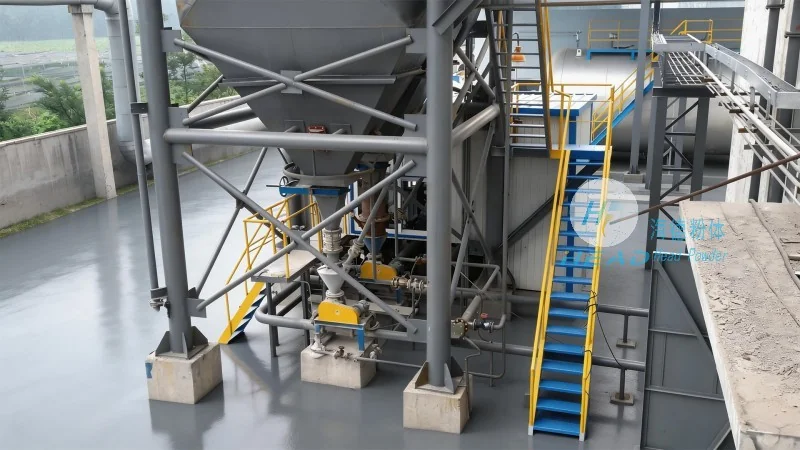
Pneumatic conveying lines utilize air or other gases to transport bulk materials through a pipeline. In the case of arsenic trioxide, which is a toxic and potentially corrosive substance, the design of the conveying system must prioritize safety, containment, and material integrity. The system typically consists of a hopper, a conveyor line, and a receiver, all connected by a network of pipes. The material is fed into the hopper and then drawn into the pipeline by a vacuum or pressure source, depending on the specific conveying method used.
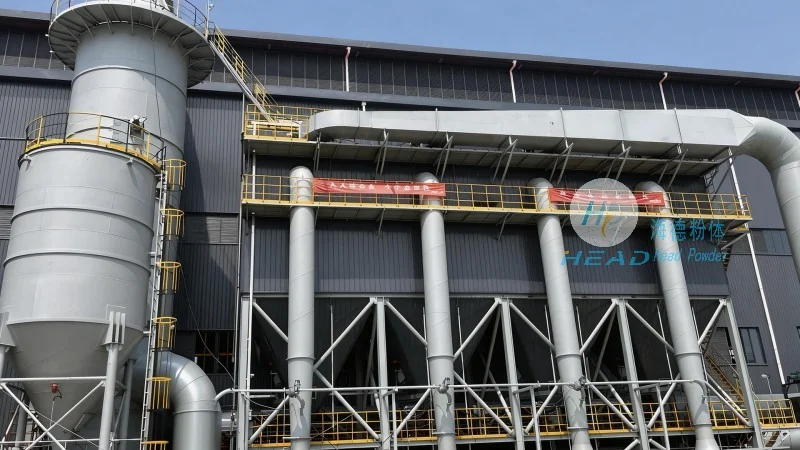
Design Principles for Arsenic Trioxide Pneumatic Conveying Lines
The design of an arsenic trioxide material pneumatic conveying line involves several critical principles to ensure optimal performance and safety. First, the system must be constructed from materials that are resistant to corrosion and chemical attack, as arsenic trioxide can be aggressive to certain metals. Stainless steel or specialized alloys are commonly used for the construction of the pipeline and components to prevent contamination and ensure longevity. Second, the system incorporates robust sealing mechanisms to prevent leaks and maintain a safe working environment. This includes double-seal valves and airtight connections throughout the pipeline to contain the material and prevent exposure to personnel. Third, the conveying velocity is carefully controlled to avoid material degradation or blockages. The velocity must be sufficient to keep the material in suspension but not so high as to cause wear on the system components. Fourth, the system is equipped with monitoring and control devices to ensure safe operation. These may include pressure sensors, flow meters, and alarm systems that alert operators to any deviations from normal operating conditions, enhancing safety and operational efficiency.
Key Features and Benefits
HeadPowder’s arsenic trioxide material pneumatic conveying lines are designed with several key features that enhance their performance and reliability. These include: 1. **Customizable System Design**: Each system is tailored to the specific needs of the client, considering factors such as material flow rate, pipeline length, and environmental regulations. 2. **Advanced Filtration and Cleaning Systems**: To ensure the material remains pure and free from contaminants, the system incorporates high-efficiency filters and cleaning mechanisms that can be easily maintained. 3. **Safety Protocols**: The system adheres to strict safety standards, including explosion-proof designs and emergency shutdown capabilities, to protect both personnel and the environment. 4. **Energy Efficiency**: By optimizing the conveying velocity and system design, the equipment minimizes energy consumption while maintaining high throughput, reducing operational costs for the client.
Conclusion
An arsenic trioxide material pneumatic conveying line is a sophisticated system that combines engineering expertise with safety considerations to efficiently handle this hazardous material. The design principles, including corrosion-resistant materials, robust sealing, controlled conveying velocity, and advanced monitoring, ensure that the system operates reliably and safely. With the support of companies like Shandong HeadPowder Engineering Co., Ltd., industries can implement effective material handling solutions that meet both operational and regulatory requirements. By understanding the design principles and features of such systems, businesses can make informed decisions to enhance their material handling processes and ensure compliance with safety standards.