

What is a Manganese Silicate Powder Pneumatic Conveying System? And What Are Its Design Principles?
For industrial operations dealing with manganese silicate powders, the selection of an efficient and reliable material handling system is crucial. A pneumatic conveying system specifically designed for such powders offers a solution that combines performance, safety, and operational flexibility. This article explores the fundamental aspects of a manganese silicate powder pneumatic conveying system, including its design principles and key operational features.
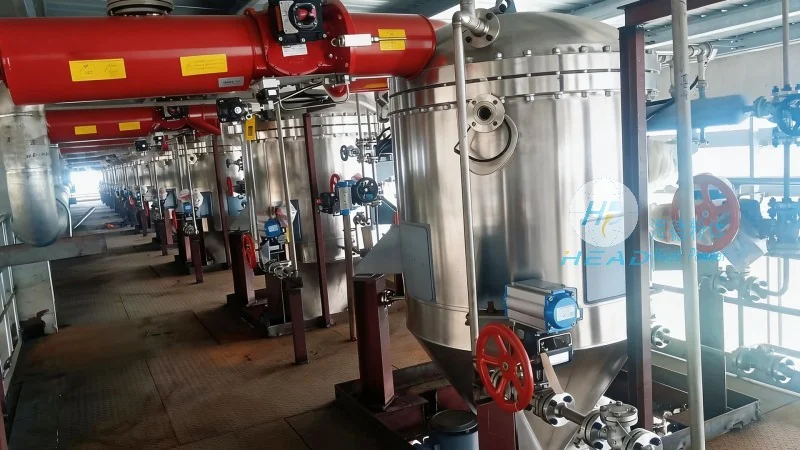
Introduction to Manganese Silicate Powder Pneumatic Conveying Systems
A pneumatic conveying system is a method of transporting bulk materials, such as powders, through a pipeline using a gas stream, typically air. In the case of manganese silicate powders, these systems are engineered to handle materials with specific properties like particle size, moisture content, and flowability. The system ensures that the powder is transported from a source point to a destination point without the need for mechanical components like belts or buckets, which can be prone to wear and maintenance issues.
Understanding the Core Components of the System
The effectiveness of a manganese silicate powder pneumatic conveying system relies on several critical components. These include the material feed hopper, which stores and meters the powder; the air compressor or blower that generates the necessary air pressure; the conveying line, which is typically made of materials resistant to corrosion and abrasion; and the control system that regulates the flow of both the powder and the air. Each component is designed to work in harmony to ensure consistent and reliable operation.
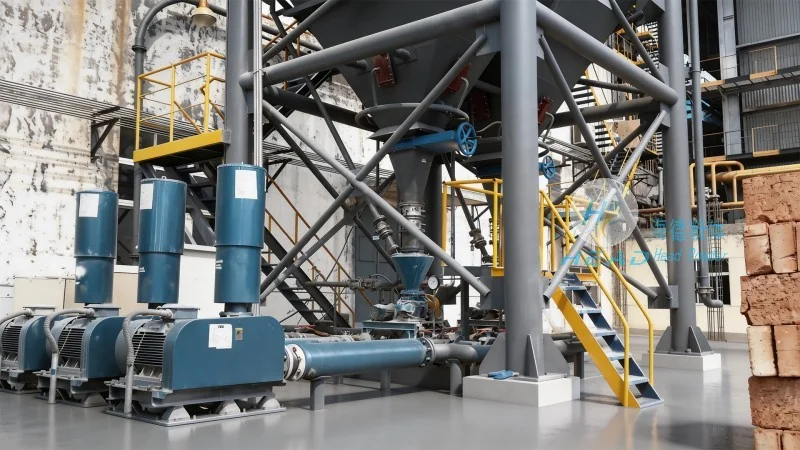
Design Principles and Technical Considerations
The design of a manganese silicate powder pneumatic conveying system is guided by several key principles. First, the system must be capable of handling the specific characteristics of manganese silicate powders, such as their density, particle size distribution, and potential for caking or agglomeration. Engineers must consider the appropriate air velocity and pressure to prevent particle degradation or blockages in the pipeline. Additionally, the system's design must incorporate features that minimize dust emissions and ensure compliance with environmental regulations. The use of materials like stainless steel or specialized coatings for the conveying line is common to prevent corrosion from the acidic or alkaline nature of the powder.
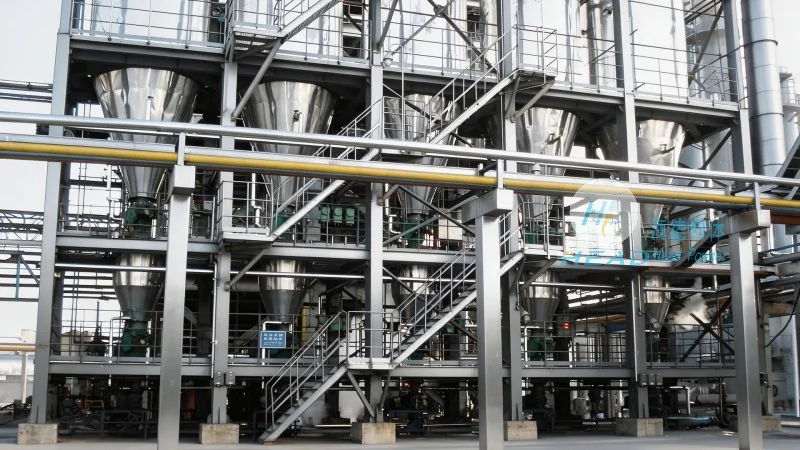
Application Scenarios and Operational Benefits
Manganese silicate powder pneumatic conveying systems are widely used in various industrial applications, including chemical manufacturing, mining, and material processing. They are particularly beneficial in processes where the powder needs to be transported over long distances or through complex layouts without the need for multiple transfer points. The operational benefits of such systems include reduced labor costs due to automated material handling, improved safety by eliminating manual handling of powders, and enhanced product quality by preventing contamination or degradation during transport. Furthermore, the system's ability to handle varying flow rates and material compositions makes it adaptable to different production needs.
Company Profile: Shandong HeadPowder Engineering Co., Ltd.
Shandong HeadPowder Engineering Co., Ltd., commonly known as HeadPowder, is a leading provider of specialized engineering solutions for material handling systems. With a focus on innovation and customer-centric design, HeadPowder has established itself as a trusted partner in the industry. The company is headquartered in Shandong, China, and offers comprehensive services ranging from system design and manufacturing to installation and maintenance. HeadPowder's expertise in pneumatic conveying systems, particularly for manganese silicate powders, is built on years of experience and a commitment to delivering high-quality, reliable solutions that meet the unique demands of industrial clients.