

What is a Fiber Material Powder Pneumatic Conveying System? What Are Its Design Principles?
Understanding the Fiber Material Powder Pneumatic Conveying System and Its Design Principles
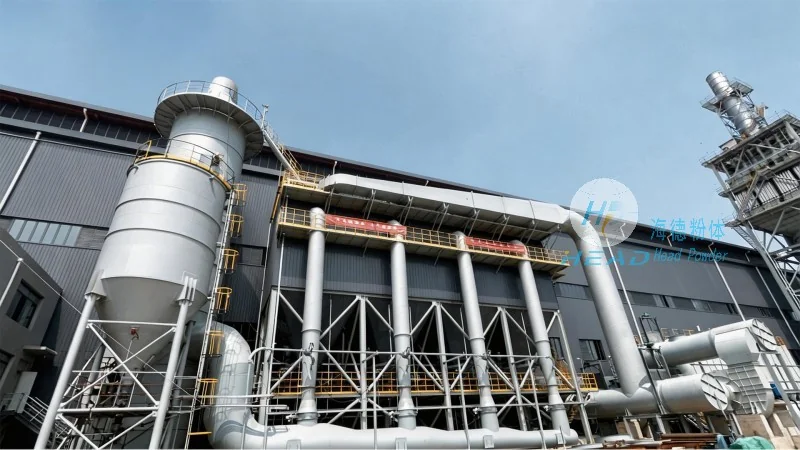
Introduction to Fiber Material Powder Pneumatic Conveying Systems
A fiber material powder pneumatic conveying system is a specialized industrial solution designed to transport fine powders, including those with fibrous components, through a pressurized or vacuum-driven air stream. This technology is crucial for industries dealing with materials like wood fibers, paper pulp, and other fibrous powders, where traditional bulk handling methods may be inefficient or impractical. The system combines the principles of fluid dynamics with mechanical engineering to ensure reliable, efficient, and low-maintenance material transport. As a leading provider in this field, Shandong HeadPowder Engineering Co., Ltd. specializes in designing and manufacturing such systems tailored to meet the unique demands of various industrial applications.
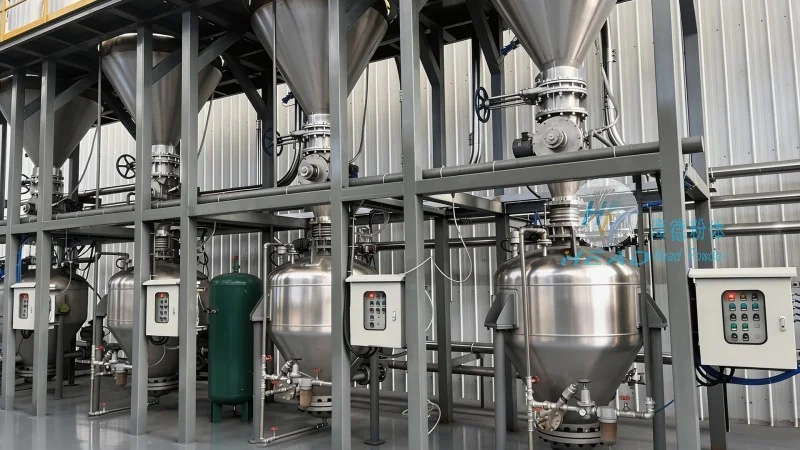
Key Components of a Fiber Material Powder Pneumatic Conveying System
The effectiveness of a fiber material powder pneumatic conveying system relies on several critical components, each playing a vital role in the overall operation. These components include:
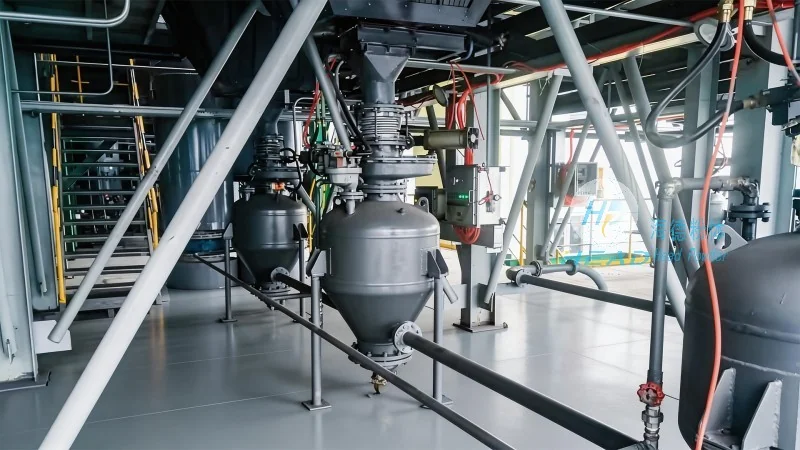
- Feeder: The feeder is responsible for accurately and consistently feeding the fiber material into the system. For fibrous powders, a rotary valve or a screw feeder is often used to maintain a steady flow rate, preventing blockages and ensuring uniform material introduction.
- Pneumatic Conveying Pipe: The pipe network forms the main transport pathway for the material. In systems handling fibrous materials, the pipe diameter and material (e.g., stainless steel or special alloys) are carefully selected to minimize friction and prevent material buildup. The design may include bends, expansions, and contractions to accommodate the material's flow characteristics.
- Pressure or Vacuum Source: This component generates the necessary air pressure or vacuum to move the material through the system. For high-capacity systems, positive pressure (blowers or compressors) is commonly used, while vacuum systems are suitable for shorter distances or when the material needs to be drawn from a source.
- Separation and Collection Equipment: At the end of the conveying line, separation equipment such as cyclones or filters is used to separate the fiber material from the air stream. This step is essential for maintaining material purity and preventing dust emissions. The design of these units must account for the fibrous nature of the material to avoid clogging and ensure efficient separation.
- Control System: Modern systems incorporate advanced control systems to monitor and regulate the conveying process. These systems can adjust air pressure, flow rate, and feeding speed in real-time, optimizing performance and preventing system failures. The control system may also include safety features to protect operators and equipment from potential hazards.
Design Principles for Efficient Fiber Material Powder Conveying
The design of a fiber material powder pneumatic conveying system is governed by several key principles aimed at maximizing efficiency, minimizing material degradation, and ensuring long-term reliability. These principles include:
- Material Characterization: Before designing the system, it is essential to thoroughly characterize the fiber material. This involves analyzing the particle size distribution, moisture content, bulk density, and fibrous structure. Understanding these properties helps in selecting the appropriate conveying method (e.g., dilute phase or dense phase) and determining the optimal air velocity and pressure.
- Air Velocity and Pressure: The air velocity within the conveying pipe is a critical parameter. For fibrous materials, a higher air velocity is often required to prevent material settling and ensure smooth flow. However, excessive velocity can lead to increased energy consumption and wear on components. The design must balance these factors to achieve the most efficient conveying conditions. Similarly, the pressure level is determined based on the system's length, elevation changes, and the required flow rate.
- Pipe Sizing and Layout: The diameter and length of the conveying pipe are carefully calculated to ensure the material remains in suspension. For fibrous powders, larger pipe diameters may be necessary to reduce friction and prevent clogging. The layout of the pipe network, including the number and angle of bends, is optimized to minimize pressure losses and maintain consistent flow. Proper pipe support and alignment are also crucial to prevent sagging or vibration-induced damage.
- Material Handling and Wear Resistance: Fibrous materials can be abrasive and may cause wear on system components. Therefore, the design incorporates wear-resistant materials, such as stainless steel or special alloys, for critical parts like the feeder, pipe, and separation equipment. Regular maintenance and inspection are also part of the design to ensure the system's longevity and performance.
- Energy Efficiency and Environmental Considerations: Modern fiber material powder pneumatic conveying systems are designed with energy efficiency in mind. This includes using high-efficiency blowers and optimizing the air flow to reduce energy consumption. Additionally, the system incorporates dust collection and filtration to minimize environmental impact and comply with regulatory standards.
Applications and Benefits of Fiber Material Powder Pneumatic Conveying Systems
Fiber material powder pneumatic conveying systems are widely used in various industries, including the paper and pulp industry, woodworking, and food processing. These systems offer several benefits over traditional handling methods:
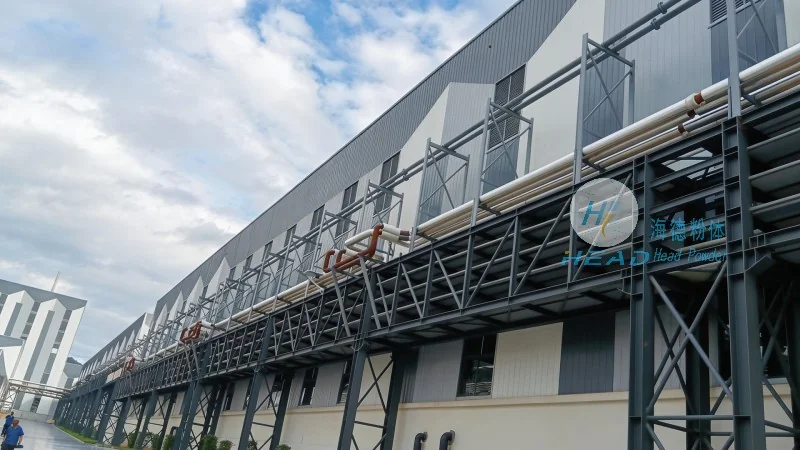
- Improved Material Handling: The system allows for the efficient transport of fibrous materials over long distances without the need for intermediate storage or handling. This reduces labor costs and improves overall operational efficiency.
- Reduced Material Degradation: Unlike mechanical conveying methods, pneumatic systems minimize material degradation by avoiding direct contact with equipment. This is particularly important for delicate fibrous materials that can be easily damaged by friction or impact.
- Space Efficiency: The compact design of pneumatic conveying systems makes them ideal for facilities with limited space. The system can be installed in a vertical or horizontal configuration, depending on the layout requirements.
- Enhanced Safety: By eliminating the need for manual handling of powders, the system reduces the risk of dust explosions and occupational exposure to harmful particles. The enclosed system also prevents material contamination and cross-contamination.
Conclusion and Company Overview
Shandong HeadPowder Engineering Co., Ltd. is a leading manufacturer of fiber material powder pneumatic conveying systems, with a strong presence in China. The company's expertise lies in designing customized solutions that meet the specific needs of its clients, ensuring reliable and efficient material transport. By adhering to the principles of material characterization, optimal air velocity, and robust system design, HeadPowder provides systems that deliver superior performance and long-term value. With a commitment to quality and innovation, Shandong HeadPowder Engineering Co., Ltd. continues to be a trusted partner for industries relying on efficient fiber material handling solutions.