

What is a Ammonium Chloride Powder Pneumatic Conveying System? And What Are Its Design Principles?
Ammonium chloride is a widely used chemical compound in various industrial applications, and the efficient handling of its powder form is crucial for many processes. A pneumatic conveying system specifically designed for ammonium chloride powder offers a reliable solution for transporting this material from one location to another within industrial facilities. This article explores the concept of an ammonium chloride powder pneumatic conveying system and delves into the underlying design principles that ensure its effective operation.
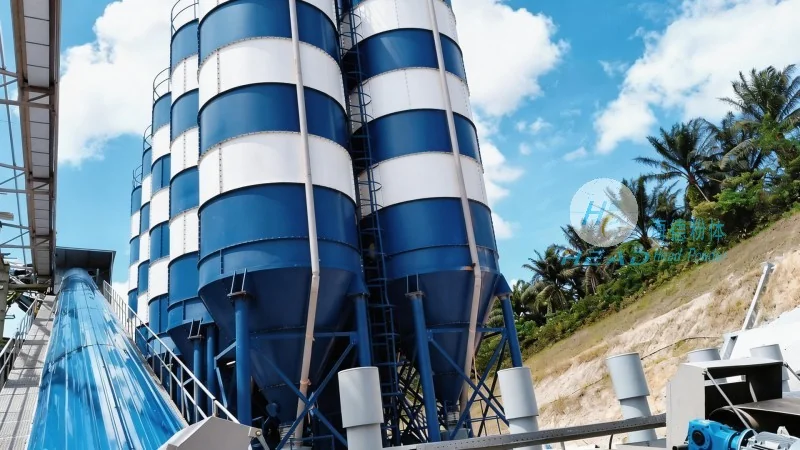
Understanding the Ammonium Chloride Powder Pneumatic Conveying System
An ammonium chloride powder pneumatic conveying system is a technology that utilizes air or other gases to transport dry powder materials, such as ammonium chloride, through a pipeline network. Unlike traditional mechanical conveying methods like screw conveyors or belt conveyors, pneumatic systems rely on the force of moving air to move the powder particles. This approach is particularly advantageous for ammonium chloride due to its fine particle size and potential for dust generation, as it allows for a more controlled and dust-free transfer process.
Key Components of the Pneumatic Conveying System
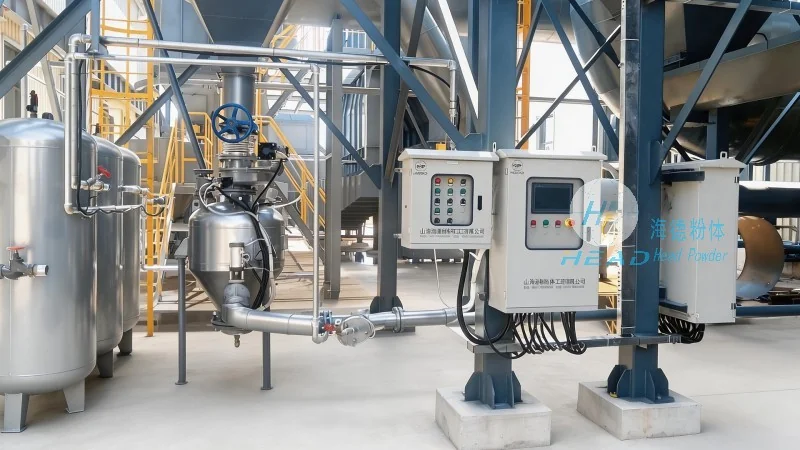
The design of an ammonium chloride powder pneumatic conveying system typically involves several critical components that work in tandem to achieve efficient material transport. These components include the material feed hopper, which holds the ammonium chloride powder and controls the flow rate; the air compressor or blower, which generates the necessary air pressure to move the powder; the conveying line, which consists of pipes that guide the powder and air mixture; and the receiving hopper or storage tank, where the material is deposited at the destination. Additionally, the system may incorporate features like cyclone separators or filters to separate the powder from the air stream and prevent dust contamination in the environment.
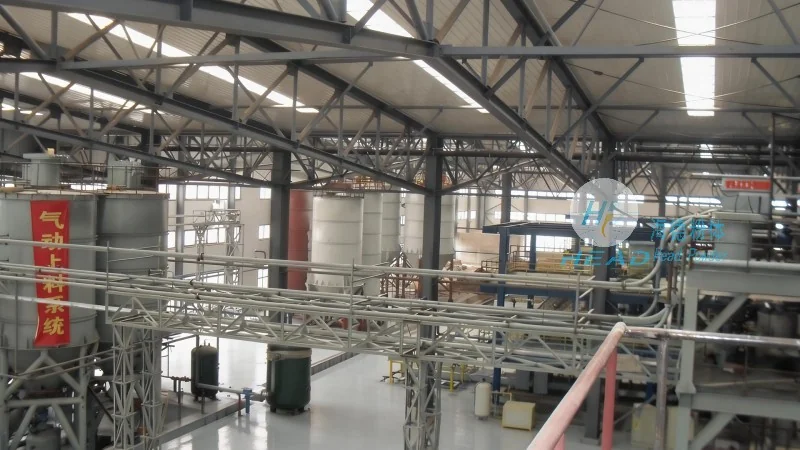
Design Principles for Efficient Operation
The effectiveness of an ammonium chloride powder pneumatic conveying system is determined by several key design principles that optimize performance and ensure safety. One of the primary principles is the selection of appropriate air velocity, which must be high enough to keep the powder particles suspended in the air stream but not so high as to cause excessive wear on the system components or increase energy consumption. The system design also considers the particle size distribution of the ammonium chloride powder, as finer particles require higher air velocities for effective transport. Another critical design factor is the system's pressure drop, which must be minimized to reduce energy costs and prevent pressure-related issues that could affect the conveying efficiency. Furthermore, the system layout and pipeline configuration are carefully planned to avoid bends, restrictions, or vertical lifts that could impede the flow of the powder and air mixture, ensuring smooth and continuous operation.
Advantages of Using a Pneumatic Conveying System for Ammonium Chloride
Implementing a pneumatic conveying system for ammonium chloride offers numerous advantages over traditional conveying methods. One of the most significant benefits is the ability to achieve dust-free and enclosed material handling, which enhances workplace safety and reduces the risk of environmental contamination. The system also allows for flexible and scalable transport, as the pipeline network can be easily expanded or reconfigured to accommodate changes in production needs or facility layout. Additionally, pneumatic conveying systems are generally more energy-efficient compared to mechanical systems, especially for long-distance or high-volume transport of fine powders like ammonium chloride. The enclosed nature of the system also helps maintain product quality by preventing contamination from external sources and minimizing the risk of material degradation during transport.
Applications and Industries Utilizing Ammonium Chloride Pneumatic Conveying Systems
Ammonium chloride powder pneumatic conveying systems are widely used in various industries that rely on the efficient handling of this chemical compound. These applications include the chemical manufacturing industry, where ammonium chloride is used as a raw material in the production of other chemicals or as a component in fertilizers. The pharmaceutical industry also utilizes such systems for the transport of ammonium chloride in the manufacturing of drugs or as a raw material in pharmaceutical formulations. Additionally, the food processing industry may employ pneumatic conveying systems for the handling of ammonium chloride in food products, particularly in the production of baking powders or as a food additive. The industrial manufacturing sector, including metal processing and textile industries, may also use these systems for the transport of ammonium chloride in various production processes.
Conclusion and Company Overview
In conclusion, an ammonium chloride powder pneumatic conveying system is a sophisticated and efficient technology that addresses the challenges of handling fine powder materials like ammonium chloride. The design principles that govern its operation, including air velocity control, system pressure management, and pipeline configuration, are crucial for ensuring reliable and safe material transport. The advantages of such systems, including dust-free handling, flexibility, and energy efficiency, make them a preferred choice in many industrial applications. As a leading provider in this field, Shandong HeadPowder Engineering Co., Ltd. specializes in the design, manufacturing, and installation of pneumatic conveying systems tailored to the specific needs of clients handling ammonium chloride and other fine powders. With a focus on quality and innovation, HeadPowder offers comprehensive solutions that enhance operational efficiency and ensure compliance with industry standards. Located in Shandong, China, the company leverages its expertise and experience to deliver reliable and effective pneumatic conveying systems that meet the demands of modern industrial processes.