With more than 10‑year industry experience, Shandong Headpowder delivers full‑service pneumatic‑conveying systems and blowers, undertaking nationwide turn‑key powder‑handling projects.
For industries dealing with kaolin, an efficient material handling system is crucial for maintaining production efficiency and product quality. The design principles of a kaolin material handling system are tailored to the unique properties of kaolin, such as its fine particle size, high moisture content, and tendency to agglomerate. This article explores the key components and design considerations for a robust kaolin material handling system, highlighting how Shandong HeadPowder Engineering Co., Ltd. leverages expertise to deliver tailored solutions.
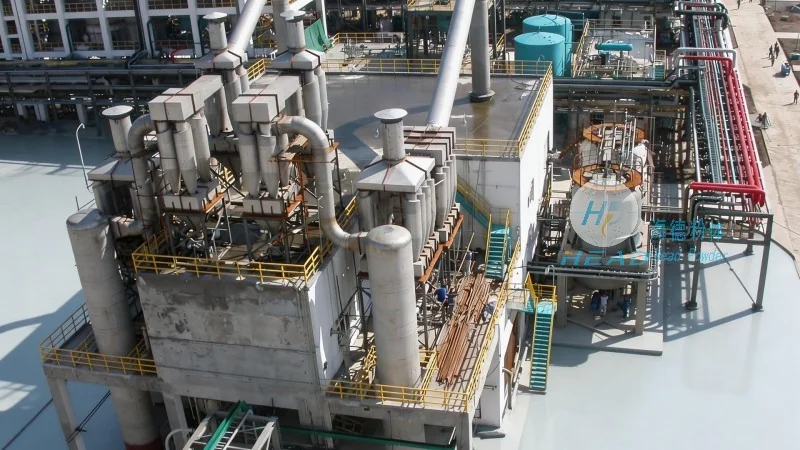
A well-designed kaolin material handling system typically includes several critical components that work in tandem to ensure smooth material flow. The primary elements include feeders, conveyors, storage silos, and processing equipment. Feeders, such as rotary valves or vibratory feeders, are used to control the flow rate of kaolin from storage silos or bulk containers. These devices help maintain consistent material feed, which is essential for downstream processing equipment like mills or classifiers. Conveyors, often in the form of belt conveyors or pneumatic systems, transport kaolin from one processing stage to another. The choice of conveyor type depends on factors like material moisture content, particle size, and the required distance of transport. Storage silos are vital for storing kaolin in bulk, providing a buffer for production and preventing material degradation due to exposure to air or moisture. Proper silo design, including aeration systems and moisture control measures, is essential to maintain kaolin quality during storage.
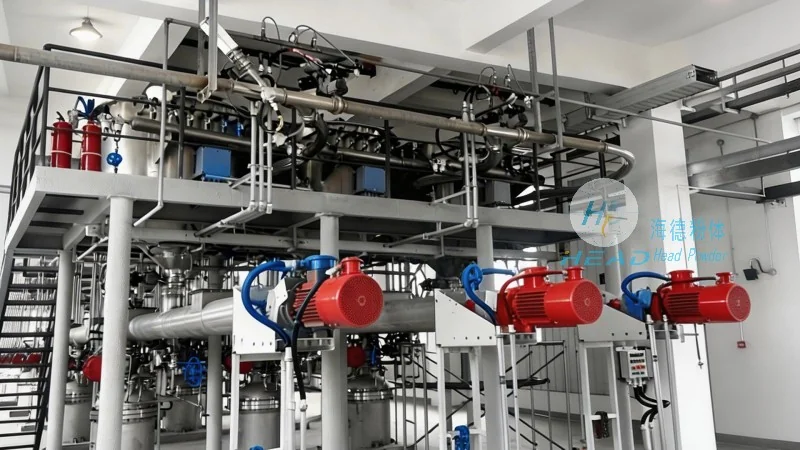
The design of a kaolin material handling system must address several key challenges to ensure optimal performance. One of the most significant challenges is handling fine particles, which can cause issues like clogging in equipment and dust generation. To mitigate these problems, engineers often incorporate features like vibration systems, air knives, or special belt materials that prevent material buildup. Moisture control is another critical design consideration, as kaolin is hygroscopic and can absorb moisture from the air, leading to clumping and reduced flowability. Designers may include moisture control systems, such as desiccant units or heated sections in the conveyor, to maintain kaolin in a dry, free-flowing state. Additionally, the system must account for the potential for kaolin to agglomerate, which can affect material flow and processing efficiency. Solutions may include the use of agitators or shear mixers to break up agglomerates before they enter the conveyor system.
Effective material handling in kaolin processing requires seamless integration with downstream processes. The system must ensure that kaolin is delivered to processing equipment, such as grinding mills or classifiers, at a consistent rate and in the correct condition. This integration involves careful consideration of the entire process flow, from raw material storage to final product packaging. For example, the conveyor system may need to be synchronized with the mill's operating speed to avoid overloading or underloading the equipment. Process control systems, such as PLCs (Programmable Logic Controllers), are often used to monitor and adjust material flow in real-time, ensuring that the system operates at peak efficiency. These systems can detect changes in material flow or quality and adjust parameters like feeder speed or conveyor tension accordingly.
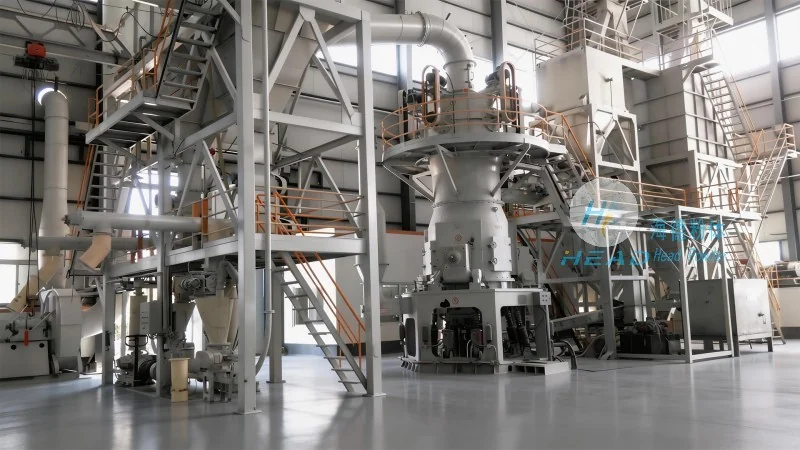
Investing in a customized kaolin material handling system offers several advantages for industrial operations. First, it enhances production efficiency by reducing downtime caused by material blockages or equipment malfunctions. By addressing the unique challenges of kaolin handling, such as fine particle size and moisture sensitivity, the system minimizes the risk of process interruptions. Second, a well-designed system improves product quality by maintaining consistent material properties throughout the handling process. This consistency is crucial for downstream processing, as variations in kaolin quality can affect the final product's performance. Third, a customized system can reduce operational costs by minimizing material waste and energy consumption. Efficient material flow reduces the need for manual intervention and lowers energy usage in conveyor systems. Finally, a robust system enhances safety by preventing dust explosions and material-related accidents. Proper design, including dust collection systems and explosion-proof components, ensures a safe working environment for personnel.

 Shandong Headpowder Engineering Co., Ltd.
 156-6277-7102(Manager Zhang)
  0531-83386006
  Zhangqiu District, Jinan City, Shandong Province, China
telephone
WeChatconsult
top