

What is a Carbon Fiber Powder Conveying System? And What Are Its Design Principles?
The carbon fiber powder conveying system is a specialized piece of equipment engineered to handle and transport carbon fiber powders efficiently. This system is vital in various industrial sectors, including aerospace, automotive, and composite manufacturing, where carbon fiber materials are utilized to produce lightweight yet strong components. Understanding the components and design principles of this system is essential for optimizing material handling processes and maintaining product quality.
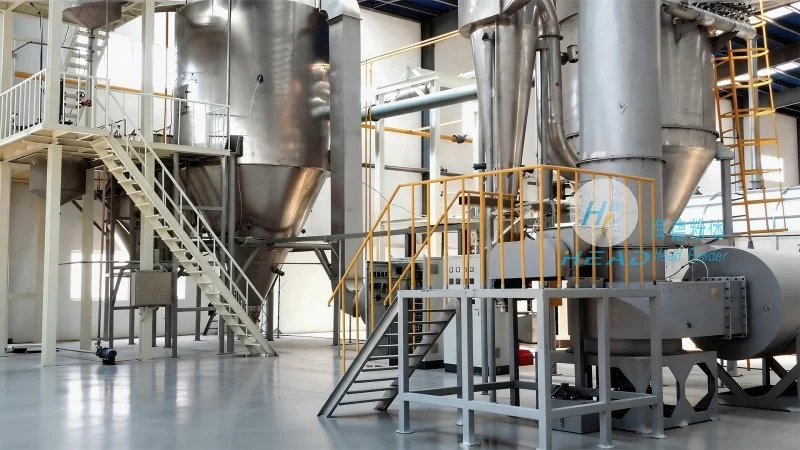
About HeadPowder and Their Expertise
HeadPowder, a leading manufacturer based in Shandong, China, specializes in developing advanced powder handling solutions. With years of experience in the field, the company provides high-quality carbon fiber powder conveying systems tailored to meet the specific needs of different industries. Their commitment to innovation and quality ensures that clients receive reliable and efficient equipment for their carbon fiber processing needs.
Key Components of a Carbon Fiber Powder Conveying System
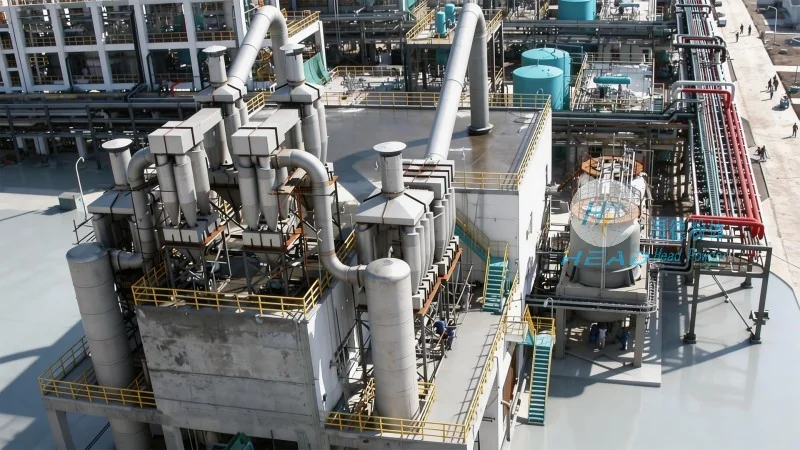
A typical carbon fiber powder conveying system comprises several critical components. These include a hopper for material storage, a feeder to control the flow rate, a conveyor mechanism (such as a screw or pneumatic system) to transport the powder, and a control unit to regulate the entire process. Each component plays a vital role in ensuring the smooth and efficient operation of the system. The hopper is designed to hold a large quantity of carbon fiber powder, while the feeder ensures a consistent and controlled flow into the conveyor. The conveyor mechanism then transports the powder to the next stage of processing, and the control unit monitors and adjusts parameters like pressure and flow rate to prevent issues like blockages or uneven delivery.
Design Principles and Material Considerations
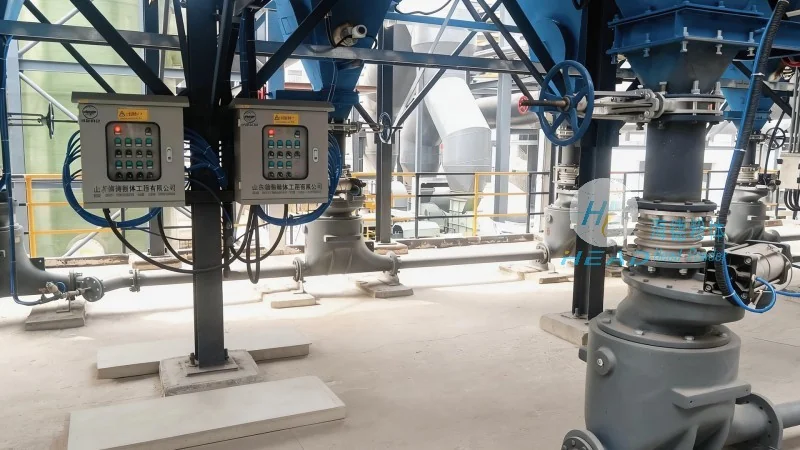
The design of a carbon fiber powder conveying system is based on several fundamental principles to ensure optimal performance. First, the system must handle the unique properties of carbon fiber powders, which are often abrasive and can cause wear on equipment. Therefore, materials like stainless steel or special coatings are used to protect the components from wear and corrosion. Second, the system is designed to minimize dust generation and ensure proper ventilation to maintain a safe working environment. This is crucial as carbon fiber dust can be hazardous if inhaled. Third, the control system is integrated to allow for precise control over the flow rate and pressure, preventing material blockages and ensuring consistent delivery. The design also considers the need for easy maintenance and cleaning, as carbon fiber powders can adhere to surfaces and cause clogging if not properly managed.
Applications and Benefits in Industrial Settings
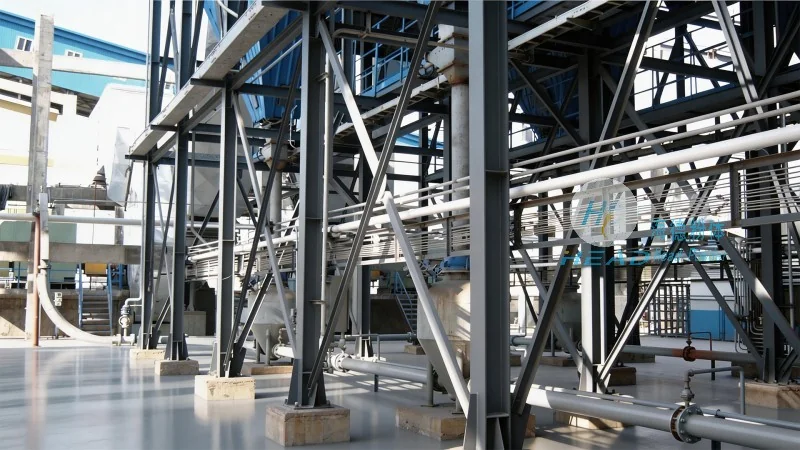
These systems are widely used in industries that require the handling of carbon fiber powders. For example, in the aerospace industry, carbon fiber composites are used to manufacture lightweight and strong components for aircraft. The conveying system ensures that the carbon fiber powder is delivered to the mixing and molding processes without any contamination or loss, which is critical for achieving the desired mechanical properties. Similarly, in the automotive industry, carbon fiber parts are used to enhance vehicle performance and fuel efficiency. The system helps in the efficient transport of the powder to the manufacturing lines, reducing downtime and improving overall productivity. Another key benefit is the reduction in labor costs, as the system automates the entire process of powder handling. Additionally, the system improves product quality by ensuring consistent and uniform powder delivery, which leads to more reliable and durable final products.
Maintenance and Long-Term Performance
Proper maintenance of the carbon fiber powder conveying system is essential to ensure its long-term performance and reliability. Regular cleaning of the hopper and conveyor components is necessary to prevent the buildup of powder and blockages. The control unit should be checked regularly to ensure it is functioning correctly and that all sensors and valves are working as intended. Additionally, the system should be inspected for any signs of wear and tear, such as worn-out bearings or damaged seals, and replaced as needed to prevent equipment failure. Implementing a preventive maintenance schedule can significantly extend the lifespan of the system and reduce the risk of unexpected breakdowns.
Conclusion
In conclusion, the carbon fiber powder conveying system is a critical piece of equipment in industries that use carbon fiber materials. Its design principles and components are tailored to handle the unique properties of carbon fiber powders, ensuring efficient and safe material handling. With the right design, maintenance, and operational practices, this system can significantly improve the productivity and quality of carbon fiber products. As the demand for carbon fiber materials continues to grow, the importance of reliable and efficient powder handling systems like this will only increase, making it a valuable investment for any industry involved in carbon fiber processing.