

What is a Dolomite Material Conveying Line? What Are Its Design Principles?
Dolomite is a widely used industrial mineral in sectors like construction and chemicals. Efficient and stable dolomite material handling systems are crucial for boosting production efficiency. This article delves into the definition, function, and core design principles of dolomite material conveying lines, helping readers gain a comprehensive understanding of this key equipment.
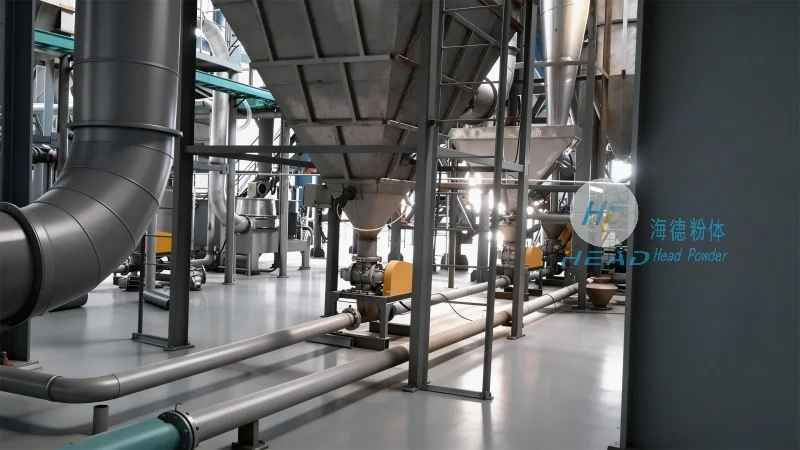
Understanding Dolomite Material Conveying Lines
A dolomite material conveying line, or dolomite conveyor system, is a specialized industrial setup designed to transport dolomite ore or processed dolomite materials from one location to another within a production facility or between processing stages. These systems are vital for mining, cement production, and chemical processing plants where large volumes of dolomite are handled daily.
The primary function of a dolomite material conveying line is to automate the movement of bulk materials, such as crushed dolomite, over long distances or vertical heights. This automation reduces manual labor, minimizes material loss, and enhances overall operational efficiency. By efficiently moving raw materials from extraction sites to processing plants or storage areas, these systems support seamless industrial workflows.
Key Design Principles of Dolomite Material Conveying Lines
The design of a dolomite material conveying line involves critical principles tailored to the unique properties of dolomite, including density, particle size, and moisture content. These principles ensure optimal performance, durability, and safety. The main design considerations are as follows:
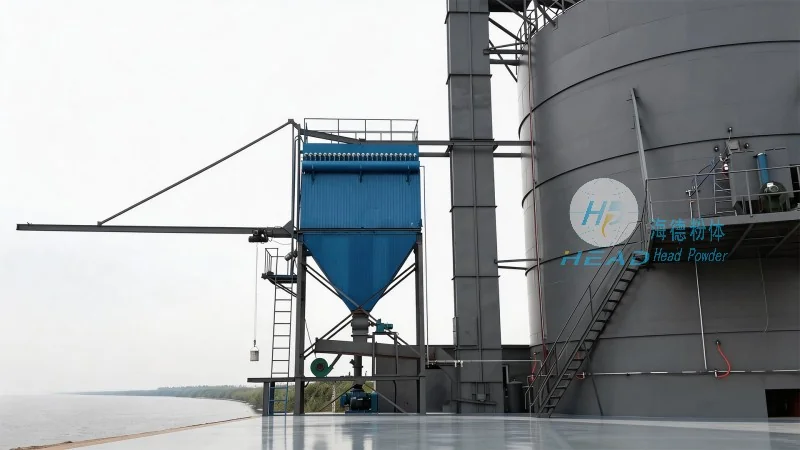
1. Material Characterization and Analysis Before designing a conveying system, engineers must analyze the physical properties of the dolomite material. This includes determining bulk density, particle size range (e.g., fine powder to large lumps), and moisture content. This data is essential for calculating required conveyor capacity and selecting appropriate equipment components. For example, fine powders may require pneumatic conveying systems, while larger lumps need reinforced belt conveyors with heavy-duty idlers.
2. Conveyor Capacity and Flow Rate Calculation The design must ensure the conveying line can handle the expected material flow rate without bottlenecks. This involves calculating belt speed, width, and the number of conveyors in series. Capacity is typically measured in tons per hour (t/h) based on bulk density and desired throughput. A 1-meter-wide belt conveyor at 2 meters per second can transport approximately 100 tons per hour of dolomite with a 1.5 tons per cubic meter bulk density.
3. Equipment Selection and Layout The choice of conveying equipment depends on application and distance. Common options include belt conveyors (for horizontal/slight incline), screw conveyors (vertical/inclined, especially for fine powders), bucket elevators (vertical lifting), and pneumatic systems (dusty or fine powders for enclosed transport). Belt conveyors are widely used due to high capacity and low maintenance.
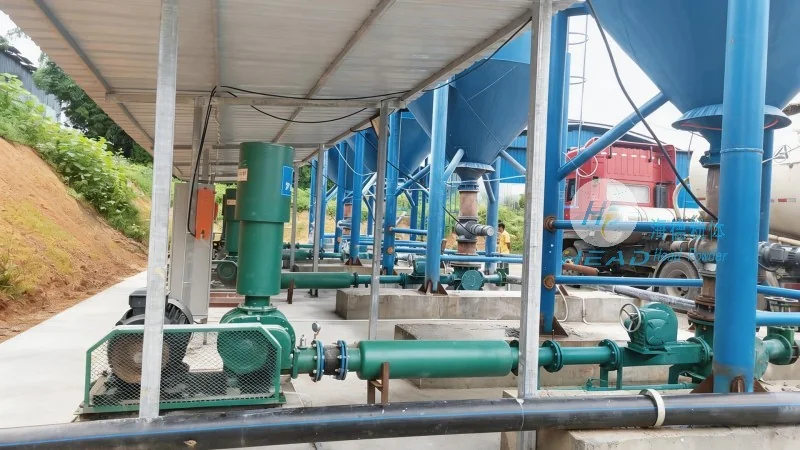
4. System Integration and Control A well-designed line integrates components like feeders, hoppers, and control panels. The control system uses sensors to monitor belt tension, speed, and material levels, with alarms for overloading or slippage. This integration enables real-time adjustments for optimal performance and equipment protection.
Role of Shandong HeadPowder Engineering Co., Ltd. in Dolomite Conveying Line Design
Shandong HeadPowder Engineering Co., Ltd., a leading provider of industrial material handling solutions, specializes in designing and manufacturing dolomite material conveying lines tailored to client needs. With extensive industry experience, the company applies advanced engineering and technology to deliver customized solutions that enhance productivity and safety.
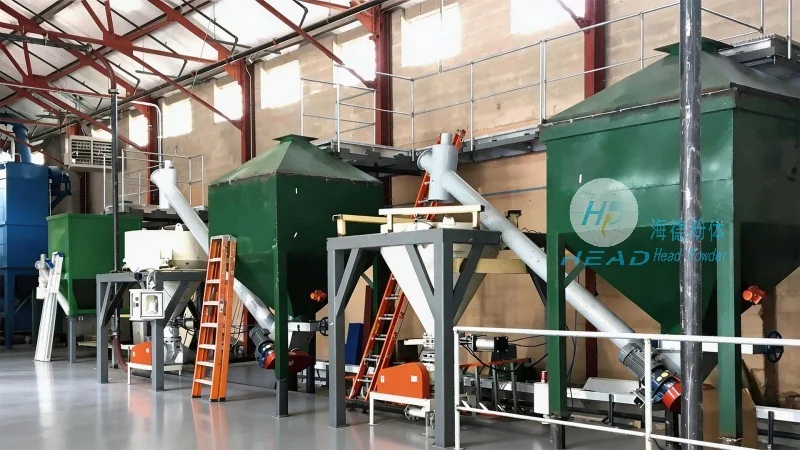
The company's design process starts with analyzing operational requirements, including material volume, transport distance, and environmental/safety constraints. Engineers then develop a comprehensive design incorporating the principles above, ensuring the final system meets or exceeds industry standards.
HeadPowder selects high-quality components, such as durable belts, robust idlers, and efficient motors, essential for long-term operation. The company also offers post-installation support, including maintenance and technical assistance, to ensure the conveying line operates at peak efficiency.
Conclusion
In summary, a dolomite material conveying line is a critical component in industrial dolomite processing, enabling efficient and safe material transport. The design principles—material analysis, capacity calculation, equipment selection, and system integration—are essential for creating reliable, high-performing systems. Companies like Shandong HeadPowder Engineering Co., Ltd. play a vital role in delivering tailored solutions that meet unique industry demands, contributing to improved productivity and operational excellence.