With more than 10‑year industry experience, Shandong Headpowder delivers full‑service pneumatic‑conveying systems and blowers, undertaking nationwide turn‑key powder‑handling projects.
A wood fiber material conveying line is a specialized industrial system designed to transport wood fiber materials efficiently and safely. These systems are crucial in various industries, including paper manufacturing, biomass energy production, and wood processing, where the handling of fibrous materials is a key operational step. The primary function of such a line is to move wood fibers from one processing stage to another, ensuring consistent flow and minimizing material loss or degradation.
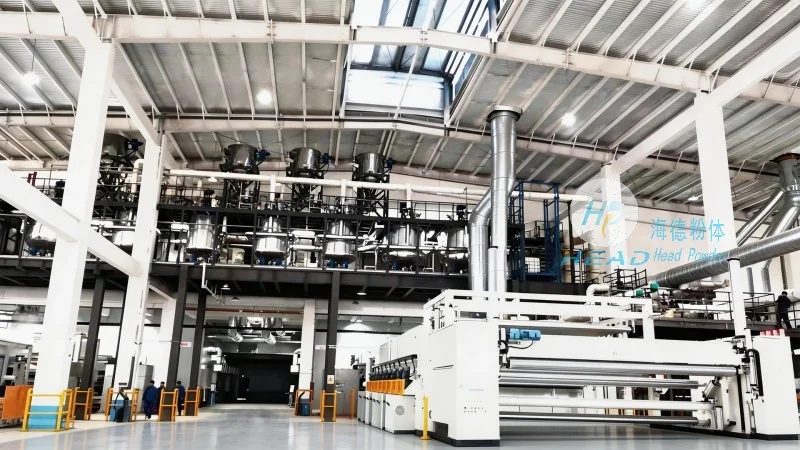
The design of a wood fiber material conveying line is based on several fundamental principles that ensure optimal performance. First, the system must accommodate the unique physical properties of wood fibers, such as their length, density, and tendency to clump or mat. This requires careful consideration of the conveyor's material, speed, and angle to prevent blockages and ensure smooth movement. Second, the design prioritizes energy efficiency and operational reliability. Components like idlers, pulleys, and drive mechanisms are selected to minimize power consumption while maintaining consistent throughput. Third, safety and maintenance are integral to the design. Features like emergency stop buttons, protective guards, and easy access for maintenance personnel are incorporated to ensure safe operation and reduce downtime.
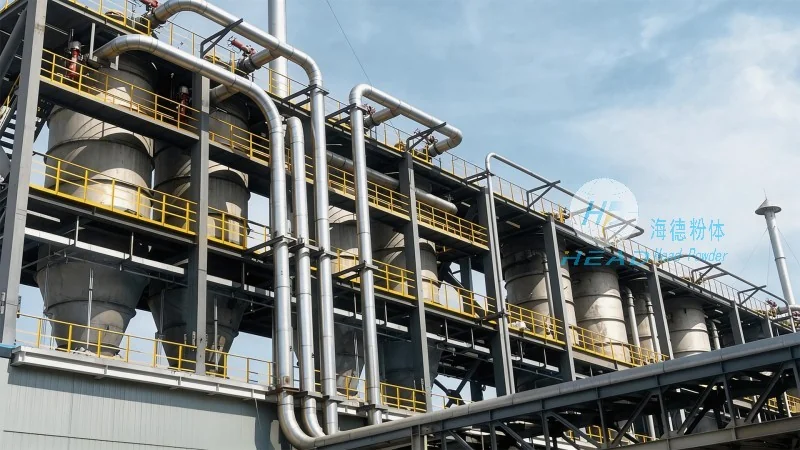
Wood fiber material conveying lines typically consist of several key components, each playing a vital role in the overall system. The primary components include the feed hopper, which collects and feeds the wood fibers into the conveyor; the conveyor itself, which may be a belt conveyor, screw conveyor, or pneumatic conveyor, depending on the application; and the discharge mechanism, which delivers the fibers to the next processing stage. The feed hopper is designed to handle bulk wood fibers and ensure a consistent feed rate, preventing overloading or underloading of the conveyor. The conveyor belt or screw is engineered to handle the fibrous material without causing damage or breakage, using materials like rubber or metal with appropriate coatings. The discharge mechanism, such as a chute or rotary valve, controls the flow of fibers out of the system, directing them to the intended destination. Additionally, control systems, including sensors and variable speed drives, monitor and adjust the conveyor's operation to maintain optimal performance.

Shandong HeadPowder Engineering Co., Ltd., a leading manufacturer based in China, specializes in designing and producing high-quality wood fiber material conveying lines. With years of experience in the industry, the company understands the specific challenges of handling wood fibers and has developed advanced solutions to address them. The company's design process begins with a thorough analysis of the customer's requirements, including the type of wood fiber, production capacity, and operational environment. Engineers then select the appropriate conveyor type and components, considering factors like material properties, space constraints, and budget. The manufacturing process involves precision engineering and quality control to ensure that each component meets the highest standards. Shandong HeadPowder uses advanced materials and technologies to enhance the durability and efficiency of its conveying lines, resulting in systems that are reliable, energy-efficient, and easy to maintain. The company also provides comprehensive after-sales support, including installation, training, and maintenance services, to ensure that customers can maximize the performance of their equipment.
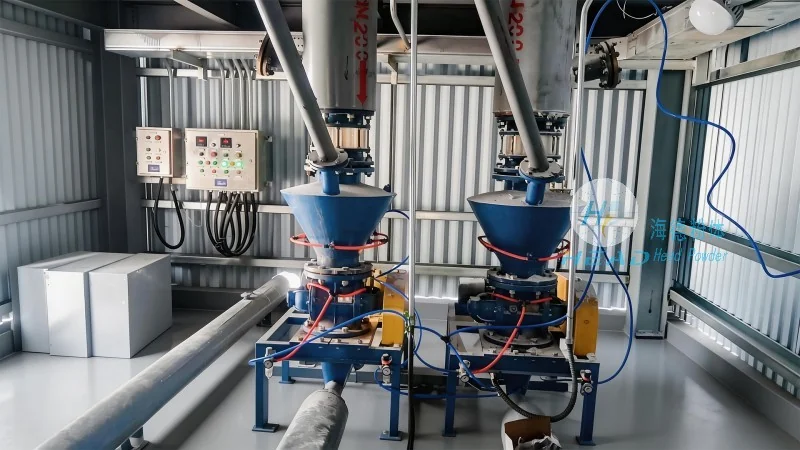
Investing in a well-designed wood fiber material conveying line offers numerous benefits for industrial operations. First, it improves operational efficiency by ensuring a consistent and continuous flow of materials, reducing downtime and increasing production output. Second, it enhances safety by minimizing the risk of accidents associated with manual handling of fibrous materials. Third, it reduces material loss and degradation by preventing damage during transport. Fourth, it lowers energy costs by using energy-efficient components and optimized system design. Finally, it provides flexibility to adapt to changing production needs, allowing businesses to scale their operations as required. These benefits make wood fiber conveying lines an essential investment for any company involved in wood processing or related industries.

 Shandong Headpowder Engineering Co., Ltd.
 156-6277-7102(Manager Zhang)
  0531-83386006
  Zhangqiu District, Jinan City, Shandong Province, China
telephone
WeChatconsult
top