With more than 10‑year industry experience, Shandong Headpowder delivers full‑service pneumatic‑conveying systems and blowers, undertaking nationwide turn‑key powder‑handling projects.
For industrial applications requiring the efficient transport of calcined limestone powder, the pneumatic conveying machine offers a reliable solution. This equipment is specifically designed to handle the unique properties of calcined limestone, ensuring safe and effective material transfer. The system is manufactured by Shandong HeadPowder Engineering Co., Ltd., a leading provider of industrial conveying solutions based in China. With a focus on quality and innovation, the company has developed advanced pneumatic conveying systems tailored to the needs of various industries.
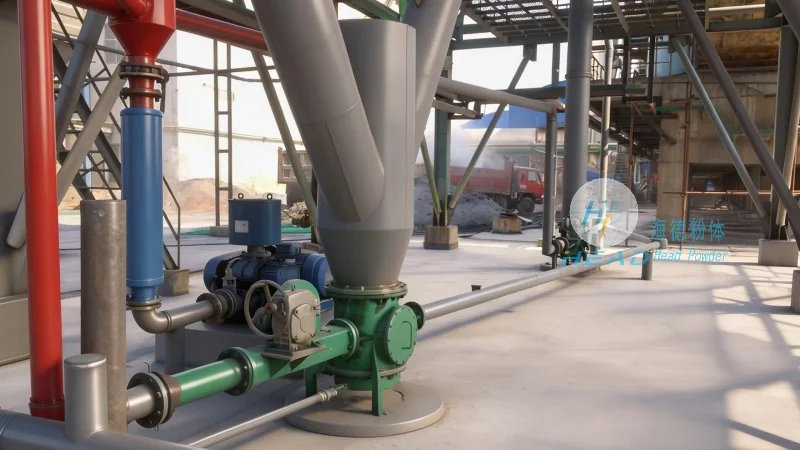
The calcined limestone powder pneumatic conveying machine is a specialized piece of industrial equipment used to transport fine powders like calcined limestone through a pipeline using air or gas as the conveying medium. Unlike traditional mechanical conveyors, this system relies on the force of air to move the material, which is particularly advantageous for handling dusty or abrasive powders that could damage mechanical components. The machine is engineered to maintain a consistent flow rate, minimize material degradation, and ensure environmental safety by containing dust emissions.
The pneumatic conveying system for calcined limestone typically consists of several critical components, each playing a vital role in the overall operation. These include the hopper for material storage, the air compressor or blower to generate the conveying air, the pipeline network for material transport, the control system for regulating air pressure and flow, and the discharge unit for delivering the material to its destination. The hopper is designed with a sloped bottom to facilitate smooth material discharge, while the air compressor provides the necessary pressure to move the powder through the pipeline. The control system ensures that the air pressure and flow rate are adjusted according to the material characteristics and system requirements, optimizing performance and preventing system overload.
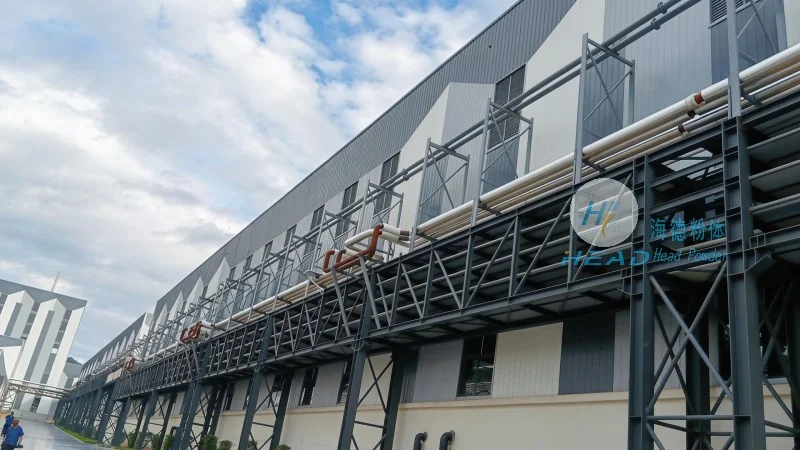
The operation of the calcined limestone powder pneumatic conveying machine begins with the loading of calcined limestone into the hopper. Once the hopper is filled, the air compressor starts, generating a flow of air that creates a negative pressure in the pipeline. This pressure difference draws the calcined limestone powder from the hopper into the pipeline. As the air and powder mixture travels through the pipeline, the air velocity is maintained at a level sufficient to keep the powder suspended, preventing it from settling or clogging the system. The material is then transported to the discharge point, where the air is separated from the powder using a cyclone or other separation device. The separated powder is collected in a container, while the air is either filtered and recycled back into the system or vented to the atmosphere, depending on the system design and environmental regulations.
The working principle of the calcined limestone powder pneumatic conveying machine is based on the fundamental concept of pneumatic transport, where the material is suspended and carried by the air flow. The key to efficient operation lies in maintaining the right balance between air velocity and material particle size. For calcined limestone, which is a fine powder, the air velocity must be high enough to keep the particles in suspension but not so high as to cause excessive wear on the system components or degrade the material. The system operates under either positive or negative pressure, depending on the application. In positive pressure systems, the air is forced through the pipeline, pushing the material forward. In negative pressure systems, the air is drawn through the pipeline, creating a vacuum that pulls the material in. The choice between these systems depends on factors such as the distance of transport, the amount of material to be moved, and the need to contain dust emissions.
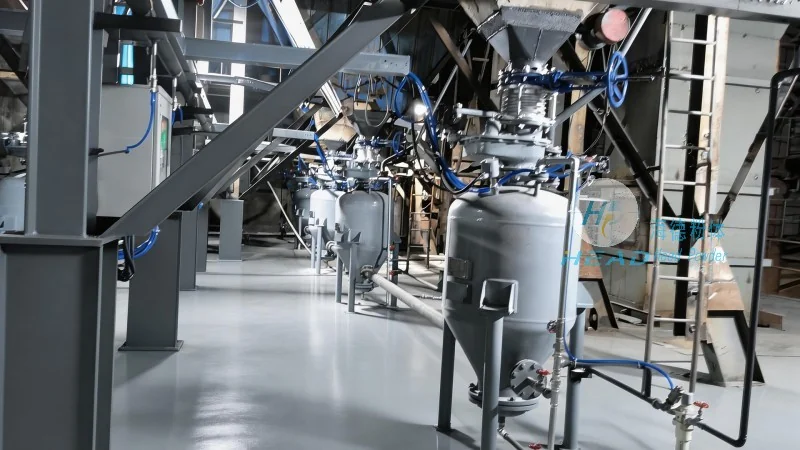
Employing a pneumatic conveying machine for calcined limestone offers several advantages over traditional conveying methods. Firstly, it provides a dust-free and enclosed system, which enhances workplace safety and reduces the risk of material contamination. Secondly, it eliminates the need for mechanical components like belts or screws, which can be prone to wear and tear, especially when handling abrasive materials like calcined limestone. This reduces maintenance costs and increases the system's longevity. Thirdly, the system allows for flexible and modular design, enabling easy expansion or reconfiguration as production needs change. Additionally, pneumatic conveying can handle long-distance transport efficiently, making it suitable for applications where the material must be moved over considerable distances without intermediate storage or handling.
The calcined limestone powder pneumatic conveying machine is widely used in various industries that require the handling of fine powders. These include the cement industry, where calcined limestone is a key raw material for cement production. It is also used in the chemical industry for transporting limestone used in the production of calcium compounds. Other applications include the pharmaceutical industry, where the material is used in the manufacturing of certain drugs, and the food industry, where it may be used as a filler or ingredient in food products. The versatility of the system makes it suitable for a wide range of industrial processes that demand reliable and efficient material transport.
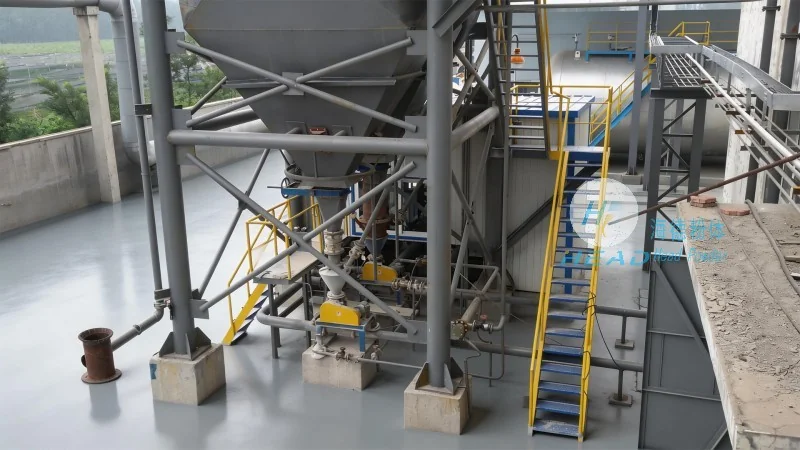
To ensure the optimal performance and longevity of the calcined limestone powder pneumatic conveying machine, regular maintenance is essential. This includes checking and replacing air filter elements to prevent dust buildup, inspecting the pipeline for blockages or wear, and maintaining the air compressor or blower at peak efficiency. The system should also be monitored for air pressure and flow rate to ensure they remain within the recommended parameters. Proper maintenance not only extends the life of the equipment but also ensures consistent material quality and system reliability. Additionally, operators should be trained on the proper operation and safety procedures to prevent accidents and ensure compliance with environmental regulations.
The calcined limestone powder pneumatic conveying machine is a sophisticated and efficient solution for the transport of fine powders in industrial settings. By understanding its operational process and working principles, users can maximize its performance and benefits. The system's ability to handle calcined limestone safely and effectively makes it an indispensable tool in industries such as cement, chemicals, and pharmaceuticals. With proper maintenance and operation, this equipment can provide reliable service for many years, contributing to improved productivity and operational efficiency.

 Shandong Headpowder Engineering Co., Ltd.
 156-6277-7102(Manager Zhang)
  0531-83386006
  Zhangqiu District, Jinan City, Shandong Province, China
telephone
WeChatconsult
top