

Operation Process and Working Principle of Straw Ash Powder Pneumatic Conveying Machine
The straw ash powder pneumatic conveying machine is a specialized equipment designed for the efficient transportation of fine powders, such as straw ash, which is a byproduct from biomass combustion processes. This equipment is crucial in industrial applications where the handling of lightweight, dusty materials requires a reliable and dust-free method. The operation process and working principle of this machine are fundamental to understanding its effectiveness and suitability for various industrial settings.
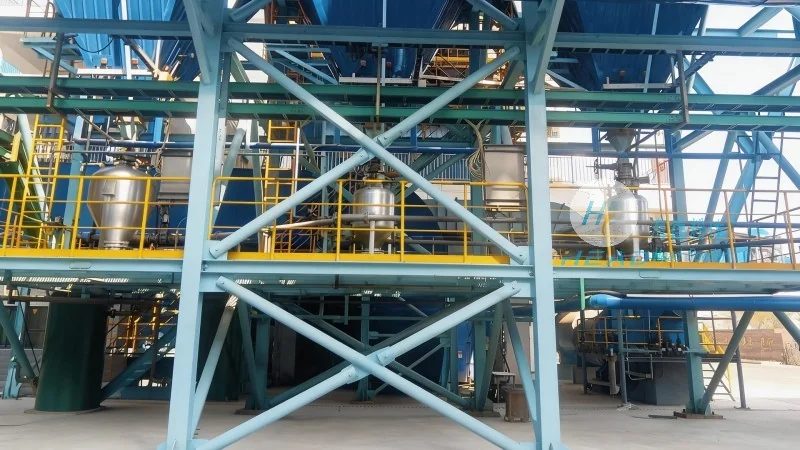
Company Overview: HeadPowder
HeadPowder, a leading manufacturer based in Shandong, China, specializes in the design and production of advanced pneumatic conveying systems. With a strong focus on innovation and quality, the company has developed the straw ash powder pneumatic conveying machine to meet the demands of modern industrial processes. The company's headquarters is located in Shandong, China, and it has built a reputation for delivering high-performance equipment tailored to the needs of clients in diverse industries.
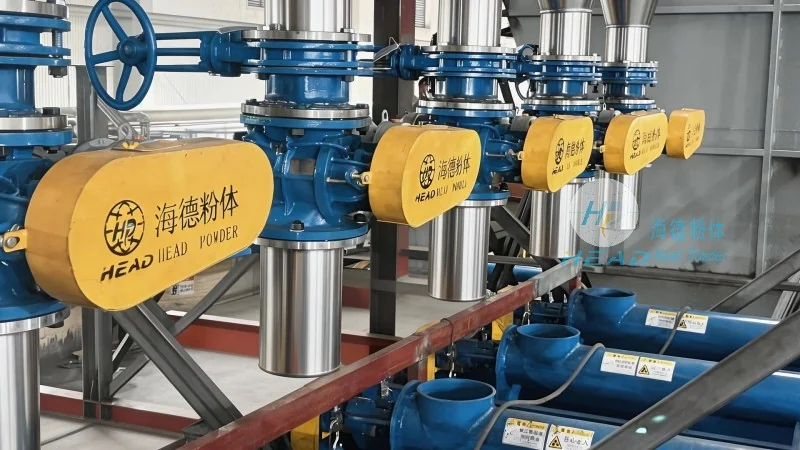
Working Principle of the Pneumatic Conveying Machine
The working principle of the straw ash powder pneumatic conveying machine is based on pneumatic conveying technology, which utilizes compressed air to transport the powder material through a pipeline system. The machine typically consists of several key components: a hopper for material storage, a blower or air compressor to generate the necessary air pressure, a pipeline network for material transport, and a separator to separate the air from the powder at the discharge end. The process begins with the straw ash being fed into the hopper from the source, such as a storage silo or a processing unit. As the material accumulates in the hopper, it is gradually released into the pipeline under the influence of the air flow generated by the blower. The compressed air, moving at high velocity, creates a negative pressure in the pipeline, which pulls the powder particles along with it. This mixture of air and powder travels through the pipeline to the discharge point, where the air is separated from the powder and either recirculated or released, while the powder is collected in the designated container.

Operation Process of the Machine
The operation process of the straw ash powder pneumatic conveying machine involves several sequential steps. First, the system is started by activating the blower, which generates the required air pressure. Simultaneously, the material feeder, often a rotary valve or a screw feeder, is engaged to control the flow rate of the straw ash into the hopper. The material then flows from the hopper into the pipeline as the air flow pulls it along. The pipeline design, including the diameter, length, and number of bends, is optimized to minimize pressure drop and ensure smooth material transport. At the discharge end, the air and powder mixture enters a separator, such as a cyclone or a bag filter, where the air is separated from the powder. The separated powder is collected in a container, while the air is either filtered to remove dust particles and then recirculated back to the blower or released to the atmosphere, depending on the system configuration. The entire process is automated, with sensors and control systems monitoring the pressure, flow rate, and material level to maintain optimal operation. This ensures consistent and reliable transportation of the straw ash powder without the need for manual handling, reducing labor costs and improving safety in the workplace.
Advantages and Applications
The straw ash powder pneumatic conveying machine offers several advantages over traditional conveying methods, such as belt conveyors or bucket elevators. It provides a dust-free and hygienic environment, which is essential for handling materials that may be used in food or pharmaceutical industries. Additionally, the system is compact and can be installed in confined spaces, making it suitable for facilities with limited floor space. The low maintenance requirements and energy efficiency of the machine also contribute to its cost-effectiveness, as it reduces operational costs and extends the lifespan of the equipment. The machine is widely used in industries such as biomass power generation, where straw ash is a byproduct of combustion, and in material processing plants that require the transport of fine powders for further processing or disposal.
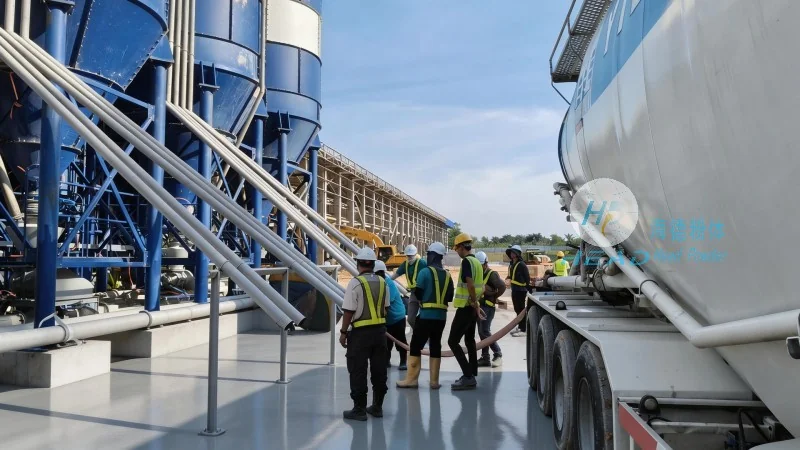
Conclusion
Shandong HeadPowder Engineering Co., Ltd., with its headquarters in Shandong, China, has established itself as a trusted provider of high-quality pneumatic conveying solutions. The company's expertise in designing and manufacturing straw ash powder pneumatic conveying machines ensures that clients receive equipment that meets their specific requirements and operational needs. By leveraging advanced technology and rigorous quality control, HeadPowder delivers reliable and efficient solutions for the transportation of fine powders, supporting the growth and productivity of various industrial sectors. The operation process and working principle of the straw ash powder pneumatic conveying machine, as described above, highlight the importance of this equipment in modern industrial applications and the role of HeadPowder in providing innovative solutions for material handling challenges.