With more than 10‑year industry experience, Shandong Headpowder delivers full‑service pneumatic‑conveying systems and blowers, undertaking nationwide turn‑key powder‑handling projects.
Understanding the sand and gravel powder conveying system is crucial for industries that rely on efficient material handling. This system is engineered to transport fine powders, such as sand and gravel, from one location to another with precision and reliability. The design principles behind these systems are tailored to address the unique challenges of handling such materials, ensuring optimal performance and minimal downtime.
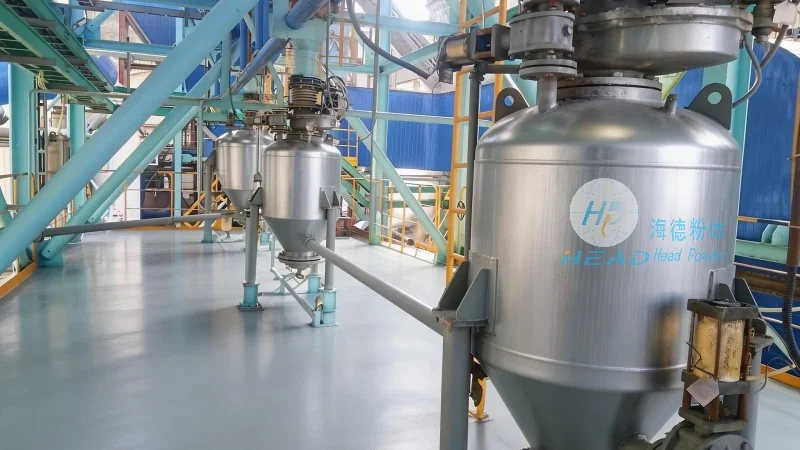
A sand and gravel powder conveying system is a specialized equipment setup designed to move fine particulate materials like sand, gravel, and other similar powders. These systems are widely used in construction, mining, and manufacturing industries where the efficient transfer of bulk materials is essential for operational efficiency. The core components of such a system typically include a feeding mechanism, a conveying device, and a control system, all working in tandem to ensure smooth material flow.
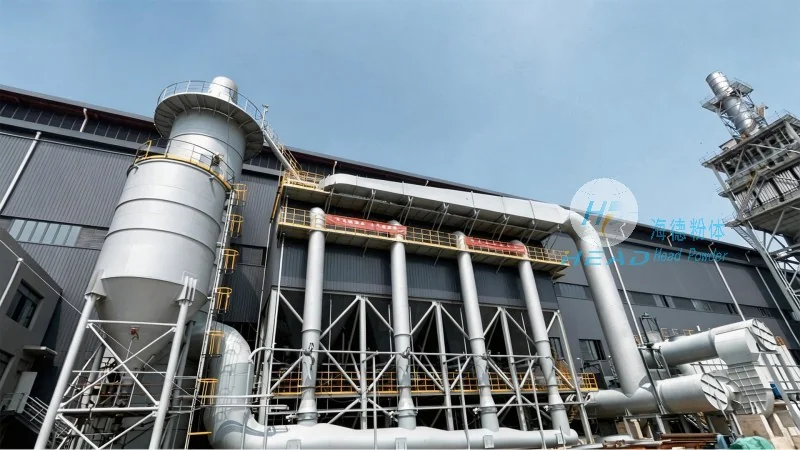
The effectiveness of a sand and gravel powder conveying system hinges on its key components, each playing a vital role in the overall operation. The feeding mechanism, often a hopper or a feeder, is responsible for regulating the flow of material into the system. This component ensures that the material is introduced at a consistent rate, preventing overloading or underloading of the conveying device. The conveying device, which can be a screw conveyor, pneumatic conveyor, or other types of transport equipment, is the heart of the system. It physically moves the material from the inlet to the outlet. The control system, which may include sensors, valves, and a control panel, monitors and adjusts the operation of the system to maintain optimal performance. This system ensures that the conveying process is safe, efficient, and adaptable to varying material conditions.
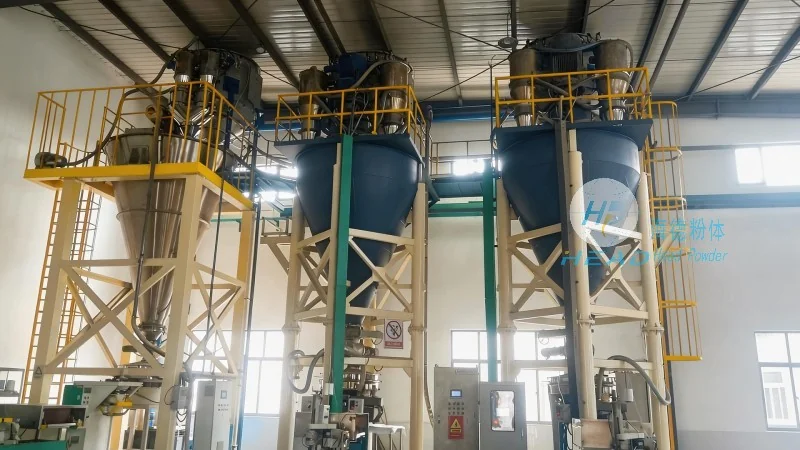
The design principles of a sand and gravel powder conveying system are centered on maximizing efficiency, minimizing material degradation, and ensuring operational safety. One of the primary considerations is the material's properties, such as particle size, moisture content, and flowability. These factors influence the choice of conveying method and equipment. For example, if the material is dry and free-flowing, a screw conveyor might be suitable, while a pneumatic conveyor could be preferred for wet or sticky powders. The system's design also takes into account the distance and elevation changes required for material transport. The layout and configuration of the system are optimized to minimize energy consumption and reduce wear and tear on components. Additionally, the system is designed with safety features, such as dust suppression and emergency stop mechanisms, to protect operators and the environment.
Sand and gravel powder conveying systems find extensive applications across various industrial sectors. In the construction industry, these systems are used to transport sand and gravel for concrete production, road construction, and other building projects. In mining operations, they help move ore and other fine materials from processing plants to storage or transportation points. The benefits of using such systems include improved productivity, reduced labor costs, and enhanced safety. By automating the material handling process, these systems minimize the risk of human error and accidents. Furthermore, they contribute to better material quality control by ensuring consistent flow and reducing segregation or contamination. The efficiency of these systems also leads to lower operational costs, as less energy is consumed and less maintenance is required over time.
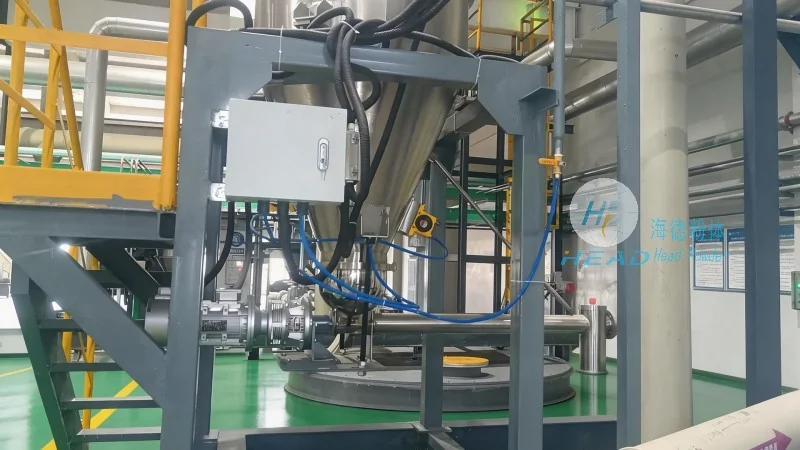
HeadPowder, a leading provider of engineering solutions, understands that each industrial application has unique requirements. Therefore, their sand and gravel powder conveying systems are designed with customization in mind. HeadPowder, or Shandong HeadPowder Engineering Co., Ltd., based in Shandong, China, offers tailored solutions that integrate seamlessly with existing industrial processes. Their expertise lies in designing systems that meet specific operational needs, whether it's for high-volume production or specialized material handling. The company's approach involves a thorough analysis of the client's requirements, followed by the development of a customized system that optimizes performance and reliability. This customization ensures that the system operates efficiently under the specific conditions of the industrial environment, providing long-term benefits and cost savings.

 Shandong Headpowder Engineering Co., Ltd.
 156-6277-7102(Manager Zhang)
  0531-83386006
  Zhangqiu District, Jinan City, Shandong Province, China
telephone
WeChatconsult
top