

Working Principle and Characteristics of Pneumatic Conveying for Graphite Electrode Powder
Understanding the pneumatic conveying of graphite electrode powder is crucial for industries that rely on efficient material handling solutions. This article delves into the working principles and key characteristics of such systems, highlighting how they enhance operational efficiency and product integrity.
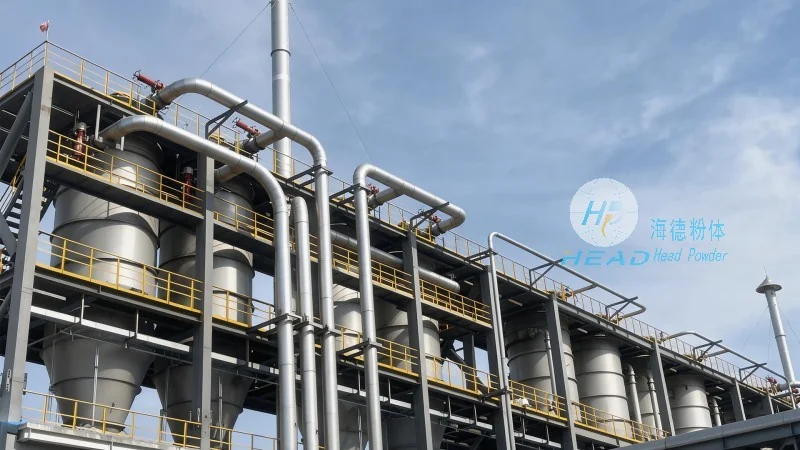
Introduction to Pneumatic Conveying Systems
Pneumatic conveying systems are widely used in the processing and transportation of fine powders like graphite electrode powder. These systems utilize air or gas to transport materials from one location to another, eliminating the need for mechanical components like belts or buckets. The technology is particularly beneficial for handling materials that are abrasive, dusty, or require a controlled environment to prevent contamination.
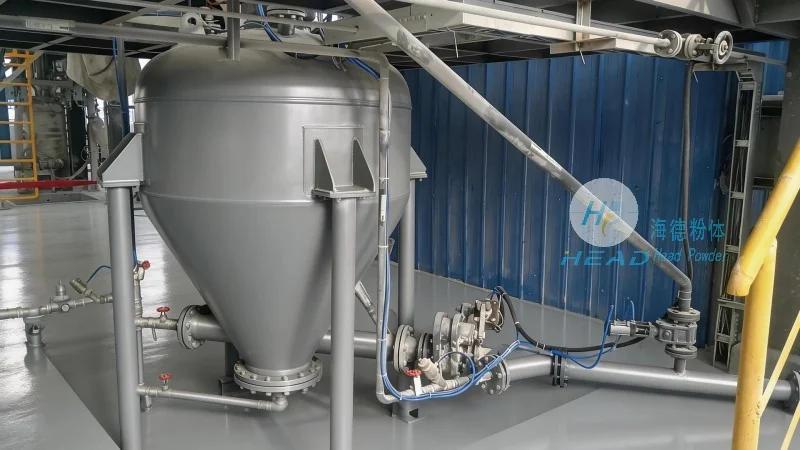
Working Principle of Pneumatic Conveying for Graphite Electrode Powder
The core mechanism of pneumatic conveying for graphite electrode powder involves several key steps. First, the powder is fed into a hopper or feeder, where it is then drawn into a pipeline by a vacuum or pressure source. The air flow, typically generated by a fan or blower, creates a flow that lifts and transports the powder particles through the system. The design of the pipeline, including bends, valves, and filters, is critical to maintain the flow rate and prevent particle deposition or blockages. The system ensures that the graphite powder is moved with minimal degradation, preserving its electrical and physical properties essential for electrode applications.
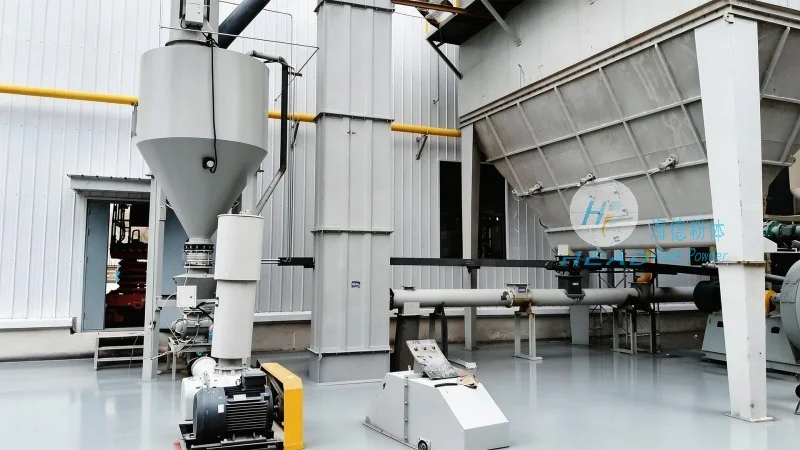
Key Characteristics of Pneumatic Conveying Systems
Several distinct characteristics make pneumatic conveying an ideal choice for graphite electrode powder handling:
- Efficiency and Speed: Pneumatic systems offer rapid material transport, reducing handling time and increasing overall production throughput. The ability to convey materials over long distances without intermediate storage points enhances operational flexibility.
- Product Integrity: Unlike mechanical systems that may cause abrasion or contamination, pneumatic conveying minimizes particle damage and prevents cross-contamination. This is vital for graphite electrode powder, where purity and particle size distribution directly impact the quality of the final electrode products.
- Flexibility and Scalability: These systems can be easily scaled to accommodate varying production volumes. They can be integrated with existing processing lines or expanded to meet future demand, providing long-term operational benefits.
- Low Maintenance: Compared to traditional bulk handling methods, pneumatic conveying systems require less maintenance due to the absence of moving parts in the conveying line. This reduces downtime and operational costs over the system's lifecycle.
Applications in Graphite Electrode Manufacturing
Pneumatic conveying plays a pivotal role in the manufacturing process of graphite electrodes. From raw material feeding to intermediate storage and final product loading, these systems ensure that graphite powder is handled with precision and care. The consistent flow and controlled environment help maintain the uniformity of the powder, which is essential for producing high-quality electrodes used in steelmaking and other industrial applications.
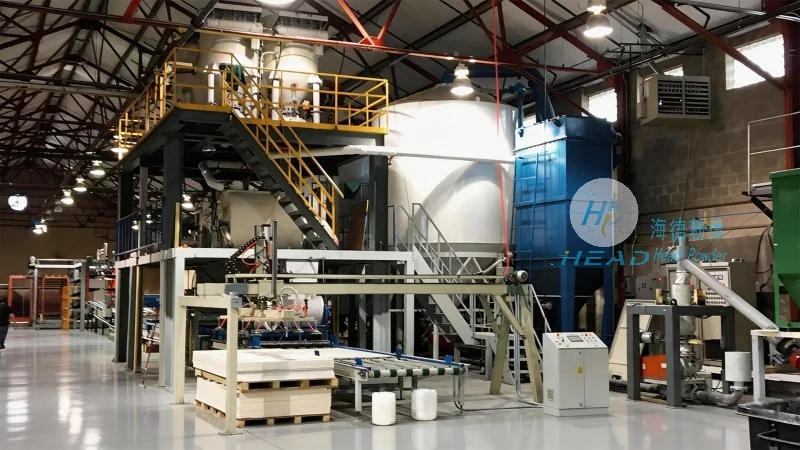
Conclusion and Company Overview
For industries seeking reliable and efficient solutions for handling graphite electrode powder, pneumatic conveying systems provide a superior alternative. The technology's ability to maintain product integrity, enhance operational efficiency, and offer flexibility makes it a cornerstone of modern material handling. Shandong HeadPowder Engineering Co., Ltd., a leading provider in this field, specializes in designing and manufacturing customized pneumatic conveying systems tailored to the specific needs of graphite electrode manufacturers. With a focus on quality and innovation, the company ensures that its solutions meet the highest industry standards, supporting clients in achieving optimal performance and productivity.