With more than 10‑year industry experience, Shandong Headpowder delivers full‑service pneumatic‑conveying systems and blowers, undertaking nationwide turn‑key powder‑handling projects.
Light calcium carbonate powder handling is a critical process in various industrial applications, particularly in the manufacturing of materials where fine powders are used. The efficient and safe transportation of this powder is essential for maintaining production efficiency and product quality. This article explores the fundamental aspects of light calcium carbonate powder handling, focusing on the key design principles that ensure effective and reliable operation.
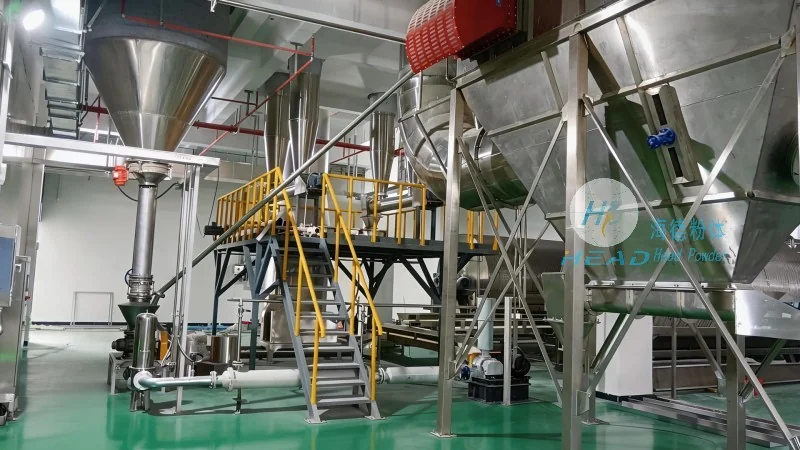
Light calcium carbonate, also known as precipitated calcium carbonate (PCC), is a widely used filler and extender in industries such as paper, plastics, coatings, and rubber. Its fine particle size and high purity make it an ideal component in many formulations. However, due to its powdery nature, handling and conveying this material requires specialized equipment and systems to prevent issues like dust generation, caking, and blockages. The primary goal of light calcium carbonate powder handling is to move the material from storage to processing units without compromising its quality or the safety of the operation.
The design of a light calcium carbonate powder handling system involves several critical principles that must be considered to ensure optimal performance. These principles include material flow control, equipment selection, and system integration. Each component of the system plays a vital role in maintaining the integrity of the powder and preventing operational disruptions.
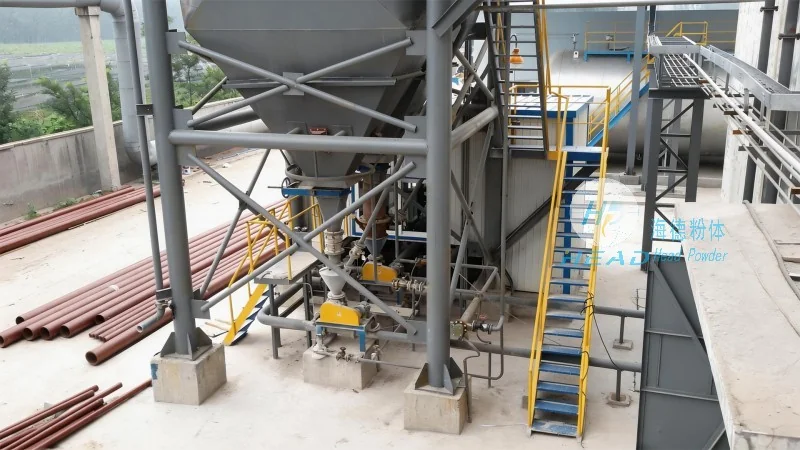
1. **Adequate Storage and Feeding Systems**: Proper storage is the first step in ensuring smooth powder handling. Silos or hoppers are commonly used to store light calcium carbonate, and they must be designed to prevent material degradation and caking. The feeding system, which transfers the powder from storage to the conveying equipment, must be equipped with appropriate valves and feeders to maintain consistent flow rates. This prevents overloading or underfeeding, which can lead to uneven material distribution and system inefficiencies.
2. **Conveying Methods**: The choice of conveying method is crucial in light calcium carbonate powder handling. Common methods include pneumatic conveying (air-assisted), mechanical conveying (such as screw conveyors or belt conveyors), and hydraulic conveying. Pneumatic conveying is often preferred for its ability to handle fine powders over long distances with minimal dust generation. However, it requires careful control of air pressure and flow rates to prevent material degradation or system blockages. Mechanical conveyors are suitable for shorter distances and bulkier materials but may generate more dust and require regular maintenance.
3. **Dust Control and Safety Measures**: Light calcium carbonate is a fine powder that can become airborne during handling, posing health and safety risks. Effective dust control systems, such as baghouses, cyclones, and venturi scrubbers, are essential to capture and remove dust particles from the air. Additionally, proper ventilation and personal protective equipment (PPE) must be implemented to protect workers from inhalation hazards. Safety measures also include regular maintenance of equipment to prevent leaks and ensure that all components are functioning correctly.
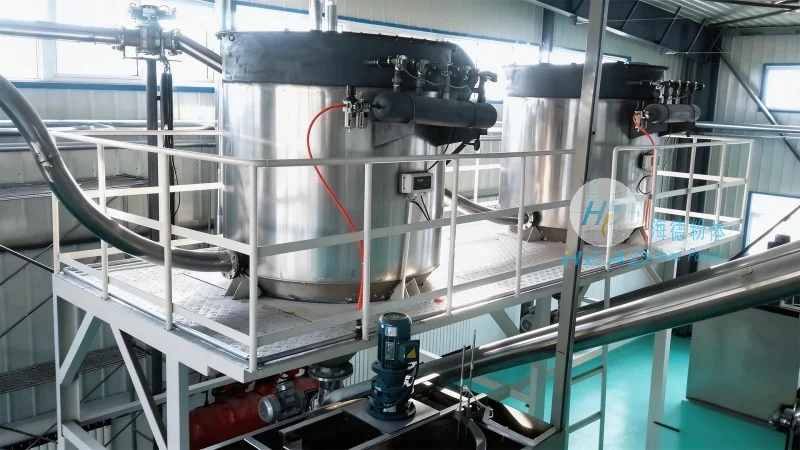
Effective light calcium carbonate powder handling systems are often integrated with other processing equipment, such as mixers, extruders, or granulators. The design of these integrated systems must ensure that the powder is transferred smoothly without causing equipment damage or product contamination. Regular maintenance is critical to maintaining the performance of the system. This includes cleaning equipment to prevent caking, inspecting conveyor belts or pipes for wear and tear, and checking the functionality of dust control systems. Proper maintenance schedules and trained personnel are essential to ensure the long-term reliability and efficiency of the powder handling system.
Light calcium carbonate powder handling is a complex process that requires careful consideration of design principles to ensure efficient and safe operation. By implementing proper storage, conveying methods, and dust control measures, industries can effectively manage light calcium carbonate while maintaining product quality and worker safety. The expertise of companies like Shandong HeadPowder Engineering Co., Ltd. in designing and implementing such systems is vital to meeting the demands of modern manufacturing.

 Shandong Headpowder Engineering Co., Ltd.
 156-6277-7102(Manager Zhang)
  0531-83386006
  Zhangqiu District, Jinan City, Shandong Province, China
telephone
WeChatconsult
top