With more than 10‑year industry experience, Shandong Headpowder delivers full‑service pneumatic‑conveying systems and blowers, undertaking nationwide turn‑key powder‑handling projects.
For industries dealing with sand, the efficiency and cleanliness of material handling are critical factors that directly impact production quality and operational costs. Traditional methods such as belt conveyors or bucket elevators often face challenges like dust generation, material degradation, and maintenance issues. In response to these challenges, pneumatic conveying technology has emerged as a superior solution, offering a clean, efficient, and reliable way to transport sand and other fine materials. This article delves into the principles, advantages, and practical applications of pneumatic conveying systems, highlighting how they enhance sand transport efficiency while maintaining a clean working environment.
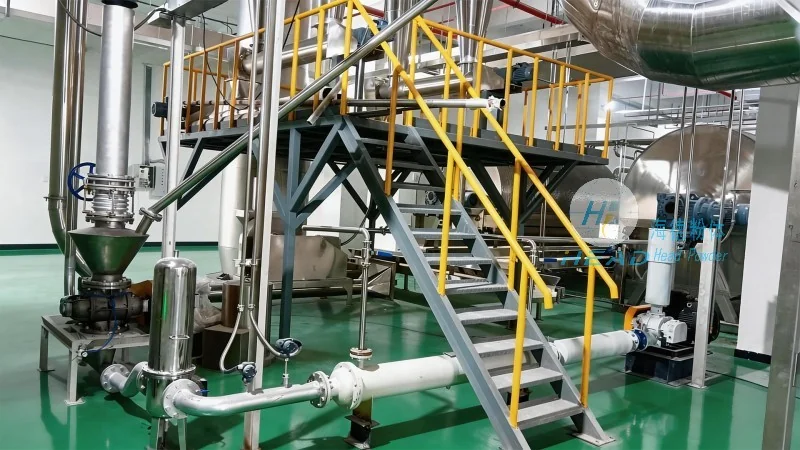
Pneumatic conveying systems operate by using air or gas to transport bulk materials through a pipeline network. The process typically involves a hopper where the sand is loaded, a blower or compressor that generates the air flow, and a series of pipes that guide the material from the source to the destination. There are two main types of pneumatic conveying: dilute phase and dense phase. Dilute phase systems use higher air velocities to move materials in a suspended state, suitable for short to medium distances and low to medium capacity applications. Dense phase systems, on the other hand, use lower air velocities and higher material concentrations, ideal for longer distances and higher capacity needs, often with better control over material flow and reduced degradation.
When applied to sand transport, pneumatic conveying offers several distinct advantages over conventional methods. Firstly, it eliminates the need for physical contact between the sand and machinery, reducing the risk of material contamination and wear. This is particularly important for high-purity applications where even minor impurities can affect product quality. Secondly, the enclosed system prevents dust from escaping into the environment, improving workplace safety and compliance with environmental regulations. Thirdly, pneumatic conveying systems can handle a wide range of sand types, from fine to coarse particles, with minimal degradation. The technology also allows for precise control over flow rates and pressure, enabling better integration with downstream processes such as mixing, blending, or packaging. Additionally, these systems are compact and can be easily integrated into existing production lines, reducing installation time and costs.
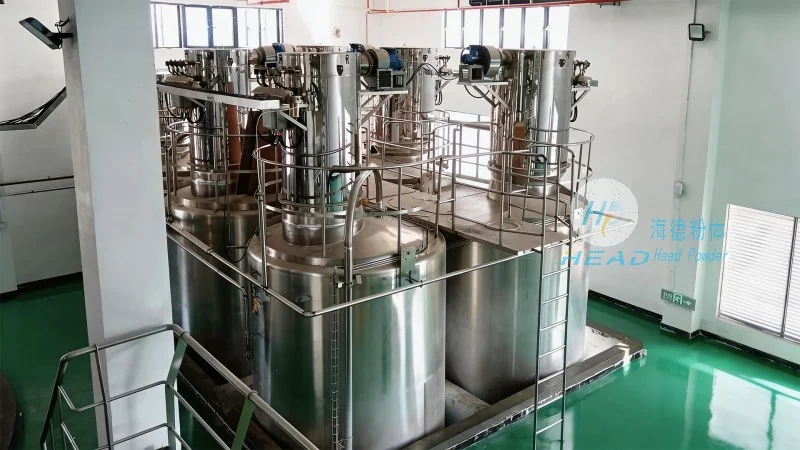
Shandong HeadPowder Engineering Co., Ltd., a leading provider of industrial material handling solutions, specializes in designing and manufacturing customized pneumatic conveying systems tailored to the specific needs of sand transport applications. With years of experience in the industry, HeadPowder has developed a deep understanding of the unique challenges faced by sand processing facilities, such as handling abrasive materials, managing dust, and ensuring consistent flow rates. The company's team of engineers and technicians work closely with clients to assess their operational requirements, material characteristics, and space constraints, then design a system that maximizes efficiency while minimizing downtime and maintenance.
HeadPowder offers a range of pneumatic conveying solutions suitable for various sand applications, including construction sand, foundry sand, and glass sand. For example, in construction projects, the company's systems can efficiently transport sand from storage silos to mixing stations, ensuring a consistent supply of material for concrete production. In foundry operations, pneumatic conveying helps move sand molds and cores with minimal contamination, improving the quality of castings. For glass manufacturing, the technology ensures that sand is delivered to the furnace in a clean and controlled manner, reducing the risk of impurities affecting the final product. Each system is designed with high-quality components, including durable pipes, efficient blowers, and advanced control systems, to ensure long-term reliability and performance.
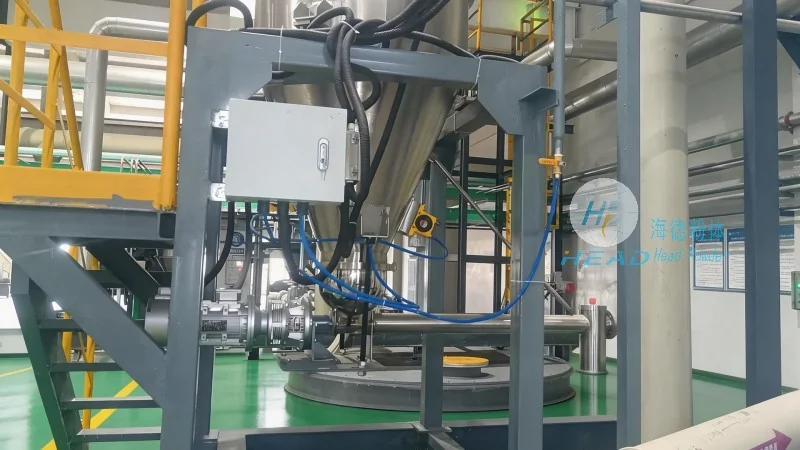
By adopting pneumatic conveying technology, sand processing facilities can significantly enhance their operational efficiency and sustainability. The clean and enclosed nature of the system reduces the need for dust control measures, such as air filtration systems, which can lower energy consumption and maintenance costs. Additionally, the precise control over material flow allows for better inventory management, reducing waste and optimizing resource usage. HeadPowder's systems are designed with sustainability in mind, using energy-efficient components and minimizing environmental impact. The company also provides comprehensive after-sales support, including maintenance services and technical assistance, to ensure that clients can maximize the lifespan and performance of their equipment.
Pneumatic conveying technology represents a significant advancement in the field of sand transport, offering a clean, efficient, and reliable solution that addresses the challenges of traditional methods. With its ability to handle diverse sand types, maintain material quality, and integrate seamlessly into production lines, this technology is becoming increasingly popular among industries that require high-purity and consistent material handling. Shandong HeadPowder Engineering Co., Ltd. continues to lead the way in providing innovative pneumatic conveying solutions, helping clients achieve higher efficiency, better quality, and sustainable operations. As the demand for clean and efficient material handling grows, pneumatic conveying is set to play a crucial role in the future of sand processing and related industries.

 Shandong Headpowder Engineering Co., Ltd.
 156-6277-7102(Manager Zhang)
  0531-83386006
  Zhangqiu District, Jinan City, Shandong Province, China
telephone
WeChatconsult
top