With more than 10‑year industry experience, Shandong Headpowder delivers full‑service pneumatic‑conveying systems and blowers, undertaking nationwide turn‑key powder‑handling projects.
A mobile pneumatic conveying system is a specialized industrial equipment designed to transport bulk materials over short to medium distances using compressed air or other gas as the conveying medium. Unlike fixed systems that are permanently installed, mobile systems offer flexibility and mobility, making them ideal for applications where material handling needs to be reconfigured or relocated frequently. This type of system is widely used in various industries, including food processing, pharmaceuticals, chemicals, and mining, to efficiently move powders, granules, and other dry bulk materials.
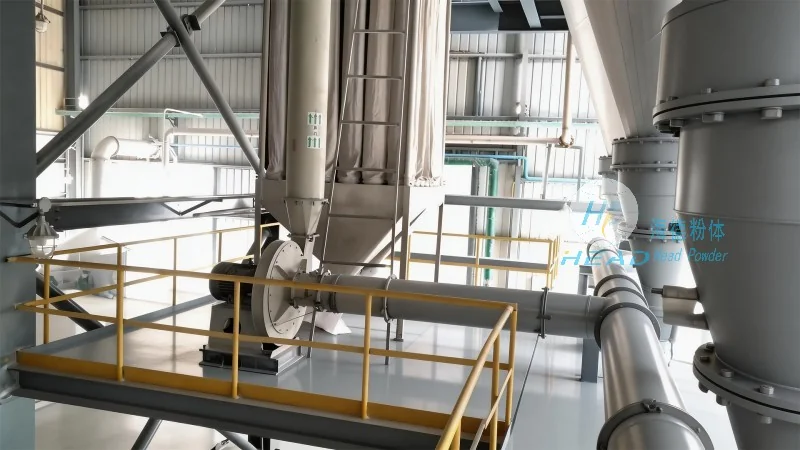
The design of a mobile pneumatic conveying system involves several critical components that work in tandem to ensure efficient material transport. The primary components include a hopper or feeder to store and meter the material, a conveying line (typically a flexible hose or rigid pipe), a blower or compressor to generate the air pressure, and a receiver or discharge unit to collect the conveyed material. In mobile systems, these components are often integrated into a compact, self-contained unit that can be easily moved to different locations as needed.
The operation of a mobile pneumatic conveying system is based on the principle of air movement. When the system is activated, the blower generates a high-pressure air stream that pulls or pushes the material from the hopper into the conveying line. The material is then carried through the line to the discharge point, where the air pressure is reduced, allowing the material to settle out. The air is then filtered and recycled back to the blower, creating a closed-loop system that minimizes waste and energy consumption. The flexibility of mobile systems allows for easy adaptation to different material types and process requirements, making them a versatile solution for diverse industrial applications.
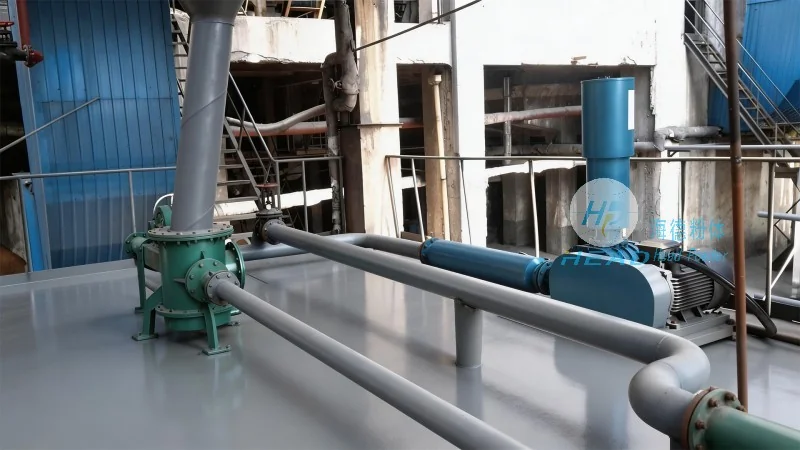
The design principles of a mobile pneumatic conveying system focus on maximizing efficiency, reliability, and adaptability. Key design considerations include the selection of appropriate air velocity to prevent material degradation or blockages, the use of corrosion-resistant materials to handle various chemical or abrasive materials, and the integration of safety features such as pressure relief valves and overheat protection. Additionally, the system's mobility is achieved through the use of wheeled bases or trailers, allowing for easy transportation and setup at different sites. The design also emphasizes ease of maintenance, with accessible components and modular construction that simplifies repairs and upgrades.
Mobile pneumatic conveying systems are particularly advantageous in applications where material handling needs to be flexible and scalable. For example, in food processing plants, they can be used to transport ingredients between different processing stages, while in pharmaceutical facilities, they ensure the safe and hygienic transfer of raw materials. The benefits of these systems include reduced labor costs due to automated material transport, minimized material loss and contamination, and the ability to quickly adapt to changes in production volume or layout. Furthermore, the mobility of the system allows for efficient use of space, as it can be deployed in areas where fixed infrastructure is not feasible or cost-effective.
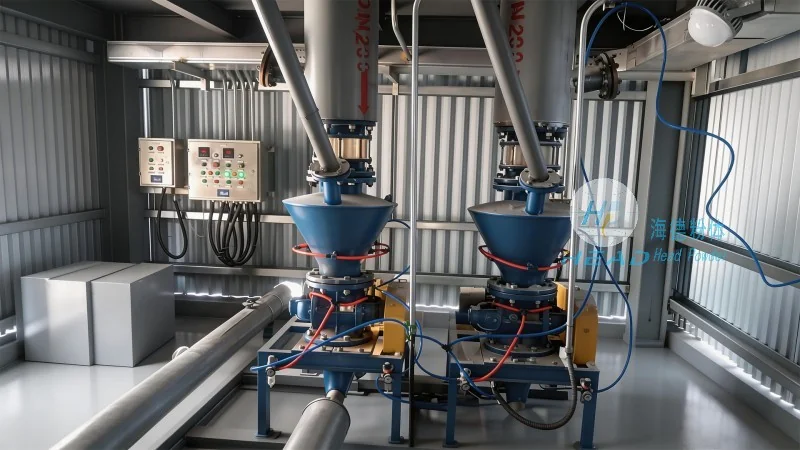
Shandong HeadPowder Engineering Co., Ltd., a prominent manufacturer based in China, specializes in the design, development, and production of high-quality mobile pneumatic conveying systems. With years of experience in the industry, HeadPowder has established itself as a trusted provider of reliable and efficient material handling solutions. The company's products are engineered to meet the specific needs of various industries, ensuring optimal performance and durability. HeadPowder's commitment to quality and innovation has made its mobile pneumatic conveying systems a preferred choice for businesses seeking flexible and effective solutions for their bulk material transport requirements.
In summary, a mobile pneumatic conveying system is a versatile and efficient solution for transporting bulk materials in industrial settings. Its design principles focus on flexibility, reliability, and adaptability, making it suitable for a wide range of applications. With the expertise of manufacturers like Shandong HeadPowder Engineering Co., Ltd., these systems can be tailored to meet specific operational requirements, ensuring optimal performance and cost-effectiveness. As industries continue to demand more efficient and flexible material handling solutions, mobile pneumatic conveying systems remain a critical component in modern industrial operations.

 Shandong Headpowder Engineering Co., Ltd.
 156-6277-7102(Manager Zhang)
  0531-83386006
  Zhangqiu District, Jinan City, Shandong Province, China
telephone
WeChatconsult
top