With more than 10‑year industry experience, Shandong Headpowder delivers full‑service pneumatic‑conveying systems and blowers, undertaking nationwide turn‑key powder‑handling projects.
Multi-point feeding pneumatic conveying systems represent a sophisticated solution in material handling, designed to efficiently transport bulk materials from multiple source points to a central processing or storage location. This technology is particularly valuable in industries where materials need to be moved over long distances or through complex layouts, offering a flexible and often more economical alternative to traditional mechanical conveying methods. Developed by Shandong HeadPowder Engineering Co., Ltd., a leading manufacturer in the field, these systems are engineered to meet the diverse needs of modern industrial applications.
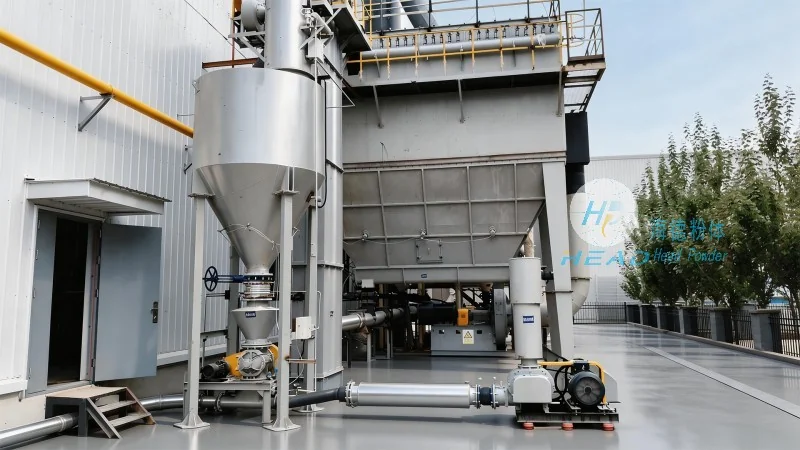
A multi-point feeding system utilizes a central air supply to draw material from several feeding points simultaneously. Each feeding point is equipped with a feeder, typically a rotary valve or a pressure feeder, which regulates the flow of material into the conveying line. The system's design allows for the integration of multiple feed sources, making it ideal for applications where materials are generated at various locations within a facility, such as in chemical plants, food processing facilities, or pharmaceutical manufacturing sites. The system is built to handle a wide range of materials, from fine powders to bulk solids, by adjusting air velocity and pressure to prevent material degradation or blockages.
The core design principle revolves around maintaining consistent air pressure and flow rates throughout the conveying line to ensure reliable material transport. Key components include a central blower or compressor that provides the necessary air pressure, a series of ducts or pipelines connecting the feeding points to the central processing unit, and control systems that manage the operation of individual feeders. The system is engineered to handle diverse materials by selecting appropriate feeder types for each source. For example, rotary valves are commonly used for free-flowing powders, while pressure feeders may be employed for cohesive or sticky materials. The ductwork is designed with smooth, non-clogging surfaces, often using materials like stainless steel or polyethylene, to minimize material buildup and ensure long-term operational efficiency. Additionally, the system incorporates safety features, such as pressure relief valves and dust collection systems, to protect both the equipment and the environment.
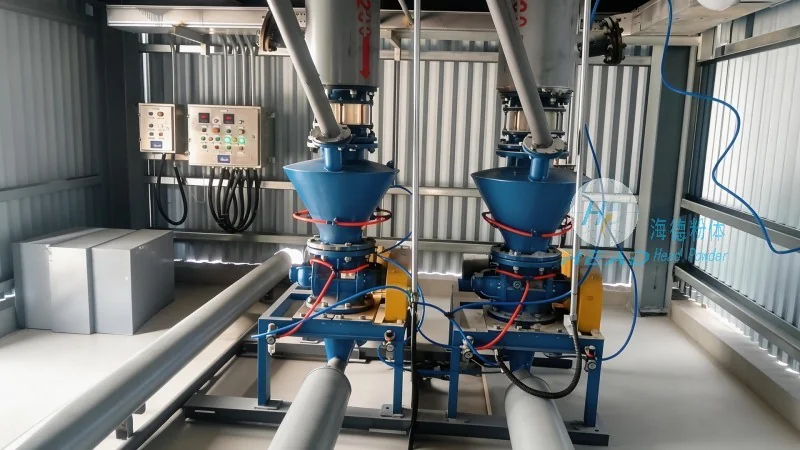
The multi-point feeding system consists of several essential components, each playing a vital role in the overall operation. The central air supply unit, typically a high-pressure blower or a positive displacement compressor, generates the air pressure required to move the material. This unit is often equipped with variable speed drives to adjust airflow as needed, allowing for dynamic control of the conveying process. The feeding points, or inlet hoppers, are strategically placed at the source locations and are connected to the main conveying line via short, direct ducts. Each inlet hopper is fitted with a feeder, which regulates the material flow into the system. The feeder may be a rotary valve, a vibratory feeder, or a pressure feeder, depending on the material characteristics and the required flow rate.
The conveying line itself is a network of pipes that transport the material from the feeding points to the discharge point, which is usually a central silo or a processing unit. The line is designed with appropriate bends and elbows to maintain the air flow and prevent turbulence, which could lead to material separation or blockages. The discharge point is equipped with a receiver or a silo that collects the conveyed material, and it may include a dust collection system to capture any airborne particles and ensure a clean working environment.
Multi-point feeding systems offer several advantages over traditional conveying methods. Firstly, they provide flexibility in material handling, allowing for the integration of multiple feed sources without the need for extensive reconfiguration of the system. This makes them suitable for dynamic production environments where material sources may change or expand over time. Secondly, they are energy-efficient, as the central air supply can be optimized to operate at the lowest possible pressure while still achieving the required conveying capacity. This reduces energy consumption and operating costs compared to systems that require separate blowers for each feeding point.
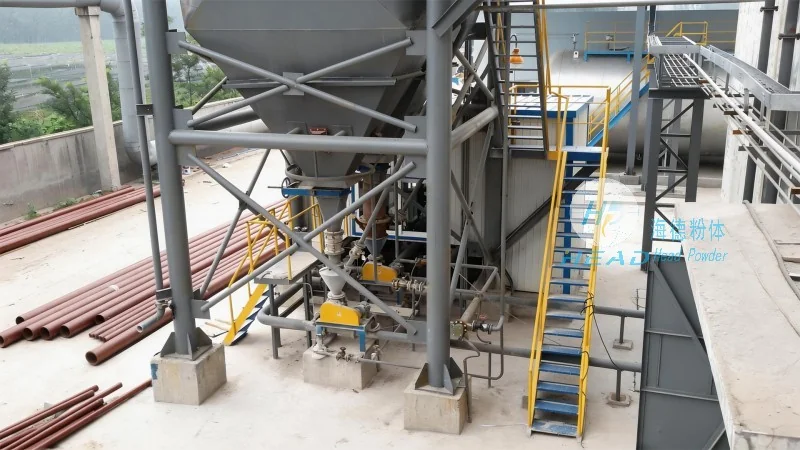
Another advantage is the ability to handle a wide variety of materials, including those that are sensitive to moisture or temperature changes. The enclosed conveying system prevents exposure to the environment, reducing the risk of contamination or degradation. Additionally, the system is relatively compact and can be installed in existing facilities with minimal disruption, making it a cost-effective solution for retrofitting or expanding material handling capabilities.
Multi-point feeding pneumatic conveying systems are widely used in various industries due to their versatility and efficiency. In the chemical industry, they are used to transport powders such as cement, limestone, and chemicals from multiple storage or production points to processing units. In the food and beverage industry, they handle ingredients like flour, sugar, and spices, ensuring that the materials are conveyed hygienically and without contamination. The pharmaceutical industry also benefits from these systems, as they can transport raw materials and finished products in a controlled environment, meeting stringent quality and safety standards.
In the agricultural sector, multi-point feeding systems are used to transport grain, feed, and other bulk materials from storage silos to processing equipment. The system's ability to handle large volumes of material efficiently makes it ideal for farms and grain elevators. Similarly, in the mining industry, they are used to transport ore and other minerals from various extraction points to processing plants, improving the overall productivity of mining operations.
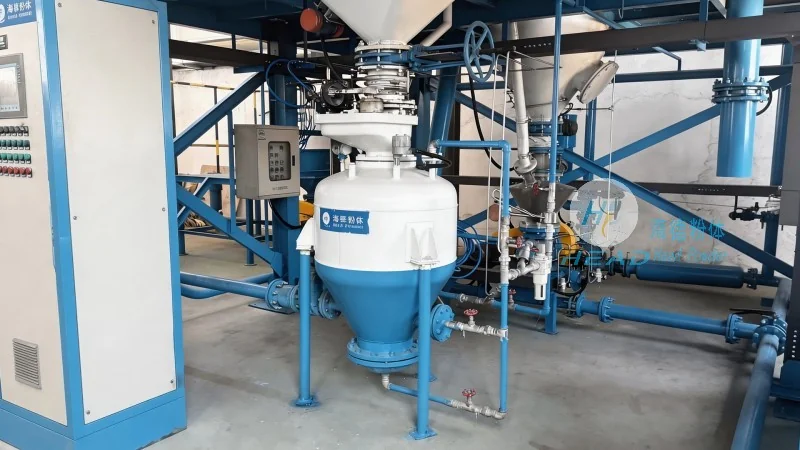
Proper installation and regular maintenance are crucial for the reliable operation of a multi-point feeding pneumatic conveying system. Installation involves careful planning of the ductwork layout to minimize pressure losses and ensure smooth material flow. The system should be installed with appropriate supports and clamps to prevent vibration and ensure stability. Regular maintenance includes checking the air supply unit for proper operation, inspecting the feeders for wear and tear, and cleaning the ductwork to prevent material buildup. Additionally, the system should be equipped with monitoring devices to detect any issues, such as pressure drops or air leaks, and alert operators to take corrective action.
By following these guidelines, users can ensure that their multi-point feeding pneumatic conveying system operates efficiently and reliably, maximizing its lifespan and minimizing downtime. The system's design and components are engineered to withstand the demands of various industrial applications, providing a durable and cost-effective solution for material handling needs. With headquarters in Shandong, China, Shandong HeadPowder Engineering Co., Ltd. continues to innovate and provide advanced material handling solutions to industries worldwide.

 Shandong Headpowder Engineering Co., Ltd.
 156-6277-7102(Manager Zhang)
  0531-83386006
  Zhangqiu District, Jinan City, Shandong Province, China
telephone
WeChatconsult
top