With more than 10‑year industry experience, Shandong Headpowder delivers full‑service pneumatic‑conveying systems and blowers, undertaking nationwide turn‑key powder‑handling projects.
At Shandong HeadPowder Engineering Co., Ltd., we specialize in advanced material handling solutions tailored for the petrochemical industry. One of the most critical and efficient methods for transporting bulk materials in this sector is pneumatic conveying. This technology involves the movement of powders, granules, or other particulate materials through a pipeline using a gas stream, typically air or other gases. Understanding the fundamentals of petrochemical pneumatic conveying is essential for optimizing processes, ensuring safety, and enhancing operational efficiency in industrial settings.
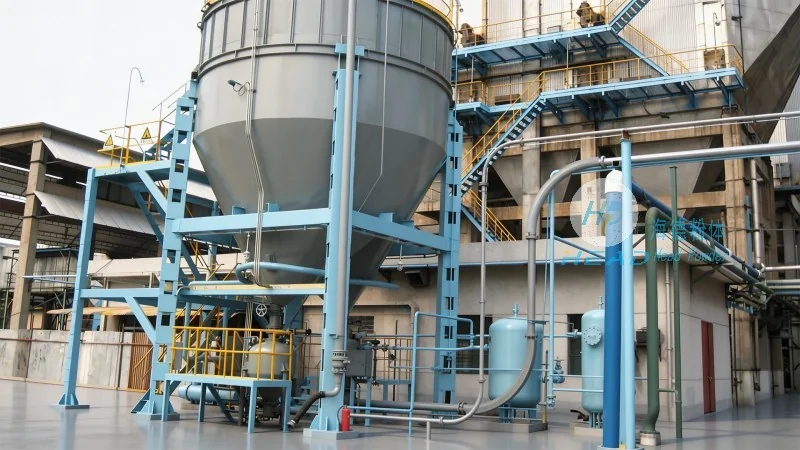
The design of a petrochemical pneumatic conveying system relies on several key components that work in concert to facilitate material transport. The primary elements include a material feed hopper, a conveying pipeline, a gas source (usually a blower or compressor), and a discharge device. The process begins with the material being fed into the hopper, where it is then drawn into the pipeline by the moving gas stream. The gas, under pressure, carries the particles through the system, ensuring they are transported to the desired destination. The design principles focus on maintaining the right balance between gas velocity and particle size to prevent blockages, ensure consistent flow, and minimize material degradation.
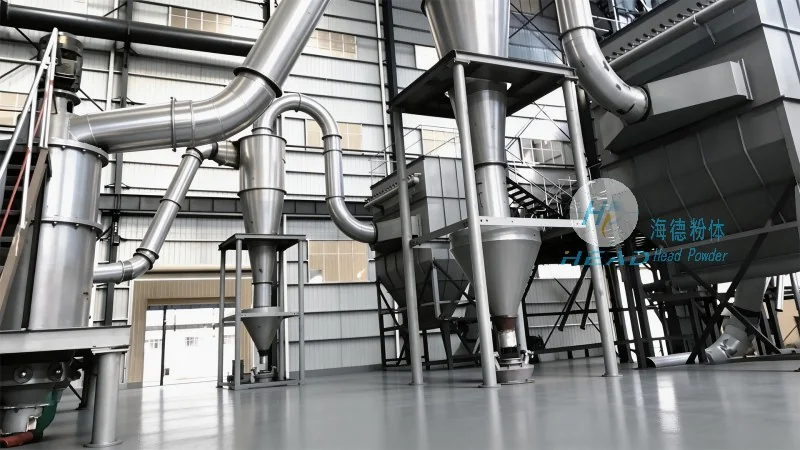
Efficient design of petrochemical pneumatic conveying systems requires careful consideration of several critical factors. First, the selection of the appropriate gas velocity is paramount. Too low a velocity can lead to material settling or blockages, while too high a velocity may cause excessive wear on equipment and energy waste. Engineers must calculate the minimum velocity required to keep particles suspended and flowing smoothly through the pipeline. Additionally, the pipeline diameter and length are crucial; larger diameters reduce friction losses but increase material residence time, while longer pipelines may require additional gas boosters to maintain pressure. The material's physical properties, such as particle size distribution, density, and moisture content, also influence the design, as these factors affect the gas-particle interaction and overall system performance. Proper system sizing and configuration are essential to achieve optimal conveying efficiency and minimize operational costs.
Petrochemical pneumatic conveying systems are widely used in various applications within the petrochemical sector, including the transport of raw materials like powders, granules, and slurries, as well as finished products. These systems offer several advantages over traditional methods like belt conveyors or bucket elevators. For instance, they provide a more hygienic and enclosed environment, reducing contamination risks and improving product quality. Additionally, pneumatic conveying systems are capable of handling a wide range of materials, from fine powders to coarse granules, and can operate in both positive and negative pressure modes, offering flexibility in system design. The ability to convey materials over long distances without the need for multiple transfer points also enhances operational efficiency and reduces downtime. Furthermore, these systems are relatively compact and can be integrated into existing industrial layouts, making them a cost-effective solution for many petrochemical facilities.
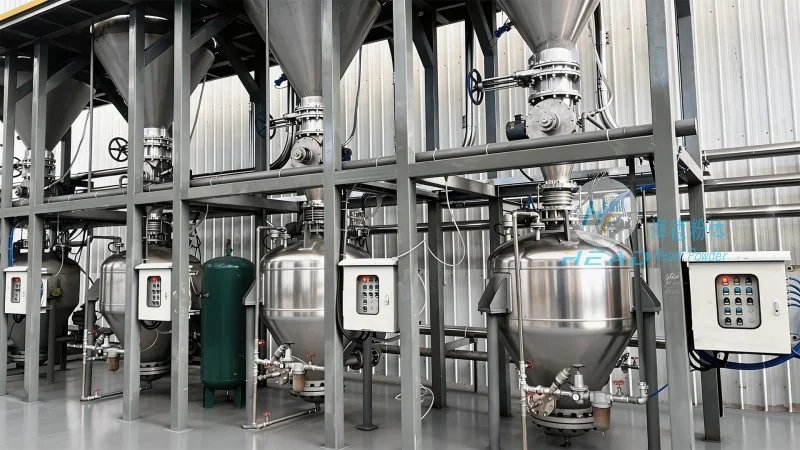
As a leading provider of engineering solutions for the material handling industry, Shandong HeadPowder Engineering Co., Ltd. has established itself as a trusted partner for companies seeking reliable and efficient pneumatic conveying systems. With a focus on innovation and customer-centric design, the company offers tailored solutions that meet the specific needs of the petrochemical industry. HeadPowder's expertise lies in the design, manufacturing, and installation of advanced pneumatic conveying systems, ensuring that clients receive products that are not only efficient but also safe and compliant with industry standards. The company's commitment to quality and customer satisfaction has earned it a reputation for excellence in the industry, making it a preferred choice for businesses looking to optimize their material handling processes.

 Shandong Headpowder Engineering Co., Ltd.
 156-6277-7102(Manager Zhang)
  0531-83386006
  Zhangqiu District, Jinan City, Shandong Province, China
telephone
WeChatconsult
top