

What is Ton Bag Pneumatic Conveying? And Its Design Principles
When it comes to material handling and transportation in industrial settings, pneumatic conveying systems offer efficient and flexible solutions. Among these, ton bag pneumatic conveying stands out as a robust method for moving bulk materials. This article explores what ton bag pneumatic conveying is and delves into its design principles, providing insights into how this technology operates and its practical applications.
Understanding Ton Bag Pneumatic Conveying
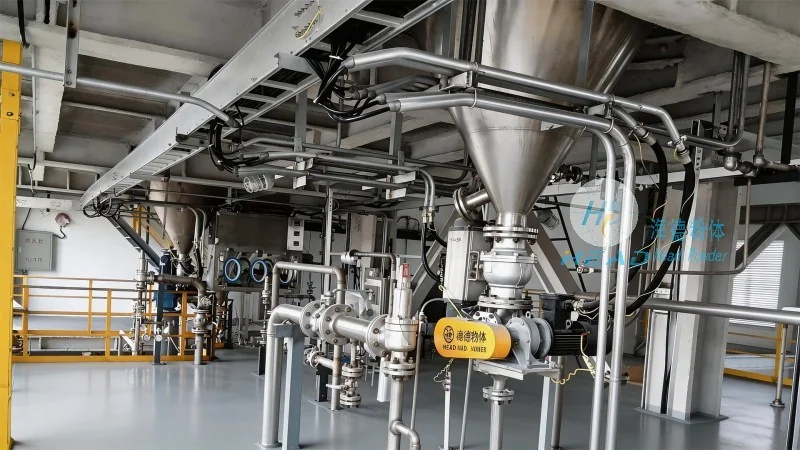
Ton bag pneumatic conveying is a type of pneumatic transport system designed to handle large quantities of bulk materials, typically in the form of ton bags or bulk bags. These systems use compressed air or other gases to move materials from a source to a destination, eliminating the need for mechanical components like conveyor belts or rollers. The process involves creating a pressure differential that propels the material through a pipeline, making it suitable for a wide range of industries, including food processing, pharmaceuticals, and construction.
Key Components of Ton Bag Pneumatic Conveying Systems
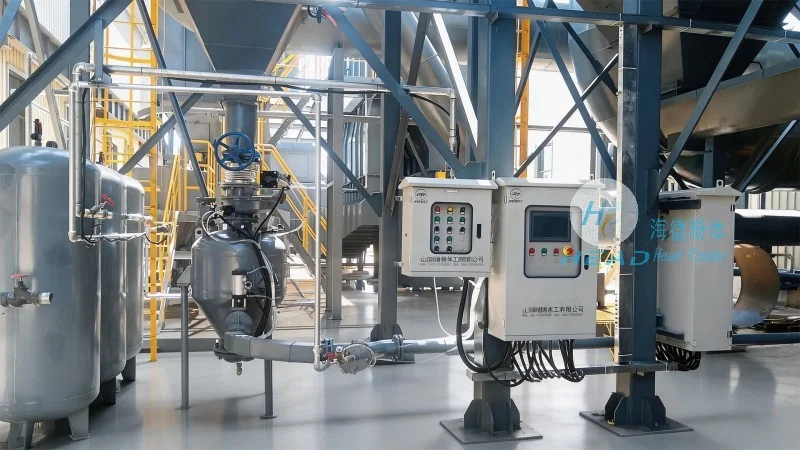
At the core of a ton bag pneumatic conveying system are several key components that work in tandem to ensure efficient material transport. The primary components include a hopper or feeder, which holds the bulk material; a blower or air compressor that generates the necessary air pressure; a pipeline network that transports the material; and a receiver or discharge unit where the material is collected. Each component plays a critical role in the overall performance and reliability of the system.
The Design Principles Behind Ton Bag Pneumatic Conveying
The design of ton bag pneumatic conveying systems is guided by several fundamental principles aimed at optimizing performance, minimizing energy consumption, and ensuring safety. One of the key principles is the selection of appropriate air velocity and pressure. The air velocity must be high enough to overcome the resistance of the material and the pipeline, but not so high as to cause excessive wear or damage to the equipment. The pressure differential is carefully calculated to ensure that the material is moved smoothly without clogging or blockages.
Material Handling and Flow Control
Effective ton bag pneumatic conveying relies on precise control of material flow and air pressure. The system must be designed to handle the specific characteristics of the material being transported, such as its density, particle size, and moisture content. For example, materials with high moisture content may require additional drying or conditioning to prevent clogging. Flow control devices, such as rotary valves or airlocks, are often integrated into the system to regulate the flow rate and prevent overloading.
Advantages of Ton Bag Pneumatic Conveying
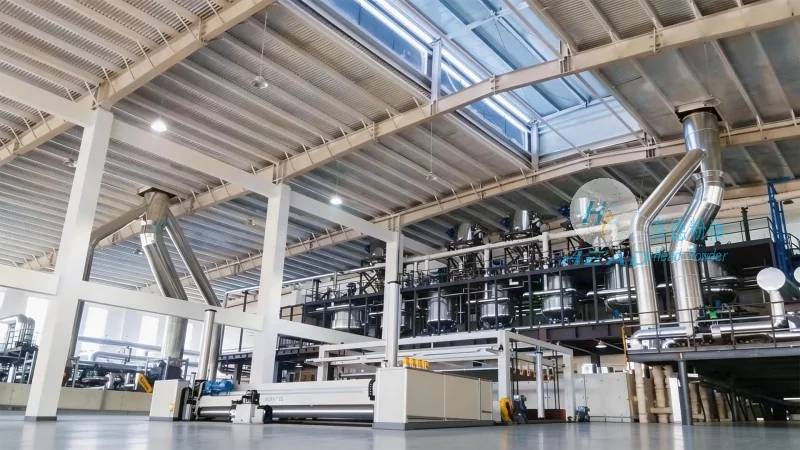
Compared to traditional mechanical conveying methods, ton bag pneumatic conveying offers several advantages. One of the most significant benefits is the ability to transport materials over long distances without the need for multiple transfer points. This reduces the risk of material contamination and improves overall efficiency. Additionally, the system is compact and can be installed in confined spaces, making it ideal for facilities with limited floor space. The lack of moving parts also reduces maintenance requirements and extends the lifespan of the equipment.
Applications in Various Industries
Ton bag pneumatic conveying is widely used across various industries due to its versatility and efficiency. In the food and beverage industry, it is used to transport ingredients like flour, sugar, and spices, ensuring that the materials remain clean and free from contamination. In the pharmaceutical industry, the system is employed to handle active pharmaceutical ingredients (APIs) and other sensitive materials, maintaining strict hygiene and quality standards. The construction industry also benefits from this technology, as it allows for the efficient transport of bulk materials like sand, gravel, and cement.
Customization and Scalability
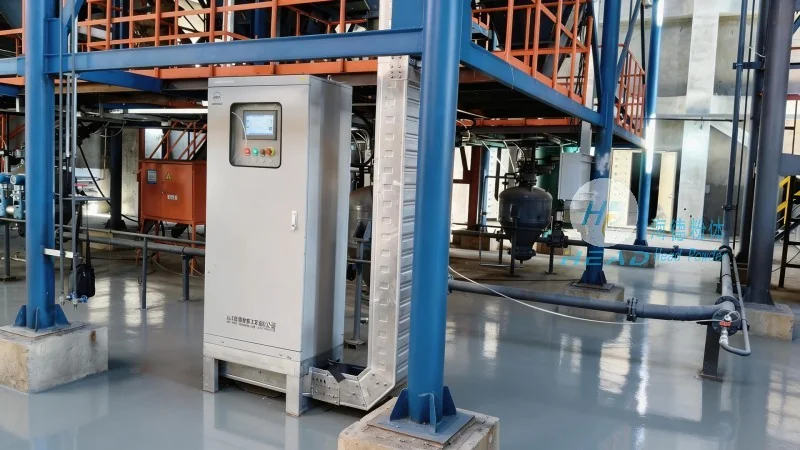
Shandong HeadPowder Engineering Co., Ltd., a leading provider of material handling solutions, specializes in designing and manufacturing ton bag pneumatic conveying systems tailored to the specific needs of each client. The company understands that every industrial application has unique requirements, and therefore, offers customized solutions that can be scaled to accommodate varying material volumes and operational demands. From small-scale systems for laboratory use to large-scale installations for industrial plants, HeadPowder provides comprehensive engineering services to ensure optimal performance and reliability.
Conclusion
Ton bag pneumatic conveying is a sophisticated and efficient method for bulk material transport, driven by well-defined design principles and advanced engineering. By understanding the key components and operational aspects of these systems, industries can leverage this technology to improve productivity, reduce costs, and enhance safety. As a trusted partner in material handling, Shandong HeadPowder Engineering Co., Ltd. continues to innovate and provide cutting-edge solutions that meet the evolving needs of modern industries.