With more than 10‑year industry experience, Shandong Headpowder delivers full‑service pneumatic‑conveying systems and blowers, undertaking nationwide turn‑key powder‑handling projects.
When it comes to efficiently transporting polyethylene materials, understanding the core structures of pneumatic conveying systems is crucial for optimizing industrial processes. These systems are designed to handle polyethylene powders or granules with precision, ensuring minimal material loss and consistent flow rates. The main polyethylene pneumatic conveying structures typically include vertical and horizontal conveying systems, as well as specialized configurations tailored to specific operational needs.
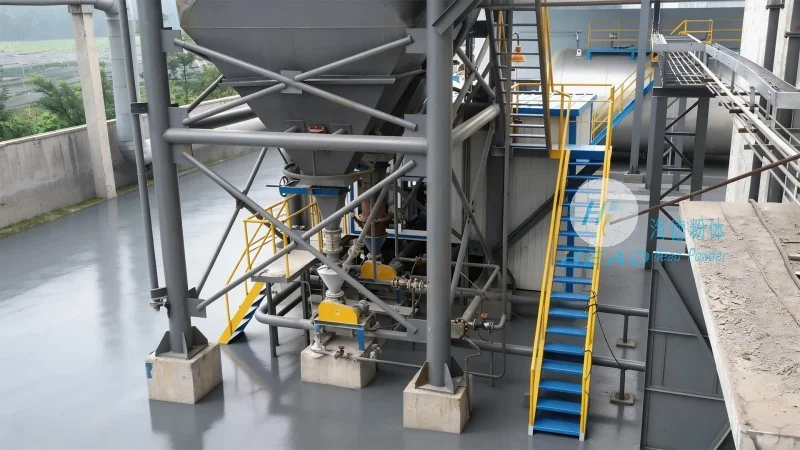
Vertical polyethylene pneumatic conveying systems are widely used in industries where vertical space is available and the need to elevate materials is required. These systems operate by using air pressure to lift polyethylene particles from a lower to a higher elevation. The key components of a vertical polyethylene pneumatic conveying structure include a hopper for material storage, an airlock feeder to control the flow of polyethylene, a vertical duct that transports the material, and a discharge point at the top. The design of these systems is critical for maintaining consistent air velocity and preventing material degradation. Vertical conveying is particularly effective for transporting polyethylene from silos or storage bins to processing equipment, ensuring a smooth and continuous supply of raw material.
Horizontal polyethylene pneumatic conveying systems are ideal for applications where the material needs to be moved horizontally over short to medium distances. These systems utilize a combination of positive and negative pressure to move polyethylene particles through a horizontal duct. The main components of a horizontal polyethylene pneumatic conveying structure consist of an inlet hopper, an airlock or rotary valve for material feeding, a horizontal duct with appropriate air velocity control, and an outlet for the conveyed material. Horizontal conveying is commonly used in manufacturing facilities to transport polyethylene from one processing unit to another, such as from a drying unit to a mixing machine. The design focuses on minimizing pressure drops and ensuring the polyethylene flows smoothly without clogging the duct.
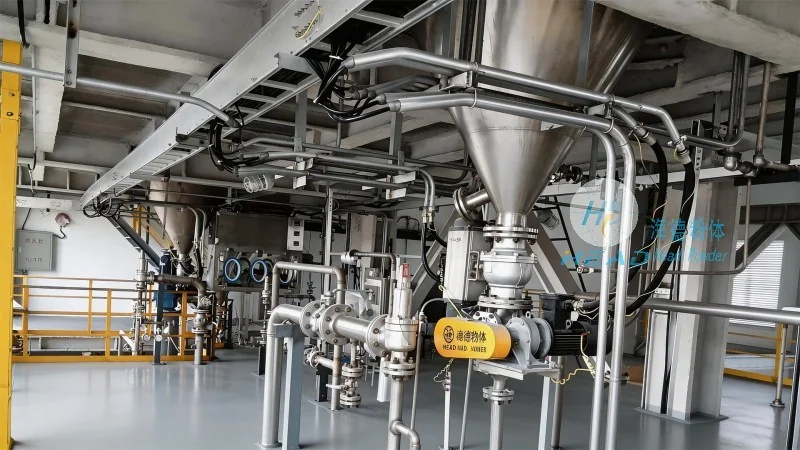
For industries that require the mixing or blending of different polyethylene grades or additives, specialized pneumatic conveying structures are employed. These systems often incorporate a mixing chamber or a blending unit within the conveying path. The polyethylene materials are introduced into the system at different points, and the air flow is controlled to achieve a uniform blend. The key components of a mixing pneumatic conveying structure include multiple inlet hoppers, a mixing chamber with agitators or baffles, and a discharge outlet. This type of system is essential for producing high-quality polyethylene products, as it ensures that the additives are evenly distributed throughout the material. The design must consider the specific properties of the polyethylene grades being blended, such as particle size and density, to maintain optimal mixing efficiency.
In addition to the standard vertical and horizontal systems, specialized polyethylene pneumatic conveying structures are developed for unique applications. For example, vacuum conveying systems are used for handling fine polyethylene powders that are sensitive to pressure changes. These systems operate by creating a vacuum to draw the material into the conveying line, which is then transported to the destination. Another specialized structure is the pressure conveying system, which uses compressed air to push the polyethylene particles through the duct. This method is effective for transporting larger polyethylene granules over longer distances. The choice between vacuum and pressure conveying depends on the specific characteristics of the polyethylene material and the operational requirements of the facility. Specialized structures also include flexible hose conveying systems, which are used for applications requiring flexibility in the conveying path, such as in mobile or temporary setups.
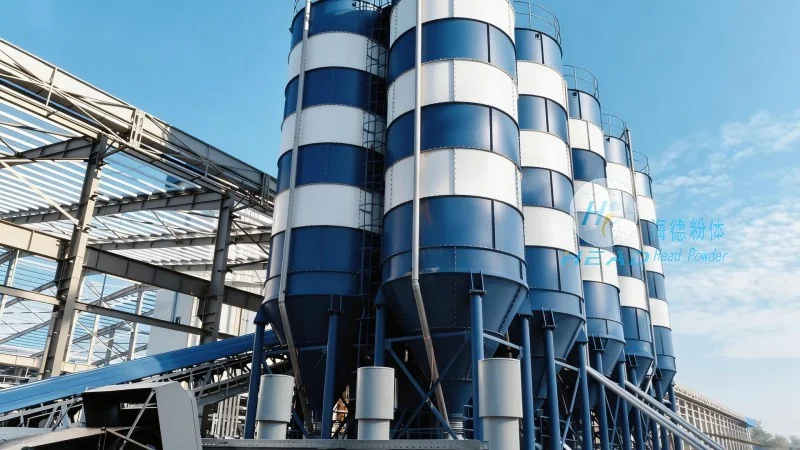
The effectiveness of polyethylene pneumatic conveying structures relies heavily on the quality and design of their components. Key components include air compressors or vacuum pumps, ductwork made from materials resistant to polyethylene, and control systems for regulating air pressure and flow. The ductwork is typically constructed from stainless steel or other corrosion-resistant materials to prevent damage from polyethylene particles. The airlock feeders and rotary valves are designed to handle polyethylene without causing blockages or material degradation. Control systems, such as pressure sensors and flow meters, are integrated to monitor and adjust the conveying process in real-time. Design considerations also include the size and shape of the polyethylene particles, as well as the moisture content, to ensure optimal performance. Proper maintenance of these components is essential to prevent system failures and maintain the efficiency of the polyethylene pneumatic conveying structure.
Polyethylene pneumatic conveying structures find wide applications across various industries. In the plastics manufacturing sector, these systems are used to transport polyethylene from storage to processing units, such as extruders or injection molding machines. In the chemical industry, they are employed to handle polyethylene additives and raw materials during production. The food and pharmaceutical industries also utilize these structures for transporting polyethylene-based packaging materials or additives. The versatility of polyethylene pneumatic conveying structures makes them suitable for a range of applications, from small-scale manufacturing to large-scale industrial operations. The ability to handle polyethylene efficiently and safely is critical in these industries, as it ensures consistent product quality and operational reliability.
Implementing polyethylene pneumatic conveying structures offers several advantages over traditional material handling methods. One of the primary benefits is the ability to transport polyethylene materials in a closed system, which minimizes dust emissions and environmental contamination. This is particularly important for polyethylene powders, which can be fine and easily airborne. Closed systems also help maintain the quality of the polyethylene by preventing exposure to moisture or contaminants. Another advantage is the high efficiency in material transfer, as pneumatic conveying can move polyethylene over long distances with minimal energy consumption compared to other methods like belt conveyors. The systems are also flexible, allowing for easy integration into existing production lines and modifications to accommodate changing operational needs. Additionally, polyethylene pneumatic conveying structures are relatively low in maintenance, as they have fewer moving parts compared to mechanical conveyors, reducing downtime and operational costs.
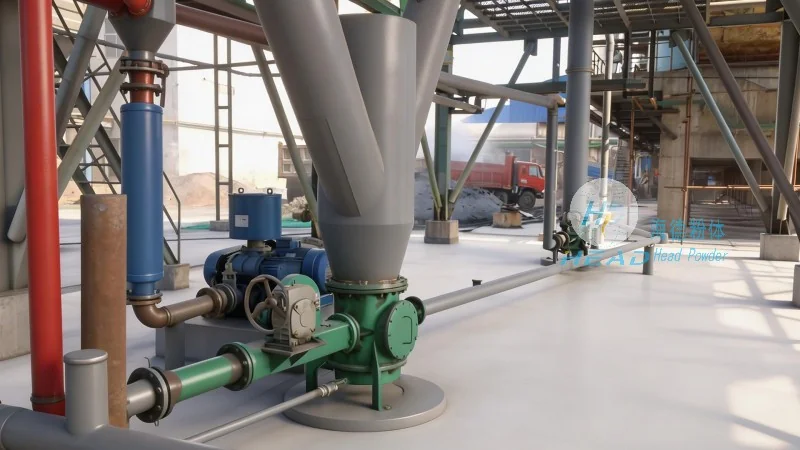
While polyethylene pneumatic conveying structures offer numerous benefits, they also present some challenges that need to be addressed. One common challenge is the potential for material clogging in the ductwork, especially with fine polyethylene powders. This can be mitigated by using appropriate air velocity and maintaining the design of the duct to prevent particle accumulation. Another challenge is the need for proper air filtration to prevent dust buildup in the system and ensure compliance with environmental regulations. Regular maintenance and cleaning of the air filters are essential to maintain system performance. Additionally, the selection of the right air compressor or vacuum pump is critical to ensure sufficient air pressure or vacuum to transport the polyethylene effectively. The choice of components, such as the type of airlock feeder, must be tailored to the specific characteristics of the polyethylene material to avoid issues like blockages or material degradation. By addressing these challenges through proper design and maintenance, the efficiency and reliability of polyethylene pneumatic conveying structures can be maximized.
In conclusion, the main polyethylene pneumatic conveying structures play a vital role in modern industrial operations, enabling efficient and safe transportation of polyethylene materials. Vertical and horizontal systems are the most common configurations, while specialized structures like mixing and vacuum conveying cater to specific operational needs. The effectiveness of these systems depends on the quality of their components, proper design considerations, and regular maintenance. By understanding the key structures and their applications, industries can optimize their material handling processes, improve product quality, and reduce operational costs. As the demand for polyethylene continues to grow, the importance of reliable pneumatic conveying structures will only increase, making them an essential component of industrial material handling solutions.

 Shandong Headpowder Engineering Co., Ltd.
 156-6277-7102(Manager Zhang)
  0531-83386006
  Zhangqiu District, Jinan City, Shandong Province, China
telephone
WeChatconsult
top