With more than 10‑year industry experience, Shandong Headpowder delivers full‑service pneumatic‑conveying systems and blowers, undertaking nationwide turn‑key powder‑handling projects.
Pea pneumatic conveying systems are critical in the agricultural and food processing industries for efficiently transporting pea products from one location to another. The effectiveness of these systems largely depends on their structural components, each playing a vital role in ensuring smooth and reliable operation. Understanding the key structures of a pea pneumatic conveying system is essential for optimizing performance and maintaining product quality.
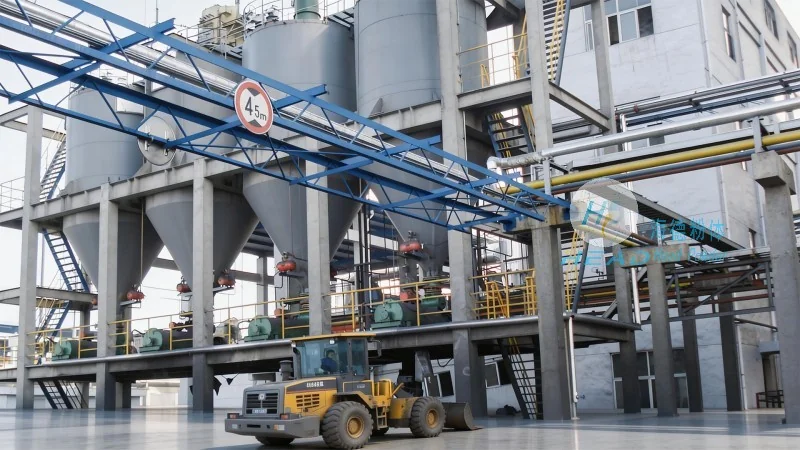
The primary structure of a pea pneumatic conveying system typically includes several interconnected parts designed to handle the unique characteristics of pea grains. These components work together to facilitate the movement of peas through the system with minimal loss and maximum efficiency. The main structural elements are as follows:
The material feeding system is the initial component that introduces peas into the pneumatic conveying process. This system is responsible for accurately and consistently feeding pea material into the conveying line. Common feeding mechanisms include screw feeders, rotary valves, and hopper feeders. The feeding system must be designed to handle the bulk density and flow characteristics of peas, ensuring a steady supply of material without blockages or overloading the downstream components. The material feeding system is crucial for maintaining the system's throughput and preventing system downtime due to improper feeding.
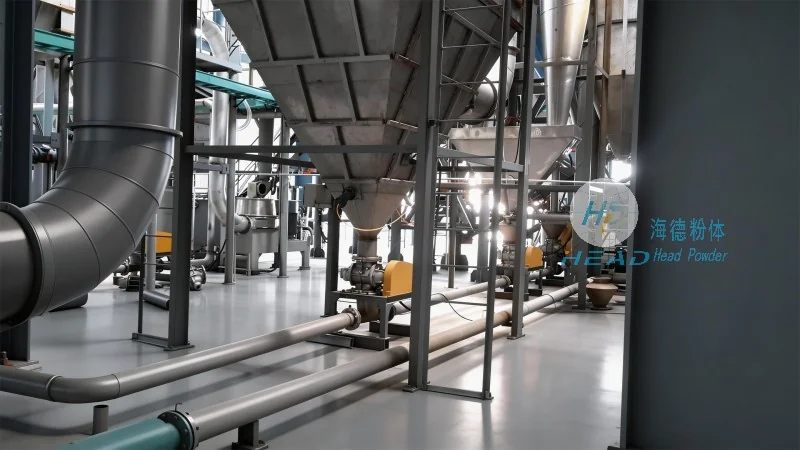
The conveying pipeline is the backbone of the pneumatic conveying system, responsible for transporting peas through the system under pressure. The pipeline is typically made of materials such as stainless steel, aluminum, or plastic, depending on the specific requirements of the application. The design of the pipeline, including its diameter, length, and layout, directly impacts the system's efficiency and energy consumption. Proper pipeline design minimizes pressure drop and ensures that peas are conveyed at the desired velocity without excessive wear or damage to the peas. The pipeline may include bends, elbows, and other fittings that are carefully engineered to maintain the flow of peas and prevent clogging or separation of the material.
The air supply and control system provides the necessary air pressure and flow to move peas through the conveying pipeline. This system typically includes a blower or compressor, air filters, and control valves. The blower generates the required air pressure, while the control system regulates the air flow to match the feeding rate and conveying requirements. The air supply system must be capable of delivering a consistent and sufficient volume of air to maintain the desired conveying velocity. Proper air control is essential for optimizing energy consumption and preventing excessive air usage, which can increase operational costs. The air supply system also includes safety features to prevent overpressure and ensure safe operation.
The separation and collection equipment is responsible for separating peas from the conveying air and collecting the material at the destination. This system typically includes cyclone separators, bag filters, and dust collectors. The cyclone separator uses centrifugal force to separate peas from the air, while the bag filter captures fine particles and dust. The collected peas are then discharged into a storage bin or container. The separation equipment is critical for maintaining product quality and ensuring that the conveying system operates without excessive dust or particle loss. Proper maintenance of the separation equipment is essential to prevent clogging and ensure efficient operation.
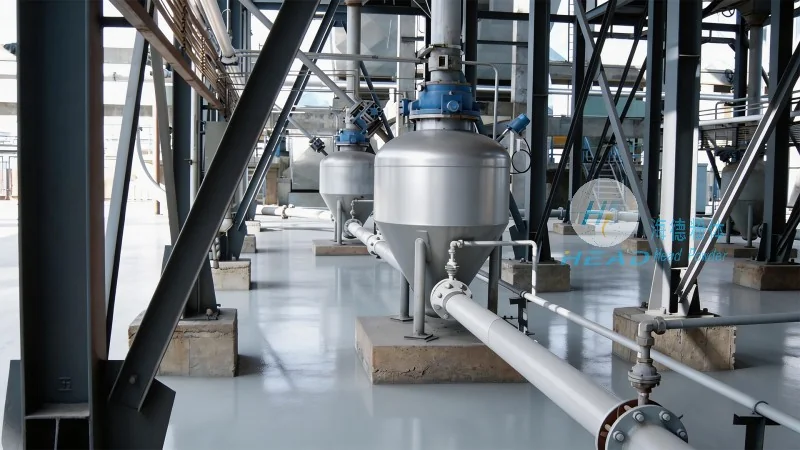
The control and monitoring system manages the operation of the pneumatic conveying system, ensuring that all components are functioning correctly and efficiently. This system typically includes sensors, controllers, and a user interface for monitoring and adjusting system parameters. The control system can adjust the air flow, feeding rate, and other variables to optimize the conveying process. It also provides alerts and notifications for any issues or abnormalities in the system, allowing for timely maintenance and troubleshooting. The control and monitoring system is essential for maintaining the system's performance and preventing downtime due to system failures or inefficiencies.
Shandong HeadPowder Engineering Co., Ltd., operating under the brand name headpowder, is a leading manufacturer of pneumatic conveying systems for the agricultural and food processing industries. With a focus on quality and innovation, the company provides comprehensive solutions for pea and other grain transportation. Headpowder's expertise in pneumatic conveying technology ensures that their systems are designed to meet the specific needs of their clients, offering reliable and efficient solutions for pea handling. The company is committed to providing high-quality products and services, backed by a team of experienced engineers and technicians who are dedicated to customer satisfaction. Headpowder's facilities are located in Shandong, China, where they manufacture and test their systems to ensure compliance with industry standards and customer requirements.

 Shandong Headpowder Engineering Co., Ltd.
 156-6277-7102(Manager Zhang)
  0531-83386006
  Zhangqiu District, Jinan City, Shandong Province, China
telephone
WeChatconsult
top