With more than 10‑year industry experience, Shandong Headpowder delivers full‑service pneumatic‑conveying systems and blowers, undertaking nationwide turn‑key powder‑handling projects.
For industrial facilities dealing with fly ash, efficient and reliable material handling is crucial. This article provides an in-depth classification and application analysis of fly ash pneumatic conveying systems, highlighting the key aspects that make them essential for modern waste management and material transport solutions. As a leading manufacturer in the field, Shandong HeadPowder Engineering Co., Ltd. specializes in designing and supplying customized pneumatic conveying systems tailored to the unique requirements of each client.
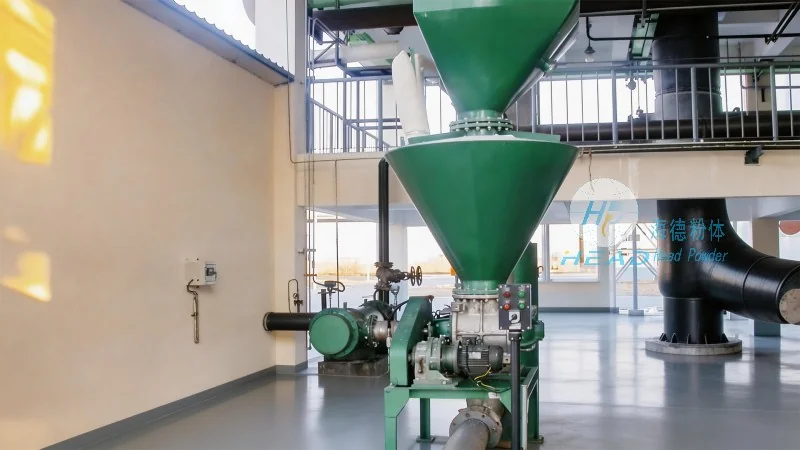
Fly ash, a byproduct of coal combustion in power plants, requires specialized handling systems to ensure safe and efficient transport. Pneumatic conveying systems offer a versatile solution for moving fly ash from storage silos to processing units or disposal sites. These systems utilize air pressure to transport particulate materials, eliminating the need for mechanical components like conveyors or buckets that might cause contamination or wear. The technology is particularly effective for handling fine, dry materials like fly ash, which are prone to dusting and require a closed system to maintain air quality and prevent environmental contamination.
The core components of a fly ash pneumatic conveying system include the hopper, feeder, air compressor, conveying pipe, and receiver. The hopper stores the fly ash, while the feeder controls the flow rate to maintain consistent pressure in the system. The air compressor generates the necessary air pressure to move the material through the pipeline. The conveying pipe, often made of stainless steel or other corrosion-resistant materials, ensures the fly ash is transported without degradation. Finally, the receiver collects the fly ash at the destination point. Each component is designed to work in harmony, ensuring smooth and continuous operation of the system.
Based on the operating principle and pressure levels, fly ash pneumatic conveying systems are typically classified into two main categories: positive pressure and negative pressure systems. The choice between these systems depends on the specific application requirements, including distance, capacity, and environmental considerations.
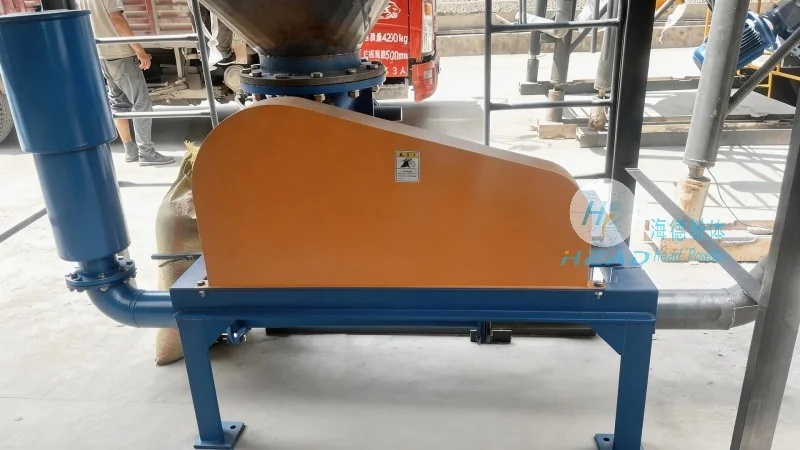
Positive pressure systems, also known as pressure conveying systems, operate by forcing air and material through the pipeline using a positive pressure at the discharge end. A blower or compressor at the inlet pushes the material forward, maintaining a consistent pressure throughout the system. This method is ideal for long-distance transport and high-capacity applications, as it can handle large volumes of material without significant pressure loss. Positive pressure systems are commonly used in power plants and large-scale industrial facilities where the transport distance exceeds several hundred meters.
Negative pressure systems, or vacuum conveying systems, operate by creating a vacuum at the inlet, drawing the material and air into the pipeline. A fan or vacuum pump at the receiver end generates the vacuum, which pulls the material from the hopper. This method is suitable for short-distance transport and for applications where dust containment is critical, such as in indoor or enclosed environments. Negative pressure systems are often preferred in settings where minimizing dust emissions is a priority, as the vacuum helps to capture and contain particulate matter.
The application of fly ash pneumatic conveying systems varies based on the specific requirements of the industrial process. In power plants, these systems are commonly used to transfer fly ash from the boiler to storage silos or to transport it to other facilities for utilization or disposal. The systems are also used in cement plants, where fly ash is a valuable additive in cement production, requiring precise and controlled transport to maintain the quality of the final product. The ability to handle fine particulate materials without degradation makes these systems ideal for cement manufacturing, as the quality of the cement is directly affected by the uniformity of the fly ash addition.
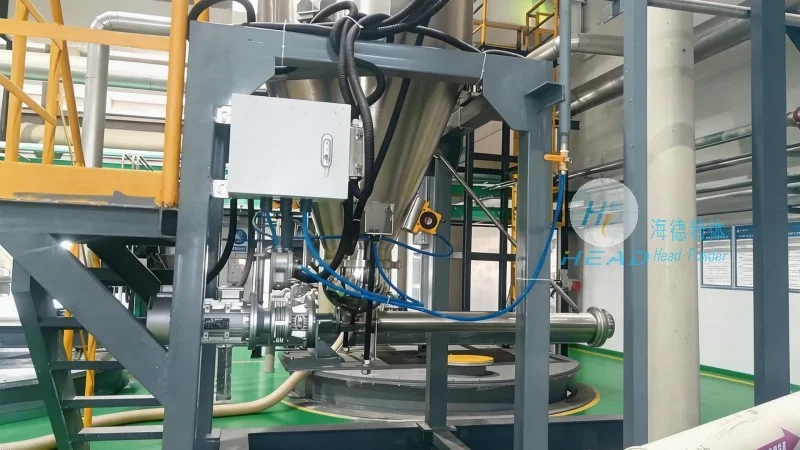
In waste management facilities, pneumatic conveying systems help in the efficient collection and transport of fly ash from various sources, such as incinerators or industrial processes. The systems ensure that the material is handled in a dust-free environment, reducing the risk of environmental contamination and improving worker safety. For example, in municipal waste incineration plants, the fly ash generated from burning waste is collected and transported to disposal sites or recycling facilities using pneumatic conveying systems, which minimize the spread of harmful particulates.
One of the primary advantages of fly ash pneumatic conveying systems is their ability to handle fine particulate materials like fly ash without causing blockages or degradation. The systems are also highly flexible, allowing for changes in the transport route or capacity without major modifications. Additionally, these systems are relatively low maintenance compared to mechanical conveyors, as they have fewer moving parts and are less prone to wear and tear. This reduces downtime and maintenance costs, making them a cost-effective solution for long-term operation.
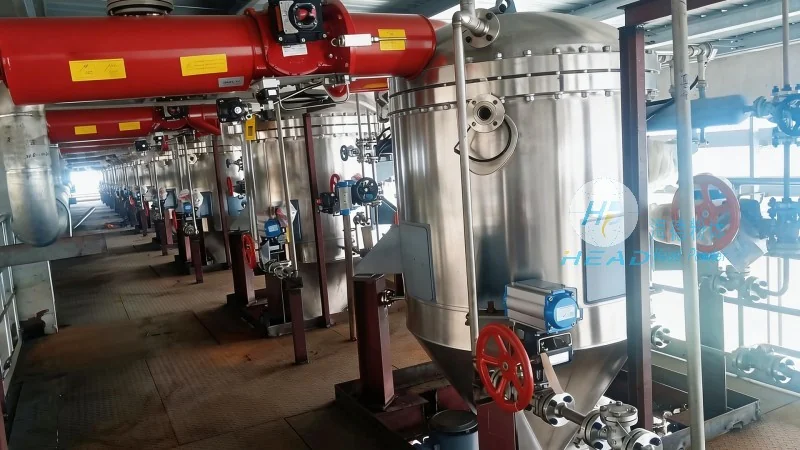
Another significant advantage is the environmental benefit. Pneumatic conveying systems operate in a closed loop, minimizing dust emissions and preventing the spread of particulate matter into the environment. This is particularly important for fly ash, which can be a source of air pollution if not handled properly. The closed system design ensures that all material is contained within the pipeline, reducing the risk of dust exposure to workers and the surrounding environment.
Furthermore, the systems offer improved safety compared to mechanical conveyors, which may have exposed moving parts that pose a risk to workers. The pneumatic system eliminates the need for direct contact with the material, reducing the risk of injury and improving overall workplace safety. This is a critical consideration in industrial settings where worker safety is a top priority.
When selecting a fly ash pneumatic conveying system, several factors must be considered to ensure optimal performance and efficiency. The first consideration is the distance and capacity required for the transport. For long distances and high capacities, positive pressure systems are often preferred, as they can maintain consistent pressure and flow rates over extended distances. For short distances or when dust containment is a priority, negative pressure systems may be more suitable.

 Shandong Headpowder Engineering Co., Ltd.
 156-6277-7102(Manager Zhang)
  0531-83386006
  Zhangqiu District, Jinan City, Shandong Province, China
telephone
WeChatconsult
top