With more than 10‑year industry experience, Shandong Headpowder delivers full‑service pneumatic‑conveying systems and blowers, undertaking nationwide turn‑key powder‑handling projects.
Magnesium hydroxide is a widely used chemical compound in various industrial applications, including fire retardants, pharmaceuticals, and water treatment. The efficient and safe transportation of this material from production sites to processing or packaging facilities is crucial for maintaining production efficiency and product quality. Pneumatic conveying technology offers a solution by using air to transport bulk materials, eliminating the need for traditional mechanical conveyors and reducing material handling risks. This article provides an in-depth analysis of the two primary pneumatic conveying modes—positive pressure and negative pressure—and compares their applications in the context of magnesium hydroxide handling.
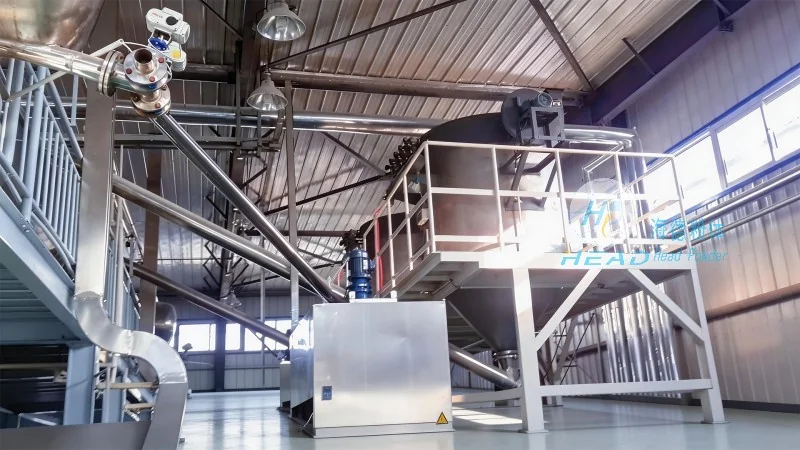
Pneumatic conveying systems rely on the movement of air to transport solid materials. The two main modes are positive pressure (or pressure) and negative pressure (or vacuum) systems. Each mode has distinct characteristics that make it suitable for different material properties and operational requirements.
Positive pressure systems operate by blowing air into the conveying line, creating a pressure higher than the ambient air pressure. This method is effective for transporting materials that are free-flowing and non-abrasive, such as magnesium hydroxide. The high pressure ensures that the material is pushed through the pipeline, reducing the risk of blockages and ensuring consistent flow rates. Positive pressure systems are typically used for short to medium distance conveying and can handle higher material loads compared to negative pressure systems. They are also easier to maintain as they do not require vacuum pumps, which can be more complex and energy-intensive.
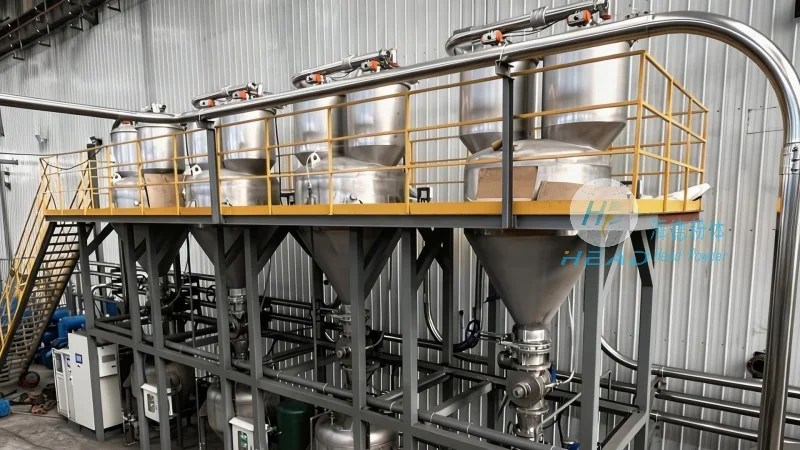
Negative pressure systems, on the other hand, create a vacuum in the conveying line, drawing material into the system. This mode is suitable for materials that are dusty or have a tendency to generate dust, as the vacuum helps to capture and transport particles without spillage. Magnesium hydroxide, being a fine powder, can benefit from negative pressure systems as they minimize dust emissions and maintain a cleaner working environment. Negative pressure systems are often used for longer distances and in applications where material is being transferred from a storage silo or hopper to a processing unit. However, they require more robust vacuum pumps and may have lower material capacity compared to positive pressure systems due to the lower air velocity needed to maintain suction.
When selecting a pneumatic conveying system for magnesium hydroxide, several factors must be considered, including material characteristics, conveying distance, and operational environment. Positive pressure systems are generally preferred for short to medium distances and for handling bulk quantities of magnesium hydroxide, as they provide higher material throughput and are more energy-efficient. They are also suitable for applications where the material is stored in a hopper or bin and needs to be transported to a processing plant. Negative pressure systems, while effective for dust control and longer distances, may be less efficient for high-volume magnesium hydroxide transport and require more maintenance due to the vacuum components.
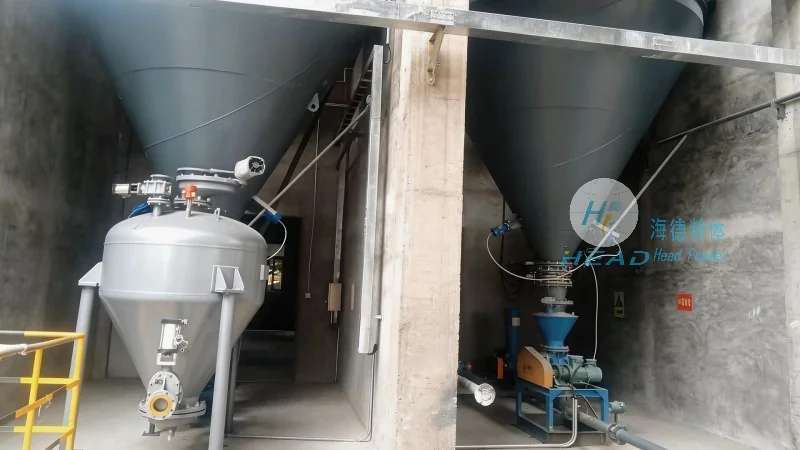
Implementing a pneumatic conveying system for magnesium hydroxide involves several technical and operational considerations. First, the material's flow properties, such as bulk density and angle of repose, must be evaluated to determine the appropriate conveying velocity and system design. Magnesium hydroxide, being a fine powder, has a relatively low bulk density, which may require higher air velocities to maintain flow. Second, the system's pressure drop and energy consumption must be optimized to ensure cost-effectiveness. Positive pressure systems typically have lower energy consumption compared to negative pressure systems, making them more economical for high-volume operations. Third, the system's components, including the air compressor, filter, and material separator, must be selected based on the material's properties and the conveying requirements. For example, a positive pressure system may use a rotary airlock valve and a cyclone separator to control material flow and prevent dust accumulation.
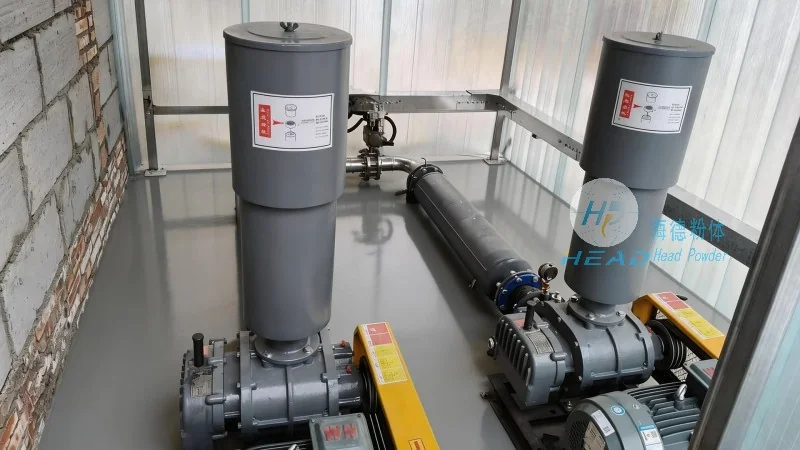
Shandong HeadPowder Engineering Co., Ltd., a leading provider of pneumatic conveying solutions, has extensive experience in designing and implementing systems for magnesium hydroxide handling. The company specializes in customizing positive and negative pressure systems to meet the specific needs of clients, ensuring optimal performance and efficiency. For instance, a client required a positive pressure system to transport magnesium hydroxide from a production line to a packaging facility over a distance of 100 meters. The system was designed with a high-pressure air compressor and a flexible pipeline to accommodate the material's flow characteristics. The result was a reliable and efficient conveying process with minimal material loss and dust emissions. Another client opted for a negative pressure system to handle magnesium hydroxide from a storage silo to a processing unit over a longer distance of 500 meters. The system was equipped with a robust vacuum pump and a dust collection system to maintain a clean environment. The implementation by HeadPowder demonstrated the effectiveness of negative pressure systems in handling fine powders while meeting environmental standards.
Both positive and negative pressure pneumatic conveying modes offer viable solutions for the transportation of magnesium hydroxide, with each mode having its own advantages and limitations. Positive pressure systems are generally more suitable for high-volume, short to medium distance applications, while negative pressure systems are better for dust control and longer distances. When selecting a system, it is essential to consider the material's properties, conveying distance, and operational requirements. Shandong HeadPowder Engineering Co., Ltd. provides comprehensive solutions for pneumatic conveying, including system design, installation, and maintenance, ensuring that clients can choose the most appropriate mode for their magnesium hydroxide handling needs. By leveraging the expertise of HeadPowder, industries can enhance their production efficiency, reduce material handling risks, and maintain product quality in the transportation of magnesium hydroxide.

 Shandong Headpowder Engineering Co., Ltd.
 156-6277-7102(Manager Zhang)
  0531-83386006
  Zhangqiu District, Jinan City, Shandong Province, China
telephone
WeChatconsult
top