With more than 10‑year industry experience, Shandong Headpowder delivers full‑service pneumatic‑conveying systems and blowers, undertaking nationwide turn‑key powder‑handling projects.
Shandong HeadPowder Engineering Co., Ltd., a leading provider in the field, specializes in advanced material handling solutions. The company, often referred to as HeadPowder, has extensive experience in designing and implementing efficient systems for transporting alumina particles. This article explores the various types of pneumatic conveying systems and their practical applications in the alumina industry, highlighting the technical aspects and operational benefits. HeadPowder, based in Shandong, China, leverages its expertise to deliver tailored solutions that meet the unique demands of alumina processing facilities.
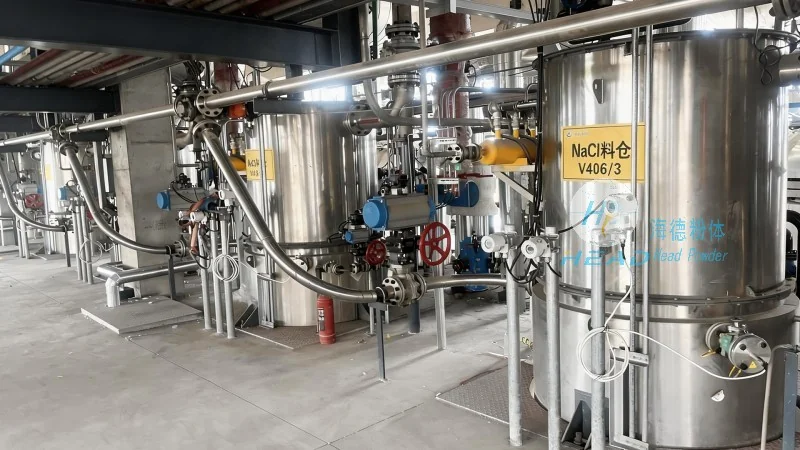
There are several types of pneumatic conveying systems used for alumina particle transport, each with distinct characteristics and applications. The primary categories include positive pressure systems, negative pressure systems, and hybrid systems. Positive pressure systems operate by forcing air or gas through the material, creating a pressure differential that moves the particles. These systems are commonly used for long-distance and high-capacity transport, making them ideal for moving alumina from mining sites to processing plants over significant distances. Negative pressure systems, on the other hand, draw material into a vacuum system, which is suitable for short-distance and low-capacity applications, such as conveying fine alumina from a mill to a storage silo. Hybrid systems combine elements of both positive and negative pressure, offering flexibility in handling different particle sizes and flow rates. The choice of system depends on factors such as the particle size, moisture content, and the distance between the source and destination, ensuring optimal performance and efficiency.
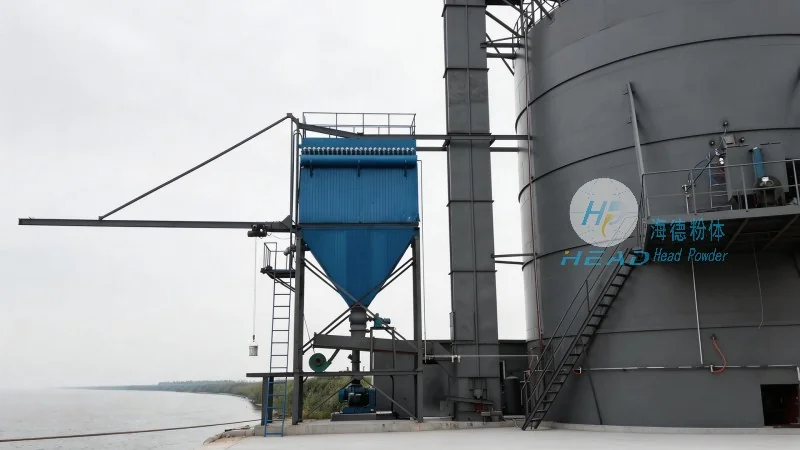
HeadPowder's pneumatic conveying systems are widely used in various stages of alumina production and processing. In the mining and extraction phase, these systems efficiently transport raw alumina ore from storage silos to processing plants, ensuring a continuous supply of material for further refinement. During the grinding and classification steps, the systems ensure consistent particle size distribution by conveying fine and coarse particles separately, which is crucial for achieving the desired purity and quality of the final product. In the refining and purification processes, the equipment helps maintain the quality of the alumina by preventing contamination and ensuring uniform flow, reducing the risk of product defects. Additionally, in the packaging and distribution stages, the systems facilitate the transport of finished alumina products to storage facilities or customer locations, streamlining the logistics and reducing handling time. The practical applications demonstrate the versatility and reliability of pneumatic conveying systems in enhancing productivity and reducing operational costs in the alumina industry.
One of the key advantages of pneumatic conveying systems for alumina particles is their ability to handle abrasive and corrosive materials without causing damage to the equipment. The systems are designed with durable components, such as high-quality metal pipes and specialized valves, which withstand the wear and tear associated with alumina transport. Another benefit is the reduced risk of dust exposure and contamination, as the material is enclosed within the system, minimizing environmental impact and ensuring product purity. Furthermore, these systems offer flexibility in terms of layout and integration with existing infrastructure, allowing for easy adaptation to different plant configurations. The operational benefits include increased throughput, lower labor costs, and improved safety by eliminating manual handling of bulk materials. HeadPowder's expertise in customizing these systems ensures that clients receive tailored solutions that meet their specific requirements, optimizing performance and efficiency.
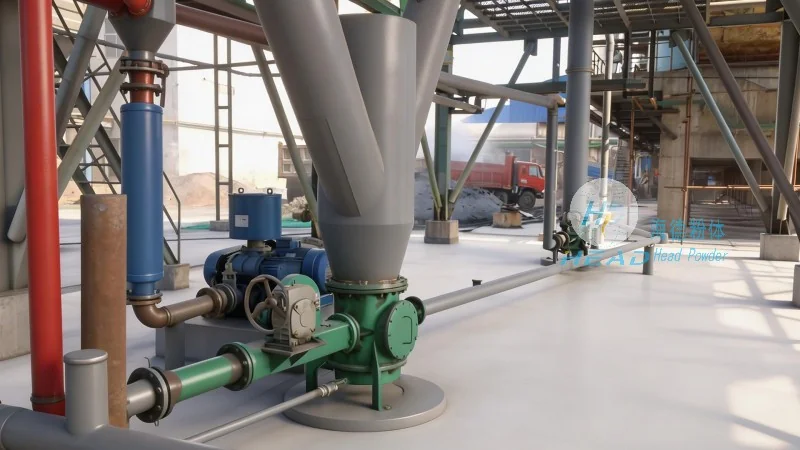
Shandong HeadPowder Engineering Co., Ltd. provides comprehensive pneumatic conveying solutions for alumina particle transport, catering to the diverse needs of the industry. By understanding the different types of systems and their practical applications, clients can select the most suitable equipment for their operations. The company's commitment to quality, innovation, and customer satisfaction has established it as a trusted partner in the material handling sector. As the demand for efficient and reliable alumina processing continues to grow, pneumatic conveying systems remain a critical component in optimizing production processes and ensuring sustainable operations. HeadPowder's expertise in this field ensures that businesses can achieve their operational goals while maintaining high standards of performance and safety.

 Shandong Headpowder Engineering Co., Ltd.
 156-6277-7102(Manager Zhang)
  0531-83386006
  Zhangqiu District, Jinan City, Shandong Province, China
telephone
WeChatconsult
top