With more than 10‑year industry experience, Shandong Headpowder delivers full‑service pneumatic‑conveying systems and blowers, undertaking nationwide turn‑key powder‑handling projects.
For companies involved in the production and processing of lithium cobalt oxide (LCO), efficient material handling is crucial to ensure smooth operations and maintain product quality. This article introduces the working principle and key features of specialized material handling equipment designed for LCO, providing insights into how these systems enhance productivity and operational safety.
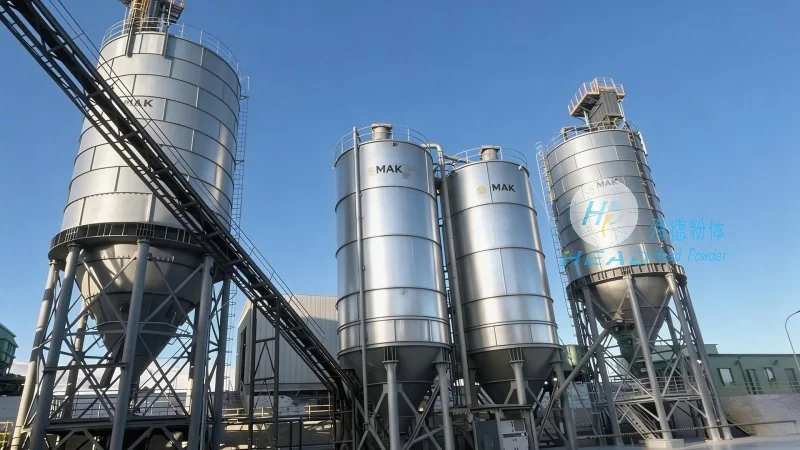
The core working principle of lithium cobalt oxide material handling equipment revolves around the integration of advanced engineering and material science to handle the unique properties of LCO. These materials are typically fine powders or granules, requiring equipment that can manage dust, prevent contamination, and ensure precise movement. The system generally includes feeding mechanisms, conveying components, and control systems that work in tandem to transport LCO from storage to processing or packaging areas.
Feeding mechanisms, such as rotary valves or screw feeders, are designed to handle the flow of LCO powder. These components ensure a consistent and controlled feed rate, which is critical for maintaining uniform material flow and preventing blockages. The conveying components, which may include pneumatic or mechanical systems, transport the LCO through pipelines or conveyor belts. Pneumatic conveying systems use air pressure to move the material, while mechanical systems rely on belts or chains. The control systems monitor and adjust the flow rate, pressure, and speed to optimize the handling process and minimize material loss or degradation.
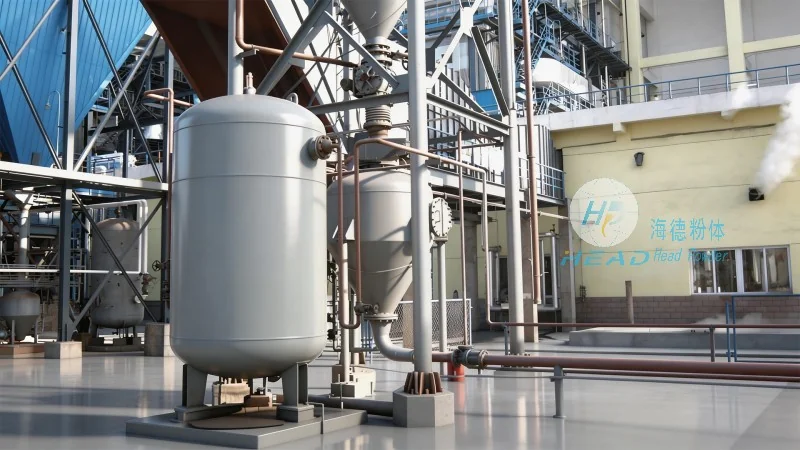
Specialized equipment for lithium cobalt oxide material handling is characterized by several key features that address the specific challenges of handling this material. First, the equipment is designed with dust control measures to prevent the release of fine particles into the air, which is essential for maintaining a safe working environment and complying with environmental regulations. This includes sealed enclosures, dust collection systems, and air filtration units that capture and contain LCO dust.
Second, the equipment is constructed from materials that are resistant to corrosion and chemical reactions with LCO. Stainless steel or specialized alloys are commonly used for components that come into direct contact with the material, ensuring durability and preventing contamination. Additionally, the equipment is equipped with anti-static features to prevent electrostatic discharge, which can be hazardous when handling fine powders.
Third, the equipment is designed for high precision and efficiency. This includes features like adjustable feed rates, variable speed conveyors, and real-time monitoring systems that allow operators to adjust the handling process based on production needs. The equipment also minimizes material waste by reducing spillage and ensuring complete transfer from one stage to the next.
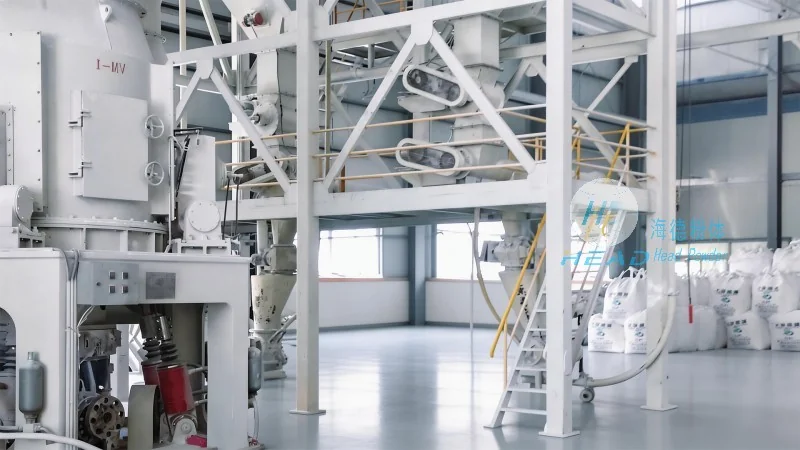
Shandong HeadPowder Engineering Co., Ltd., operating under the brand name headpowder, is a leading manufacturer of specialized material handling equipment for the lithium battery industry. With a focus on innovation and customer satisfaction, the company has developed advanced solutions tailored to the unique requirements of lithium cobalt oxide processing. Headpowder's equipment is designed to enhance operational efficiency, improve product quality, and ensure compliance with industry standards.
Headpowder's team of engineers and technicians work closely with clients to understand their specific needs and provide customized solutions. The company's facilities are equipped with state-of-the-art technology and quality control measures to ensure that each piece of equipment meets the highest standards. With a commitment to sustainability and safety, headpowder aims to support the growth of the lithium battery industry while maintaining a positive impact on the environment and workplace.

 Shandong Headpowder Engineering Co., Ltd.
 156-6277-7102(Manager Zhang)
  0531-83386006
  Zhangqiu District, Jinan City, Shandong Province, China
telephone
WeChatconsult
top