With more than 10‑year industry experience, Shandong Headpowder delivers full‑service pneumatic‑conveying systems and blowers, undertaking nationwide turn‑key powder‑handling projects.
When it comes to transporting quartz powder, selecting the right pneumatic conveying system is crucial for efficiency, cost-effectiveness, and operational safety. Two primary methods dominate the industry: positive pressure and negative pressure systems. Understanding the differences between these two approaches is essential for making an informed decision that aligns with your specific production needs. This article will explore the key characteristics of each system, helping you determine which is best suited for your quartz powder handling requirements.
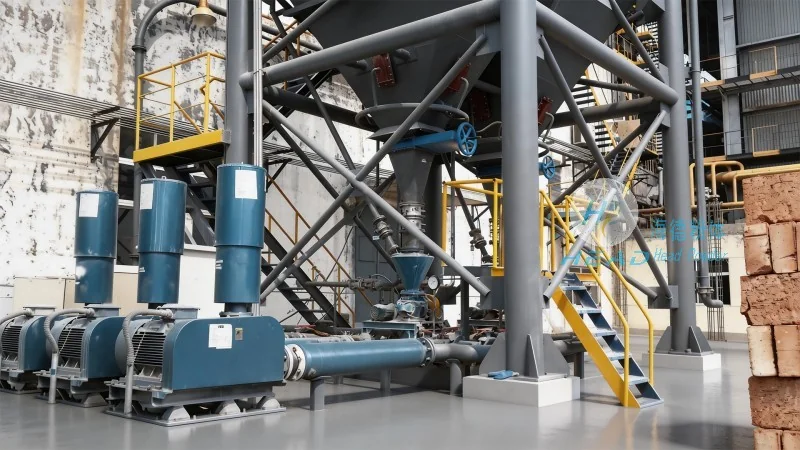
Pneumatic conveying is a method of transporting bulk materials like quartz powder through a pipeline using air or gas as the conveying medium. This technology offers a flexible and efficient alternative to traditional mechanical conveying methods. The choice between positive pressure and negative pressure systems depends on several factors, including material properties, system layout, and operational considerations.
HeadPowder, a leading provider of pneumatic conveying solutions, specializes in designing and manufacturing systems tailored to the unique demands of the quartz powder industry. With years of experience and a commitment to quality, HeadPowder offers comprehensive solutions that enhance productivity and ensure reliable material transport. The company’s headquarters is located in Shandong, China, where it serves clients globally with expert engineering and support.
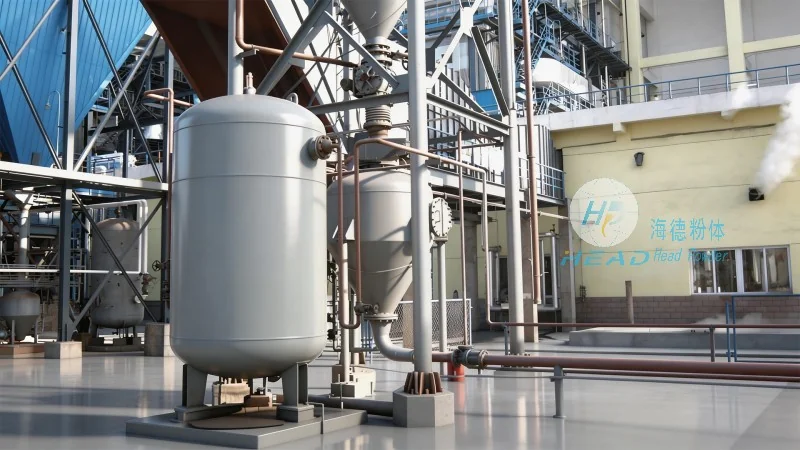
Positive pressure systems operate by blowing air or gas into the conveying line, creating a pressure higher than the ambient air pressure. This method is particularly effective for transporting materials that are prone to dusting or have a tendency to create blockages. In the context of quartz powder, positive pressure systems excel in scenarios where the material is abrasive or has a high density. The pressurized air helps maintain a consistent flow, preventing material settling or clogging in the pipeline. Additionally, positive pressure systems are often preferred when the conveying distance is long or when multiple transfer points are required. The equipment used in positive pressure systems typically includes high-pressure blowers, cyclone separators, and dust collectors, all designed to handle the specific characteristics of quartz powder.
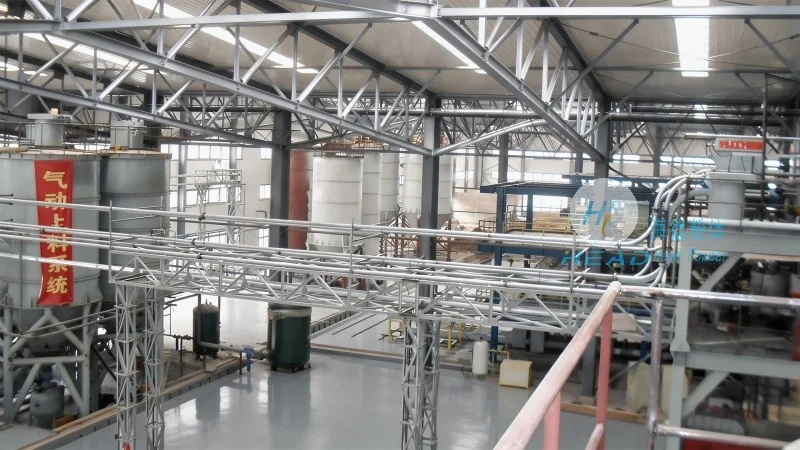
Negative pressure systems, on the other hand, create a vacuum in the conveying line, drawing material into the system from the source. This approach is ideal for applications where the material is light and dusty, as the vacuum helps capture and transport fine particles without the need for high-pressure air. For quartz powder, negative pressure systems are commonly used in environments where dust control is a priority and where the material is relatively non-abrasive. The vacuum created by the system ensures that the material is drawn efficiently into the pipeline, minimizing the risk of material loss or contamination. Negative pressure systems typically employ vacuum pumps, cyclone separators, and filtration systems to maintain a clean and safe conveying process. They are particularly suitable for short to medium conveying distances and when the material is handled in a cleanroom or controlled environment.
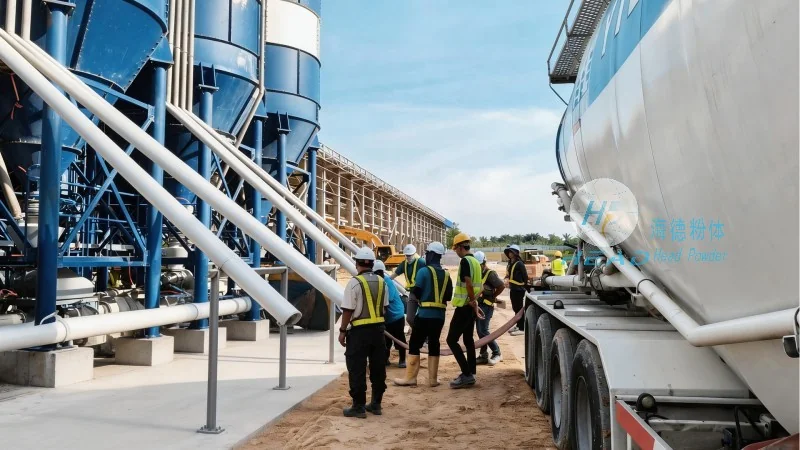
Choosing between positive and negative pressure systems for quartz powder pneumatic conveying involves evaluating several key factors. First, consider the material's physical properties, such as particle size, density, and moisture content. Abrasive or high-density quartz powders may benefit from positive pressure systems due to their ability to maintain consistent flow and prevent blockages. Conversely, light and dusty quartz powders are better suited for negative pressure systems, which minimize dust generation and ensure efficient capture. Second, assess the system layout and required conveying distance. Positive pressure systems are more suitable for long-distance transport or complex layouts with multiple transfer points, as they can maintain pressure throughout the pipeline. Negative pressure systems, however, are ideal for shorter distances and simpler setups, where the vacuum can effectively draw material without excessive energy consumption. Third, evaluate operational considerations, including maintenance requirements and safety protocols. Positive pressure systems may require more robust equipment and regular maintenance to handle abrasive materials, while negative pressure systems may need additional filtration to prevent dust accumulation. Finally, consider cost implications. Positive pressure systems often involve higher initial investment due to the need for high-pressure blowers, but they may offer lower operating costs for long-term use. Negative pressure systems, while potentially less expensive upfront, may require more frequent maintenance of vacuum pumps and filtration systems.
Ultimately, the choice between positive pressure and negative pressure pneumatic conveying systems for quartz powder depends on a careful analysis of material characteristics, system requirements, and operational goals. By understanding the strengths and limitations of each approach, you can select the most appropriate system to enhance efficiency, reduce costs, and ensure safe material transport. HeadPowder, with its expertise in pneumatic conveying solutions, can provide tailored recommendations and systems that meet the specific needs of your quartz powder handling operations. Whether you opt for a positive or negative pressure system, the right choice will contribute to improved productivity and reliability in your production processes.

 Shandong Headpowder Engineering Co., Ltd.
 156-6277-7102(Manager Zhang)
  0531-83386006
  Zhangqiu District, Jinan City, Shandong Province, China
telephone
WeChatconsult
top