With more than 10‑year industry experience, Shandong Headpowder delivers full‑service pneumatic‑conveying systems and blowers, undertaking nationwide turn‑key powder‑handling projects.
For agricultural and food processing industries, the efficient and reliable transportation of bulk materials like oats is crucial. Pneumatic conveying systems offer a solution that minimizes manual handling, reduces contamination risks, and enhances overall operational efficiency. This technical analysis focuses on the key aspects of oat pneumatic conveying systems, with a particular emphasis on the comparison between positive and negative pressure conveying modes. The discussion will explore the fundamental principles, operational characteristics, and practical applications of each mode, providing insights into how they can be optimized for oat handling in various industrial settings.
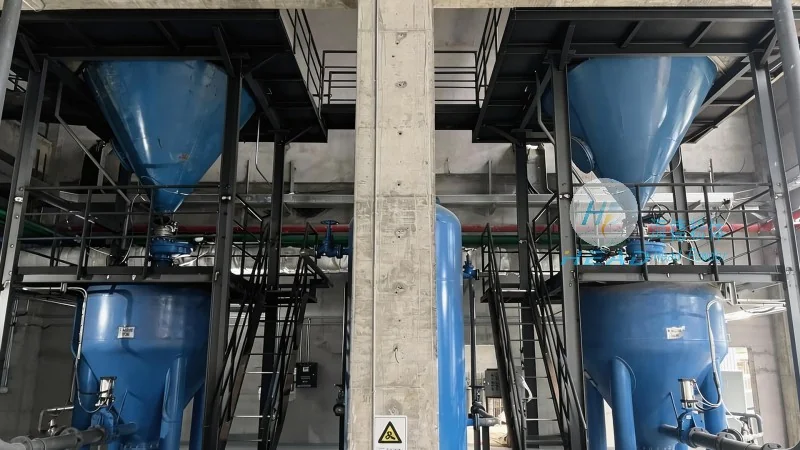
Pneumatic conveying systems utilize air or gas to transport bulk materials through a pipeline network. The primary components include a hopper for material storage, a conveyor line, and a control system for air flow regulation. The two main categories of pneumatic conveying are positive pressure and negative pressure systems, each with distinct mechanisms for material movement.
Positive pressure conveying operates by blowing air into the conveyor line, creating a pressure higher than the ambient air. This method propels the material forward through the pipeline. In the context of oat handling, positive pressure systems are often preferred for their ability to handle a wide range of material characteristics, including high moisture content or sticky oats. The system typically includes a blower or compressor that generates the necessary air pressure, and the material is drawn into the line from the hopper. This mode is particularly effective for short to medium-distance conveying, as excessive pressure can lead to material degradation or equipment wear. The positive pressure approach ensures consistent material flow and can be easily integrated with existing processing lines.
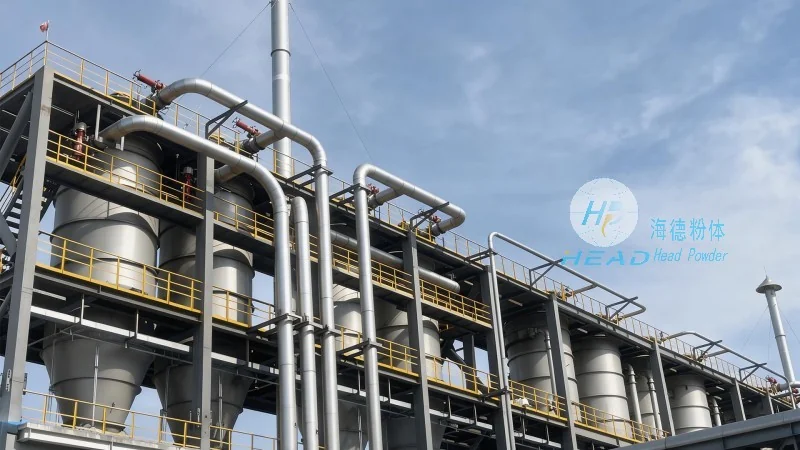
Negative pressure conveying, on the other hand, creates a vacuum or lower pressure inside the conveyor line compared to the ambient environment. The material is drawn into the line by the suction effect, moving towards the receiver. This mode is commonly used for longer conveying distances or when dealing with materials that are prone to dust or contamination. Negative pressure systems are generally more energy-efficient for long-distance transport, as they require less power to maintain the vacuum. However, they may be less suitable for handling highly abrasive or sticky oats, as the suction can cause material buildup or blockages. The design of negative pressure systems includes a fan or vacuum pump that maintains the pressure differential, and the material is typically fed from a hopper into the suction inlet.
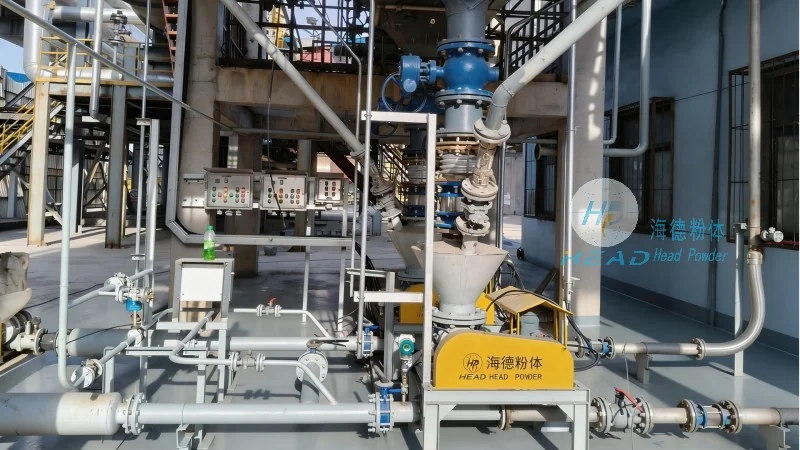
When selecting a pneumatic conveying system for oats, several factors must be considered to ensure optimal performance. The first is the material's physical properties, such as particle size, density, and moisture content. Oats have relatively uniform particle sizes but can vary in moisture levels, which affects their flowability. The system must be designed to accommodate these variations without causing clogging or uneven flow. Another critical factor is the conveying distance and required flow rate. Positive pressure systems are often chosen for shorter distances with higher flow rates, while negative pressure systems are more suitable for longer distances or when the material needs to be transported from multiple sources. The choice of conveying mode also impacts the energy consumption and operational costs. Positive pressure systems may require more power for high-pressure operation, whereas negative pressure systems can be more economical for extended runs. Additionally, the system's ability to handle dust and prevent contamination is essential, especially in food processing applications. Both positive and negative pressure systems can incorporate filtration and cleaning mechanisms to maintain air quality and comply with regulatory standards.
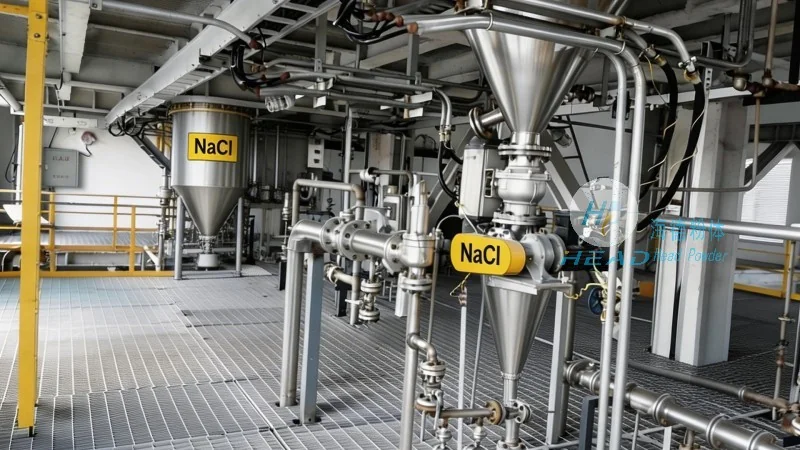
Industrial applications of pneumatic conveying in oat processing vary widely, from raw material intake to finished product packaging. In a typical oat milling facility, a positive pressure system might be used to transport raw oats from storage silos to the grinding and sifting units. The system would handle large volumes of oats over short distances, ensuring a steady supply to the processing equipment. Conversely, a negative pressure system could be employed to move processed oats from the sifting stage to the packaging line, especially if the conveying distance is longer or if the material needs to be transported through multiple processing stages. The choice of mode depends on the specific workflow and the physical constraints of the facility. For example, in a large-scale oat processing plant, a combination of both positive and negative pressure systems might be used to optimize material flow across different sections. This integrated approach allows for efficient handling of raw oats, intermediate products, and final packaged goods, minimizing downtime and maximizing throughput.
Both positive and negative pressure conveying modes offer distinct advantages and limitations when applied to oat handling. Positive pressure systems excel in their ability to handle a wide range of material types, including those with high moisture content or sticky characteristics. They provide consistent material flow and are easier to maintain, as the air is directed outward, reducing the risk of dust accumulation inside the system. However, they may require more energy for high-pressure operation, especially over longer distances, and can be more expensive to install due to the need for robust blower systems. Negative pressure systems, while more energy-efficient for long-distance transport, have limitations in handling abrasive or sticky oats, as the suction can cause material buildup and require more frequent maintenance. They also generate more dust, which may necessitate additional filtration and cleaning measures to comply with environmental regulations. The choice between the two modes ultimately depends on the specific operational requirements, such as conveying distance, material properties, and energy budget. A thorough analysis of these factors is essential to select the most suitable conveying mode for oat processing applications.

 Shandong Headpowder Engineering Co., Ltd.
 156-6277-7102(Manager Zhang)
  0531-83386006
  Zhangqiu District, Jinan City, Shandong Province, China
telephone
WeChatconsult
top