

Preventing Dust Leakage in Pneumatic Conveying Systems for Lignite Transport
In industrial production, pneumatic conveying systems are widely used for material transport due to their efficiency and flexibility, especially when handling materials like lignite that are prone to generating dust. However, dust leakage not only affects the production environment but also can damage equipment and even pose health risks to operators. Therefore, how to effectively prevent dust leakage has become a key issue in the design and application of pneumatic conveying systems. This article explores methods to control dust leakage during lignite transport through system optimization and equipment selection.
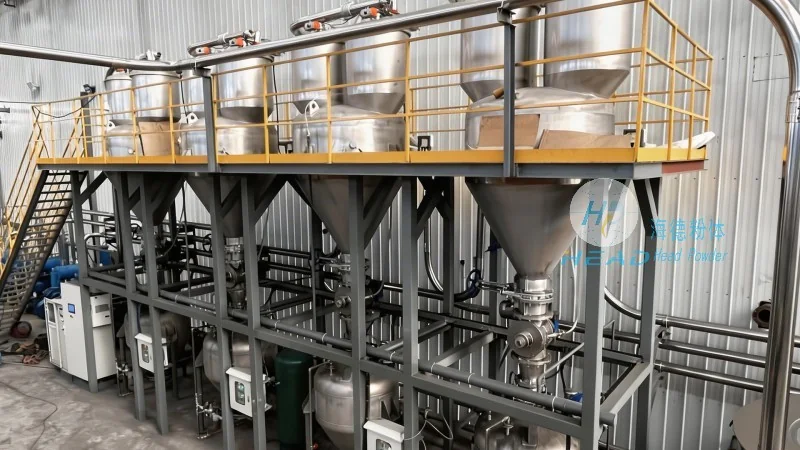
Lignite Characteristics and Challenges in Pneumatic Conveying
Lignite is a low-ash, low-sulfur solid fuel with fine, brittle particles that easily generate dust during transport. Traditional pneumatic conveying systems, if designed improperly, can lead to dust leakage within the transport pipes, causing environmental pollution and safety hazards. For example, during transport, dust may escape through connections, valves, or damaged pipe sections if the system pressure fluctuates or sealing is poor. Additionally, lignite's hygroscopic nature affects dust flowability, further increasing leakage risks. Therefore, designing a reasonable pneumatic conveying system tailored to lignite's characteristics is crucial.

Key Measures: System Design and Equipment Selection
To effectively prevent dust leakage, a comprehensive approach focusing on system design and professional equipment selection is required. First, selecting the appropriate transport method is essential. For dust-prone materials like lignite, positive-pressure pneumatic conveying systems are typically more effective than negative-pressure systems, as they maintain higher pressure inside the transport pipes than the ambient atmosphere, reducing external dust leakage. Second, optimizing pipe layout and sealing is critical. Using smooth, internally smooth pipes reduces friction between the material and pipe walls, lowering dust generation. Simultaneously, ensuring all connection points, valves, elbows, and other components have excellent sealing performance by using high-quality sealing components and connection methods (such as welding or specialized fittings) to avoid leak points. Furthermore, installing dust collection devices like cyclone separators or baghouse dust collectors at key locations to promptly capture escaped dust and prevent it from entering the atmosphere.
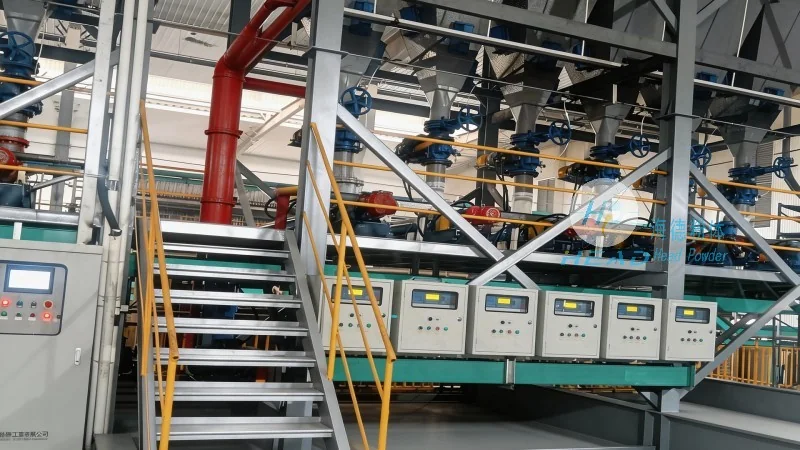
HeadPowder Engineering Company's Solutions
Shandong HeadPowder Engineering Co., Ltd. (referred to as HeadPowder), as a professional provider of pneumatic conveying system solutions, has accumulated rich experience in handling dust-prone materials like lignite. The company offers efficient anti-dust measures tailored to different customer needs through customized design. For instance, in system design, HeadPowder adjusts airflow speed and pressure based on lignite's physical properties to ensure stable material transport within the pipes and reduce dust dispersion. Simultaneously, the company employs advanced sealing technologies and materials, such as elastic sealing components and metal hoses, to enhance the system's sealing performance. Additionally, HeadPowder provides professional installation and maintenance services to ensure the system maintains good sealing performance during long-term operation, effectively controlling dust leakage. Through these measures, HeadPowder helps clients achieve safe and efficient lignite transport while meeting environmental requirements.