With more than 10‑year industry experience, Shandong Headpowder delivers full‑service pneumatic‑conveying systems and blowers, undertaking nationwide turn‑key powder‑handling projects.
When handling polyacrylamide (PAM), a critical polymer widely used in water treatment and other industrial processes, the risk of pipeline blockages during pneumatic conveying is a significant concern. PAM, especially in its dry powder form, can be prone to agglomeration and sticking to surfaces, which may lead to operational disruptions and increased maintenance costs. To address this challenge, understanding the key design parameters of pneumatic conveying systems becomes essential for ensuring smooth and efficient material transport.
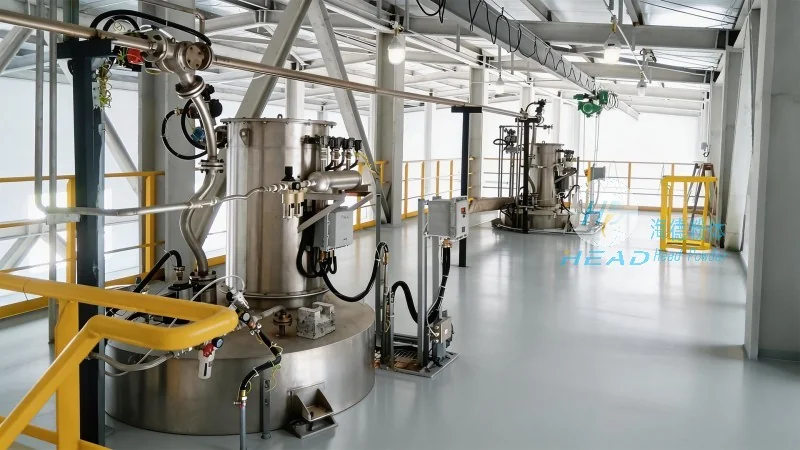
Polyacrylamide is a high-molecular-weight polymer that is often supplied as a white or off-white powder. Its adhesive properties and tendency to form lumps make it challenging to handle in pneumatic systems. Traditional conveying methods may struggle with maintaining consistent flow rates and preventing material buildup in pipelines. This is where specialized pneumatic conveying solutions become crucial, as they are engineered to mitigate the risks associated with PAM's physical characteristics.
Several critical design parameters must be considered when designing a pneumatic conveying system for PAM to minimize the risk of blockages. These parameters include:
1. **Air Velocity and Flow Rate**: Maintaining an appropriate air velocity is fundamental. Insufficient air velocity can lead to material settling and blockages, while excessively high velocity may cause wear on the system components and reduce efficiency. The optimal air velocity is typically determined based on the specific PAM grade, particle size, and the system's pressure and volume requirements.
2. **System Pressure and Vacuum Levels**: The pressure or vacuum level in the conveying line directly impacts the material's suspension and movement. Higher pressure systems are often used for dense or abrasive materials, but for PAM, a balanced pressure that ensures consistent particle suspension without causing excessive stress on the pipeline is essential. Vacuum systems, on the other hand, are suitable for lighter materials but may require additional measures to prevent clogging.
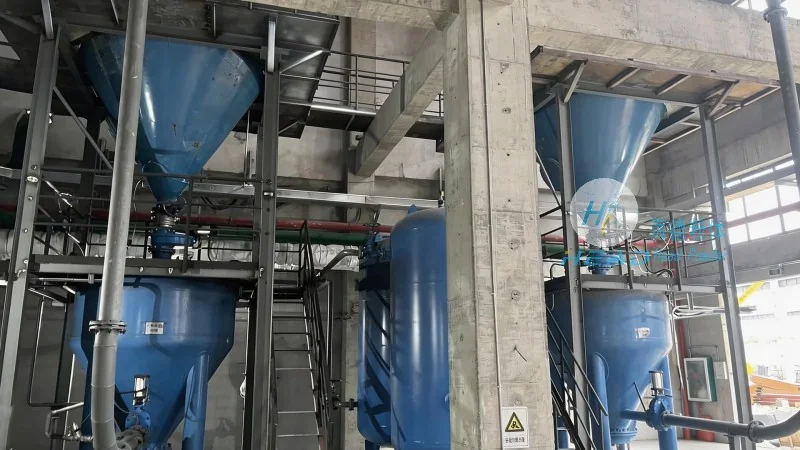
3. **Pipeline Diameter and Length**: The diameter of the conveying pipeline is directly proportional to the material's flow capacity. A larger diameter reduces friction and the likelihood of blockages, but it also increases system cost and space requirements. The length of the pipeline also affects the pressure drop and the need for intermediate conveying points or booster units to maintain flow.
4. **Material Handling Equipment**: The type of equipment used for feeding and discharge, such as rotary valves, feeders, and discharge devices, plays a vital role in preventing blockages. Properly designed and maintained feeding equipment ensures a consistent material feed rate, preventing surges or backflow that could lead to clogging. Discharge devices, including cyclones or rotary airlocks, must be capable of handling PAM without allowing material to accumulate or stick to surfaces.
5. **Air Conditioning and Filtration**: The quality of the air used in the pneumatic system is another critical factor. Contaminants in the air, such as moisture or dust, can react with PAM and cause agglomeration. Therefore, incorporating air conditioning and filtration systems is essential to maintain a clean and dry air environment, reducing the risk of blockages and improving system longevity.
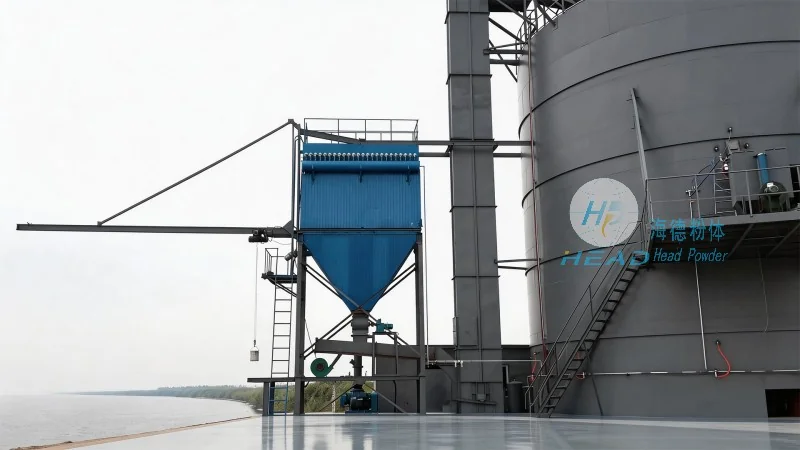
Shandong HeadPowder Engineering Co., Ltd., a leading provider of specialized engineering solutions, offers comprehensive pneumatic conveying systems tailored to the unique challenges of PAM handling. With a focus on preventing pipeline blockages and ensuring efficient material transport, HeadPowder leverages advanced design principles and industry expertise to deliver reliable solutions for clients across various industries.
HeadPowder's engineers work closely with clients to assess their specific PAM application requirements, including the material's characteristics, conveying distance, and operational conditions. By integrating the key design parameters mentioned above, HeadPowder designs systems that optimize air velocity, pressure, and pipeline configuration to minimize the risk of blockages while maximizing throughput and system efficiency.
The company's commitment to quality and innovation is reflected in its use of high-quality materials and components, ensuring durability and long-term performance. HeadPowder also provides maintenance and support services to help clients maintain optimal system operation and address any issues that may arise over time.
Preventing pipeline blockages in PAM conveying through pneumatic systems requires a careful consideration of multiple design parameters. By optimizing air velocity, pressure levels, pipeline dimensions, and material handling equipment, along with maintaining clean air conditions, operators can significantly reduce the risk of operational disruptions and extend the lifespan of their conveying systems. Companies like Shandong HeadPowder Engineering Co., Ltd. play a vital role in providing tailored solutions that address these challenges, ensuring efficient and reliable PAM transport for industrial applications.

 Shandong Headpowder Engineering Co., Ltd.
 156-6277-7102(Manager Zhang)
  0531-83386006
  Zhangqiu District, Jinan City, Shandong Province, China
telephone
WeChatconsult
top