With more than 10‑year industry experience, Shandong Headpowder delivers full‑service pneumatic‑conveying systems and blowers, undertaking nationwide turn‑key powder‑handling projects.
Phosphorus pentoxide (P₂O₅), a highly reactive and hygroscopic chemical, poses significant challenges during material handling and transportation. Its tendency to absorb moisture from the air and form hard, adherent deposits can easily lead to pipeline blockages, disrupting production processes and increasing maintenance costs. To address these issues, pneumatic conveying systems have emerged as a reliable solution, but their effectiveness hinges on precise design and optimization. This article explores the critical design parameters that ensure efficient and blockage-free conveyance of phosphorus pentoxide, with insights from Shandong HeadPowder Engineering Co., Ltd., a leading provider in the field.
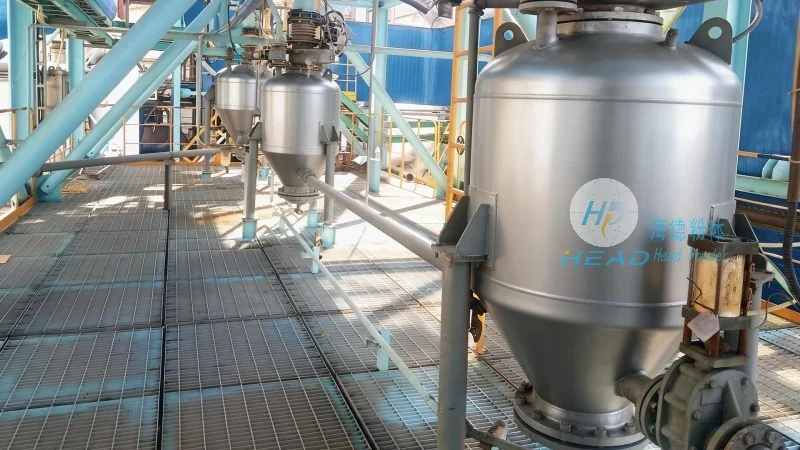
Phosphorus pentoxide is known for its extreme hygroscopic nature, rapidly absorbing moisture to form phosphoric acid and other compounds. This property not only increases the material's bulk density and stickiness but also accelerates the formation of solid deposits on pipeline walls. Additionally, P₂O₅ is highly corrosive to certain metals, making material compatibility a non-negotiable factor in system design. These characteristics necessitate specialized equipment and design considerations to prevent blockages and ensure safe operation.
When designing a pneumatic conveying system for phosphorus pentoxide, several key factors must be prioritized. The system must be capable of maintaining consistent air flow rates and pressure levels to prevent material settling or clogging. Moreover, the choice of equipment, such as the type of feeder, air compressor, and pipeline layout, directly impacts the system's performance. A well-engineered system balances the need for high conveying efficiency with the requirement to minimize material degradation and blockage risk.
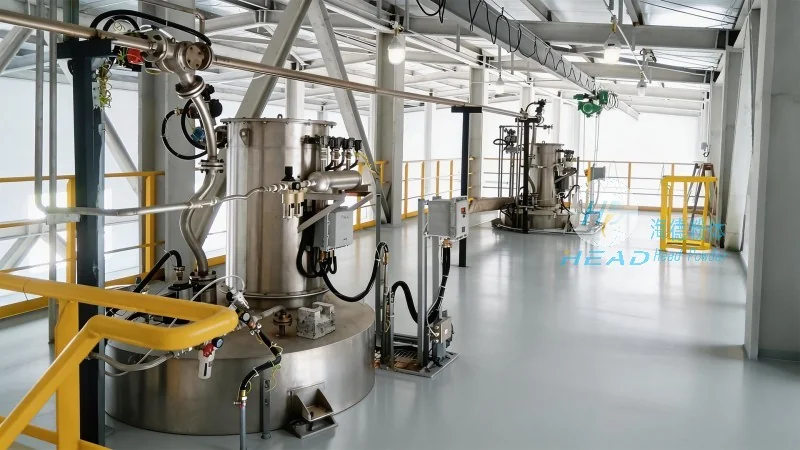
One of the most critical parameters in pneumatic conveying is the air flow rate and system pressure. For phosphorus pentoxide, maintaining an optimal air velocity—typically between 20 to 30 meters per second—ensures that the material remains in suspension and does not settle on the pipeline walls. Excessive pressure can lead to excessive wear on components and increased energy consumption, while insufficient pressure may result in material bridging and blockages. Precise control of these variables is achieved through advanced pressure sensors and variable frequency drives (VFDs), which adjust air flow in real-time based on material conditions.
The selection of pipeline materials is paramount in preventing corrosion and material adhesion. Materials like stainless steel (specifically 316L) or specialized alloys are preferred due to their resistance to phosphoric acid and other corrosive byproducts. Additionally, the internal surface of the pipeline is often treated with anti-adhesive coatings or smooth finishes to reduce friction and prevent material buildup. These measures, combined with regular cleaning protocols, significantly reduce the likelihood of blockages and extend the system's operational lifespan.
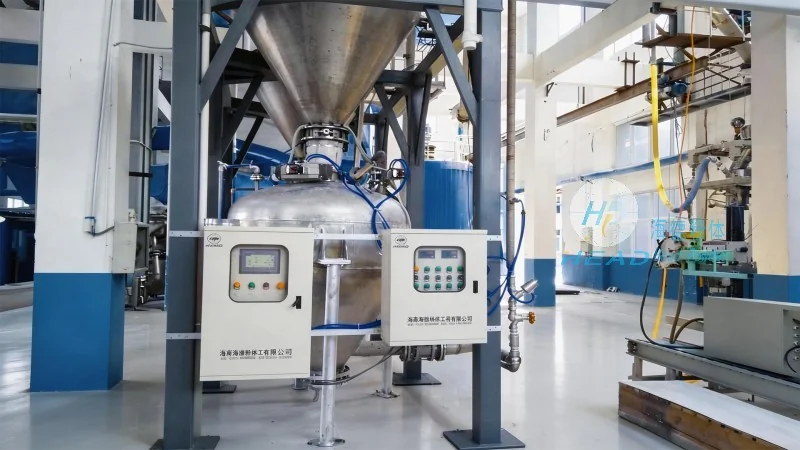
The configuration of key components, including the material feeder, air compressor, and separation unit, plays a crucial role in system efficiency. A properly sized feeder ensures a consistent material feed rate, preventing surges that could cause blockages. The air compressor must be capable of delivering sufficient pressure without causing excessive vibration or noise, which could affect system stability. System layout, such as the angle and length of horizontal and vertical sections, is also optimized to minimize pressure drop and maintain consistent air flow. For instance, using gentle bends and avoiding sharp turns reduces the risk of material accumulation at low points.
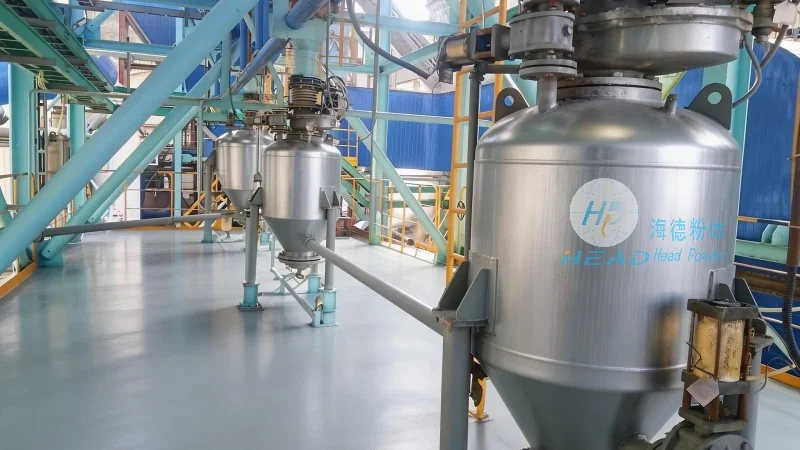
To further mitigate blockage risks, preventive measures such as regular system inspections and cleaning are essential. This includes periodic flushing of pipelines with inert gases or cleaning agents to remove any deposits. Additionally, monitoring system parameters, such as pressure and flow rates, allows for early detection of anomalies that could indicate impending blockages. Shandong HeadPowder Engineering Co., Ltd. recommends implementing a proactive maintenance schedule, including component replacement and system calibration, to ensure long-term reliability and efficiency.
Preventing pipeline blockages in phosphorus pentoxide conveying requires a comprehensive approach that integrates advanced design principles and material-specific considerations. By focusing on key parameters such as air flow rate, pressure control, material compatibility, and system layout, pneumatic conveying systems can effectively handle this challenging chemical. Shandong HeadPowder Engineering Co., Ltd. specializes in designing and implementing such systems, leveraging years of experience to deliver solutions that meet the highest standards of efficiency and safety. With the right design and maintenance, businesses can ensure uninterrupted production and minimize downtime associated with material handling challenges.

 Shandong Headpowder Engineering Co., Ltd.
 156-6277-7102(Manager Zhang)
  0531-83386006
  Zhangqiu District, Jinan City, Shandong Province, China
telephone
WeChatconsult
top