With more than 10‑year industry experience, Shandong Headpowder delivers full‑service pneumatic‑conveying systems and blowers, undertaking nationwide turn‑key powder‑handling projects.
Limestone powder, a critical raw material in industries such as cement, metallurgy, and water treatment, presents unique handling challenges due to its fine particle size, potential for caking, and abrasive nature. Traditional mechanical conveying methods often struggle with dust leakage and material degradation. This necessitates the adoption of advanced pneumatic conveying technologies. As a specialized limestone powder pneumatic conveying manufacturer, understanding the physical properties of the material is the first step in designing an efficient system. The goal is to ensure a continuous, closed-loop process that minimizes environmental impact while maximizing material transfer efficiency.
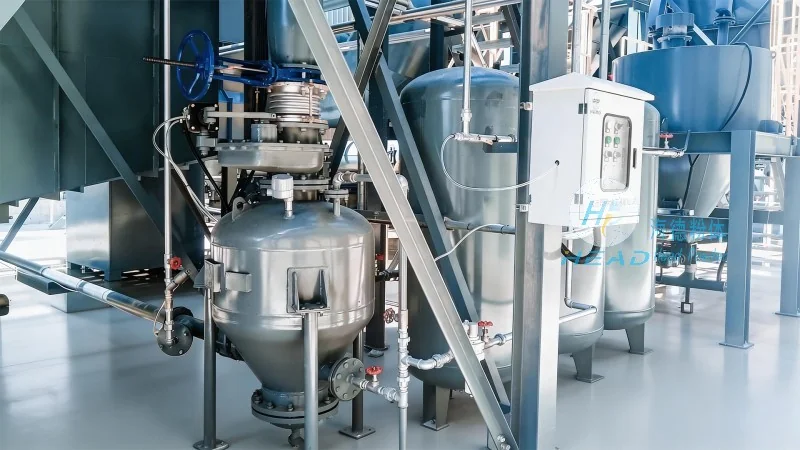
Pneumatic conveying systems utilize air pressure to move limestone powder through a pipeline network. This method is highly effective for fine powders like limestone because it prevents segregation and allows for precise control over flow rates. Whether the application requires horizontal, vertical, or inclined transport, the principle remains consistent. When evaluating a limestone powder conveying system, engineers must consider the specific characteristics of the powder, such as moisture content and bulk density, to determine the optimal air-to-material ratio. This technical precision ensures that the material remains fluidized during transit, preventing blockages and ensuring smooth operation.
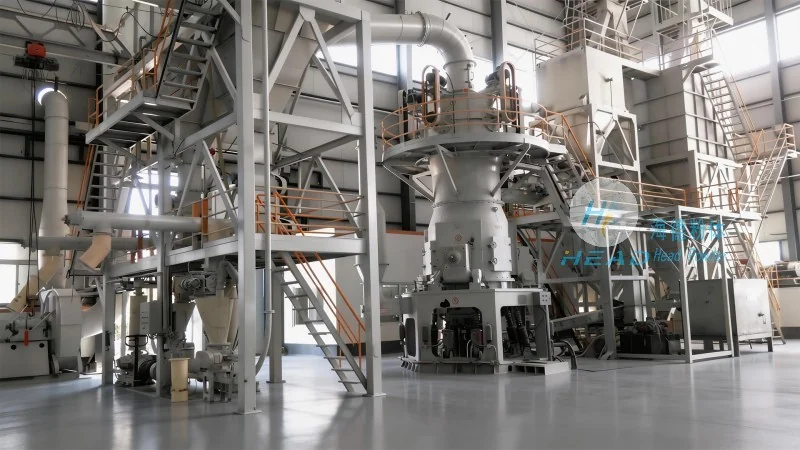
Shandong Headpowder Engineering Co., Ltd. stands out as a premier provider in the field of bulk material handling. We are dedicated to the research, development, and manufacturing of high-quality limestone powder pneumatic conveying solutions. Our facility is equipped with state-of-the-art technology, allowing us to produce equipment that meets rigorous industry standards. As a trusted limestone powder pneumatic conveying manufacturer, we focus on durability and performance, ensuring that our systems can withstand the abrasive nature of limestone powder over extended periods.
One size does not fit all in industrial material handling. Every plant has unique spatial constraints, production schedules, and material requirements. Therefore, a generic approach is often insufficient. At Shandong Headpowder Engineering Co., Ltd., we specialize in limestone powder pneumatic conveying scheme customization. Our team of experts conducts thorough site surveys and analyzes the specific needs of the client to design a bespoke system. Whether the challenge involves long-distance transport or complex vertical lifts, our customized schemes are tailored to optimize energy consumption and operational reliability.
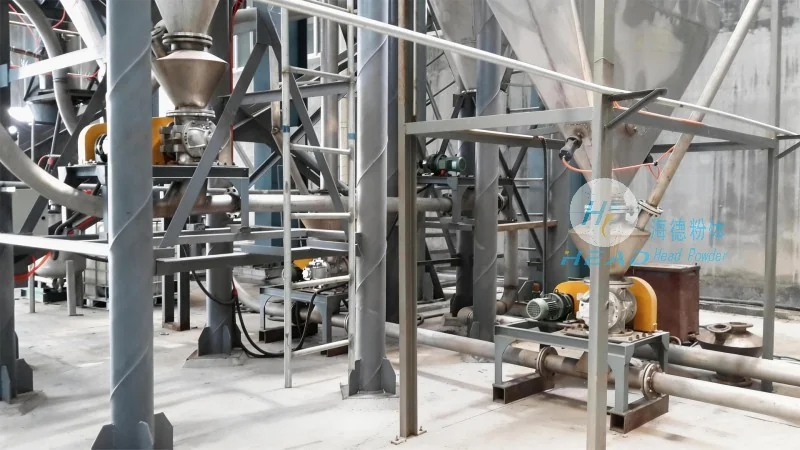
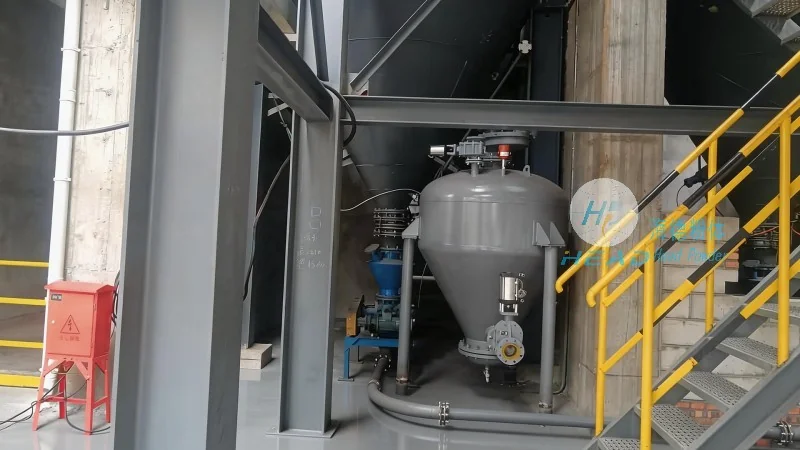
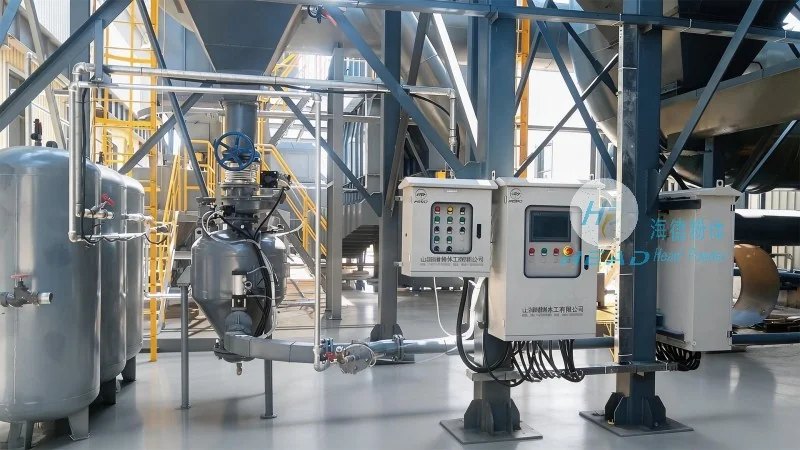
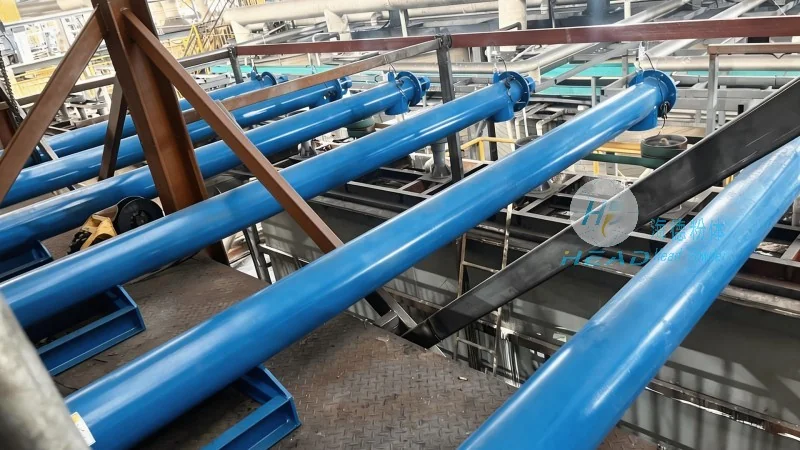
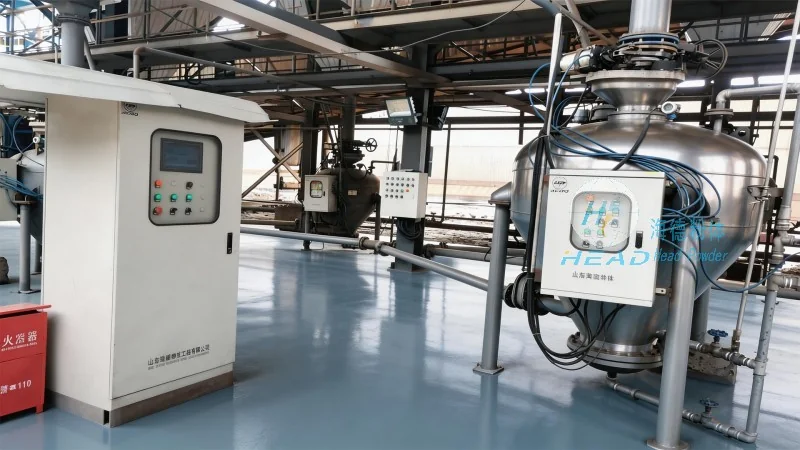
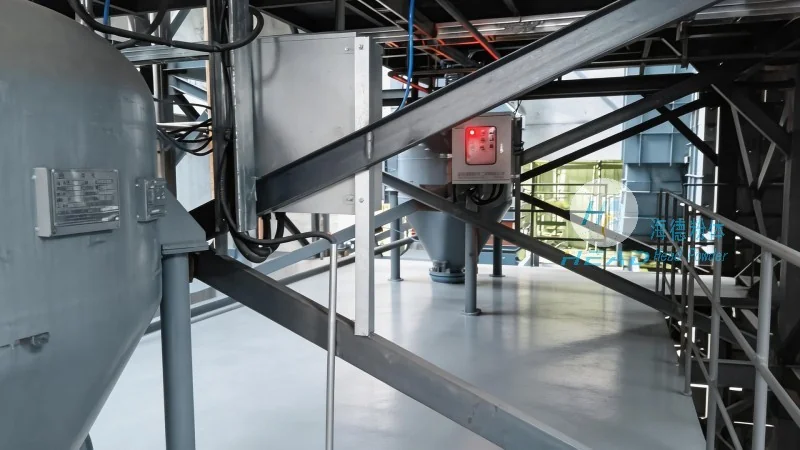
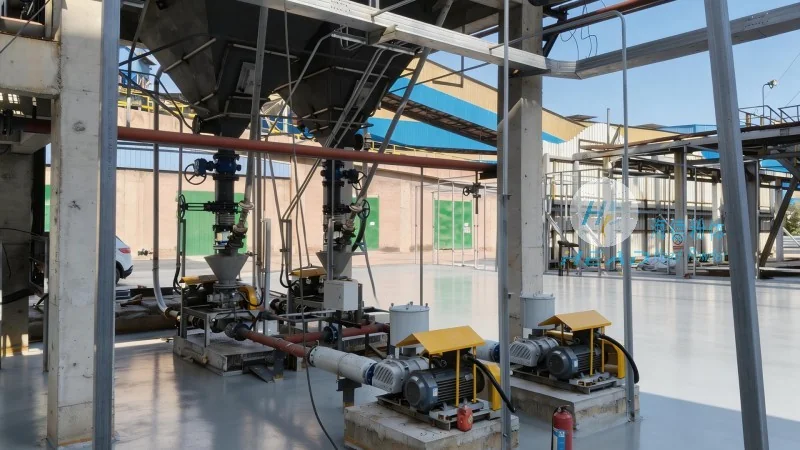
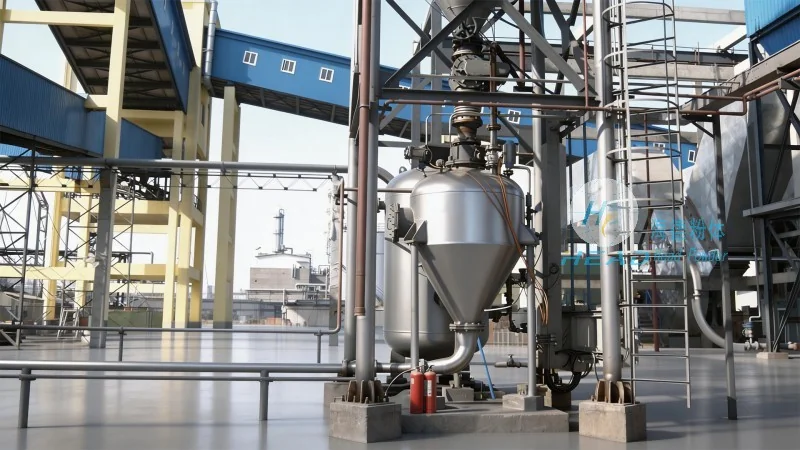
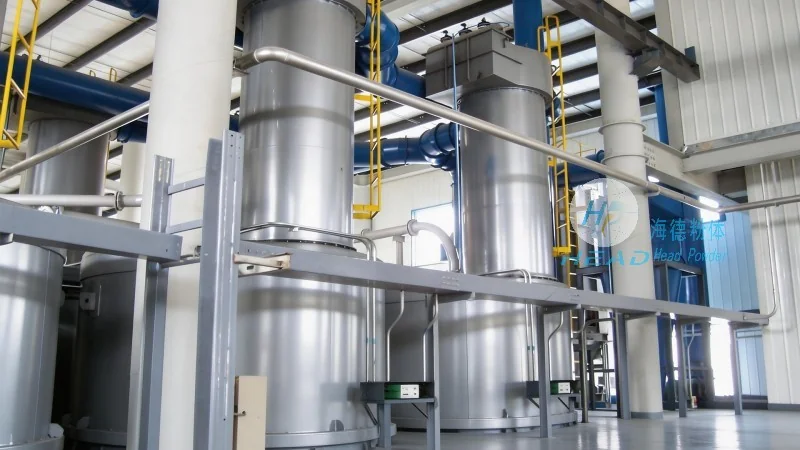
A robust limestone powder conveying system comprises several critical components working in harmony. These include blowers or compressors, pipelines, valves, and receiving hoppers. We utilize advanced materials for pipeline construction to resist abrasion and corrosion. The control system is equally important, providing real-time monitoring of pressure and flow to ensure stable operation. By integrating high-efficiency vacuum pumps or positive pressure blowers, we ensure that the limestone powder is transported gently and efficiently, preserving the quality of the material throughout the process.
Investing in a professional system from a reputable limestone powder pneumatic conveying manufacturer offers numerous benefits. Firstly, it significantly improves workplace safety by containing dust and preventing dust explosions, which are common risks with fine powders. Secondly, it reduces maintenance costs associated with mechanical conveyors by eliminating moving parts inside the pipeline. Thirdly, the automated nature of the system allows for remote control and easy integration with existing production lines, enhancing overall productivity.
Choosing the right partner for your material handling needs is crucial. Shandong Headpowder Engineering Co., Ltd. combines local expertise in Shandong with global engineering standards. Our commitment to quality control and customer service sets us apart. We provide comprehensive after-sales support, including installation guidance and maintenance training. Our reputation as a leading limestone powder pneumatic conveying manufacturer is built on years of successful project delivery across various industries.
If you are looking for a reliable solution for your material handling requirements, Shandong Headpowder Engineering Co., Ltd. is ready to assist you. Our team is dedicated to providing professional advice and top-tier equipment. For detailed discussions regarding your specific needs, please contact our project manager, Mr. Zhang. You can reach us via WeChat at 15662777102. We look forward to collaborating with you to design the perfect limestone powder pneumatic conveying scheme tailored to your facility.

 Shandong Headpowder Engineering Co., Ltd.
 156-6277-7102(Manager Zhang)
  0531-83386006
  Zhangqiu District, Jinan City, Shandong Province, China
telephone
WeChatconsult
top