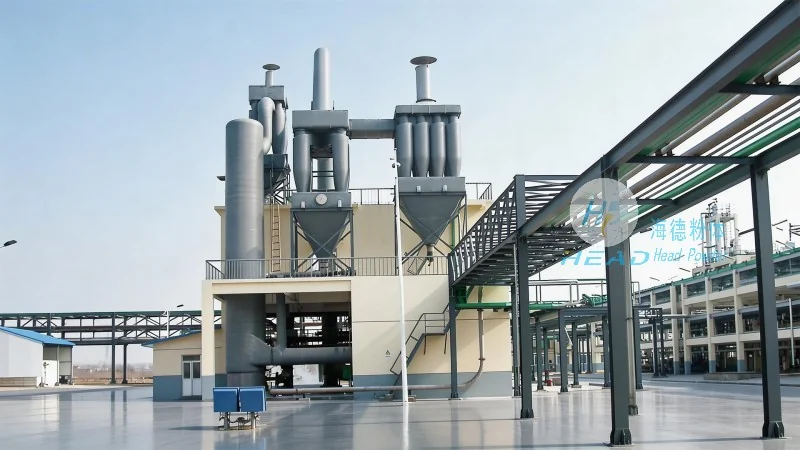
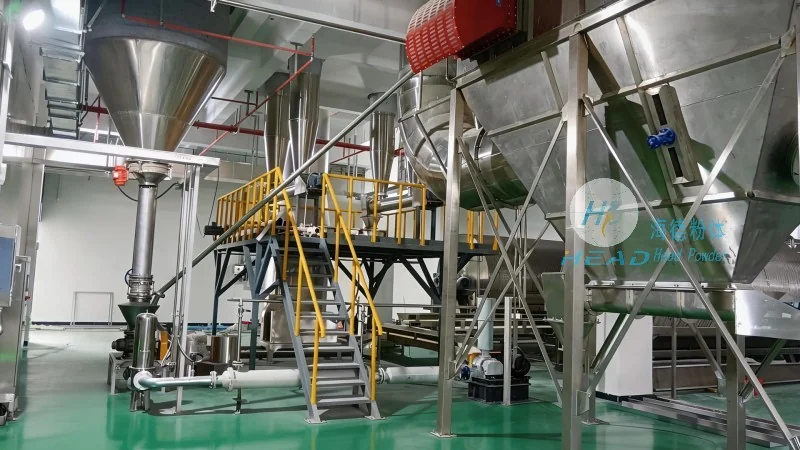
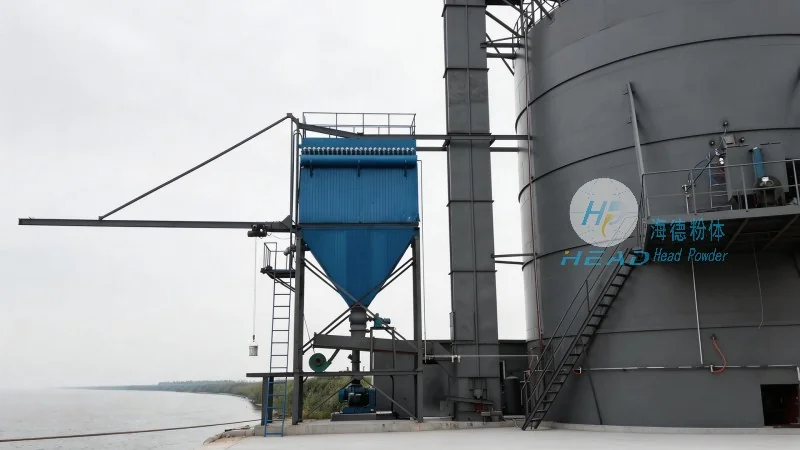
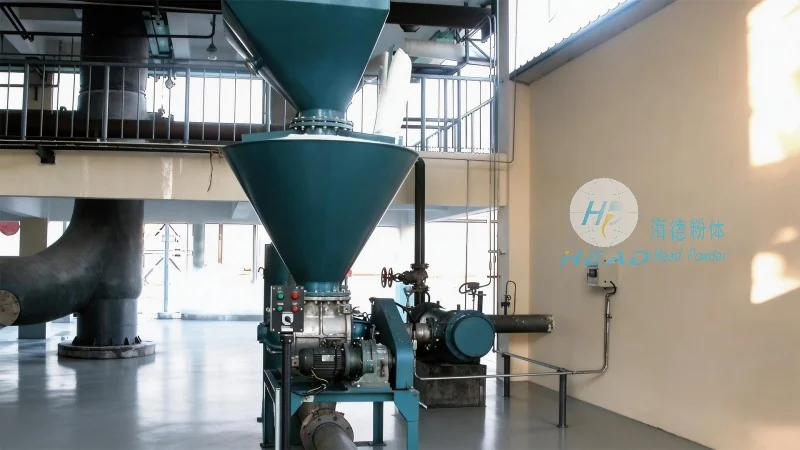
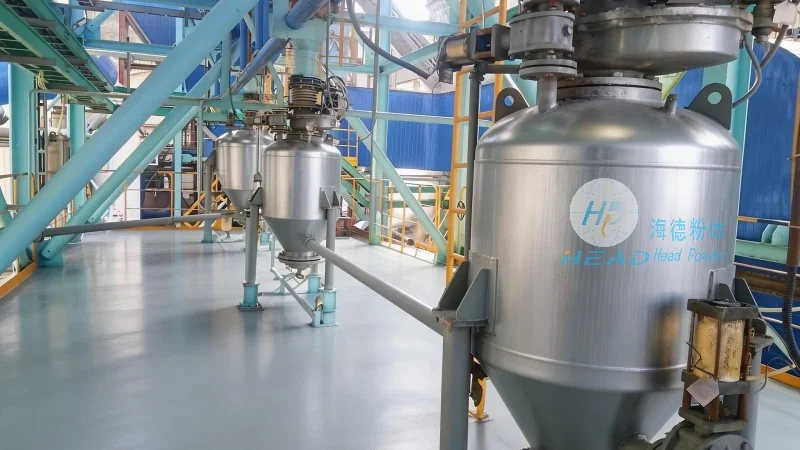
With more than 10‑year industry experience, Shandong Headpowder delivers full‑service pneumatic‑conveying systems and blowers, undertaking nationwide turn‑key powder‑handling projects.
PLA (Polylactic Acid) is a biodegradable thermoplastic derived from renewable resources such as corn starch or sugarcane. As the demand for sustainable materials grows across various industries, the need for efficient material handling systems becomes paramount. PLA granules, while environmentally friendly, possess specific characteristics that require specialized handling equipment to maintain their integrity. Unlike standard plastics, PLA can be sensitive to moisture and static electricity, and it can be brittle when processed at high temperatures. Therefore, standard bulk handling methods often fall short. This is where advanced engineering comes into play. A robust system must ensure that the granules are transported without degradation, minimizing dust generation and preventing cross-contamination. The goal is to achieve a seamless transition from the storage silo to the processing machine, ensuring a consistent flow of raw material that meets the high standards of modern manufacturing.
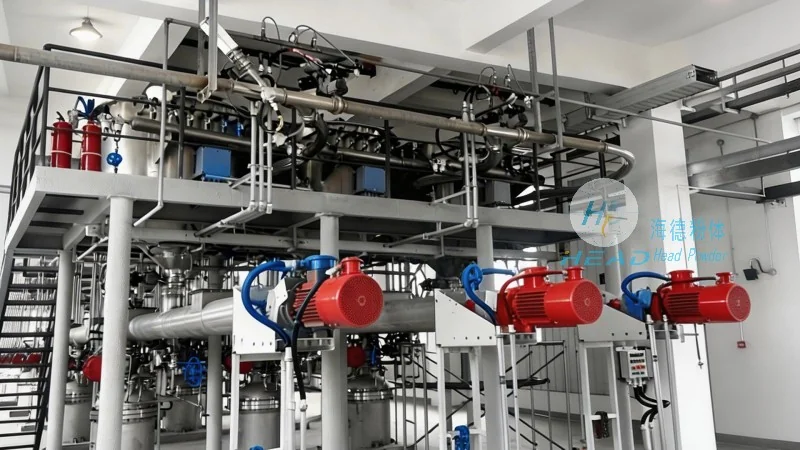
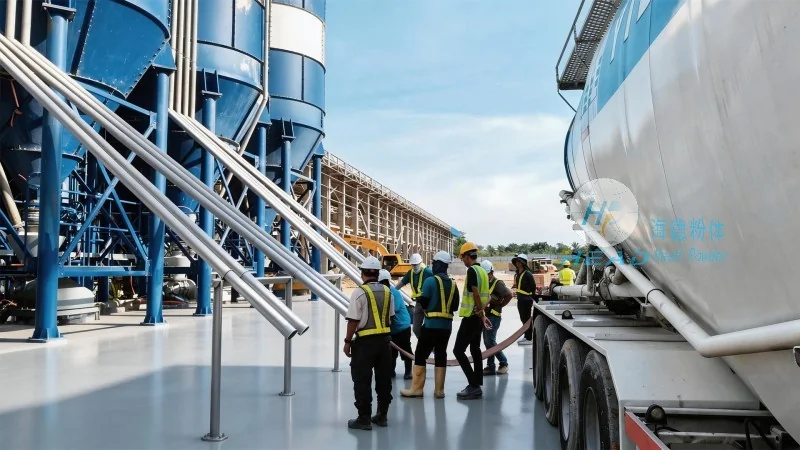
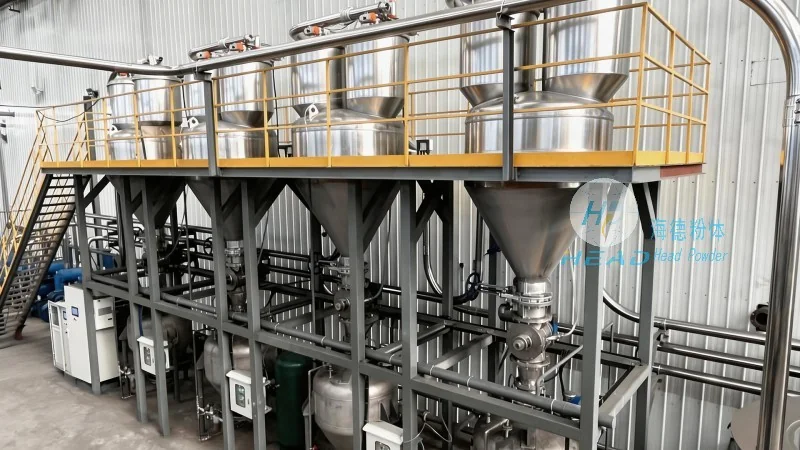
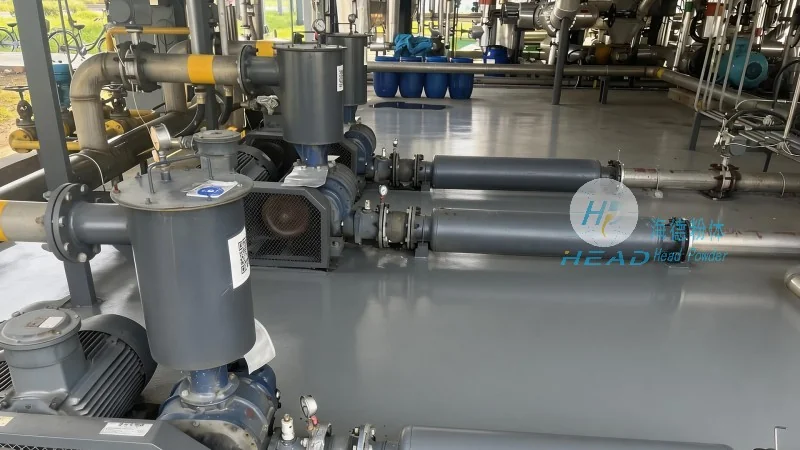
At the core of efficient logistics for biodegradable plastics is the PLA granular pneumatic conveying system. This technology utilizes a gas stream to move granules through enclosed pipelines, offering a clean and dust-free solution. Unlike mechanical conveyors that rely on belts or screws, pneumatic systems are ideal for handling fragile materials like PLA because they exert less mechanical stress on the granules. These systems operate either on vacuum or pressure principles, depending on the layout of the facility. A well-designed system will include high-efficiency blowers or vacuum pumps, precise rotary valves for feeding, and advanced separation equipment to ensure the material is completely separated from the air before entering the receiving vessel. By implementing a pneumatic conveying system, manufacturers can significantly reduce labor costs associated with manual transport and minimize material loss, which is critical for maintaining the economic viability of PLA production.
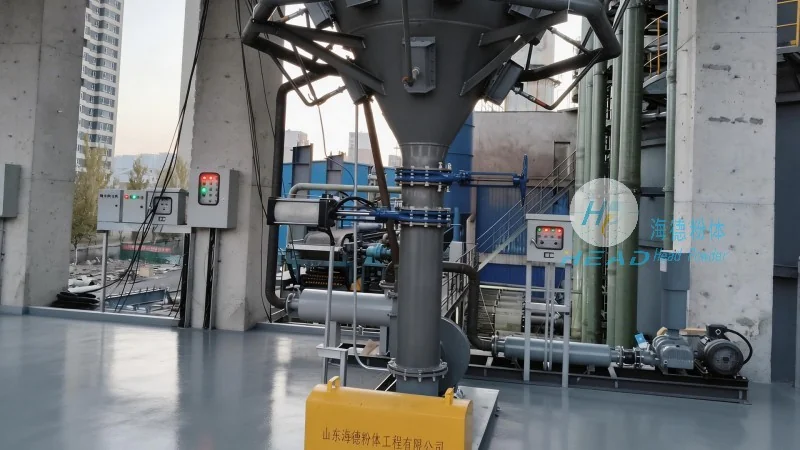
To support the seamless operation of the logistics chain, high-quality PLA granular pneumatic conveying equipment is essential. This equipment encompasses a wide range of components, each engineered to withstand the specific demands of transporting biodegradable polymers. Key components include the material feeding device, which controls the rate at which granules enter the pipeline, and the pipeline network itself, typically made of stainless steel to prevent corrosion and ensure hygiene. The system also relies on advanced filtration units to capture any fine dust particles, ensuring the environment remains clean and safe for workers. Furthermore, the control panels used in this equipment are designed for user-friendly operation, allowing operators to monitor pressure, flow rates, and system status in real-time. Investing in durable, high-performance equipment ensures that the PLA granules remain in optimal condition, preserving their chemical properties from the point of origin to the point of use.
Every manufacturing facility has unique spatial constraints and production requirements, which is why a one-size-fits-all approach is rarely effective. This is where specialized PLA granular pneumatic conveying solutions become invaluable. These solutions are custom-engineered to fit the specific layout of a plant, whether it is a compact laboratory setup or a sprawling industrial complex. The engineering team focuses on optimizing the flow path to minimize pressure drops and energy consumption. For instance, if a facility has multiple storage silos and a central processing unit, the solution will be designed to distribute material efficiently without congestion. Customization also extends to the specific type of material being handled; for example, systems may be modified to handle low-temperature granules or to incorporate anti-static measures to prevent dust explosion risks. By providing tailored solutions, engineers ensure that the material handling process integrates smoothly with the existing production line, enhancing overall operational efficiency.
When seeking a reliable partner for material handling technology, Shandong Headpowder Engineering Co., Ltd. stands out as a premier manufacturer. Located in Shandong, China, the company has built a strong reputation for delivering high-quality engineering solutions to the plastics and chemical industries. Headpowder specializes in the research, development, and production of pneumatic conveying systems tailored for granular materials. Their expertise lies in understanding the nuances of material behavior and translating that knowledge into robust mechanical designs. The company’s dedication to quality control means that every system leaving their facility undergoes rigorous testing to ensure reliability and longevity. By choosing Shandong Headpowder, clients gain access to a team of experienced engineers who are committed to providing innovative and efficient solutions that meet international standards.
Purchasing the right system is only the first step in a successful material handling operation. The ongoing support provided by the manufacturer is equally critical. Shandong Headpowder Engineering Co., Ltd. prides itself on offering comprehensive technical support and after-sales service. This includes detailed installation guidance to ensure the system is set up correctly from the start, as well as regular maintenance schedules to keep the equipment running at peak performance. The engineering team is available to troubleshoot any issues that may arise and to provide optimization services to improve system efficiency over time. This commitment to customer satisfaction ensures that clients can rely on their pneumatic conveying systems for years to come, minimizing downtime and maximizing productivity.
For businesses looking to upgrade their material handling capabilities or design a new system from scratch, Shandong Headpowder Engineering Co., Ltd. is the ideal partner. Their expertise in PLA granular handling ensures that your production process remains efficient, clean, and cost-effective. To discuss your specific requirements or to request a consultation, please contact Manager Zhang. You can reach the team directly via WeChat at 15662777102. The Headpowder team is ready to provide the professional support and engineering solutions needed to elevate your production standards.

 Shandong Headpowder Engineering Co., Ltd.
 156-6277-7102(Manager Zhang)
  0531-83386006
  Zhangqiu District, Jinan City, Shandong Province, China
telephone
WeChatconsult
top