With more than 10‑year industry experience, Shandong Headpowder delivers full‑service pneumatic‑conveying systems and blowers, undertaking nationwide turn‑key powder‑handling projects.
Efficient material transfer is a critical component in modern industrial processing, particularly when dealing with powdered chemicals like polyaluminum chloride. The handling of this chemical requires precision to ensure consistent quality and operational safety. Shandong Headpowder Engineering Co., Ltd. has established itself as a premier provider in this sector, specializing in the development and implementation of advanced material transport technologies. By leveraging cutting-edge engineering principles, the company addresses the unique challenges associated with transporting bulk powders, ensuring that facilities can maintain high throughput without compromising on safety or environmental standards.

When selecting a partner for bulk material handling, the expertise of the manufacturer is paramount. As a dedicated **polyaluminum chloride pneumatic conveying manufacturer**, Shandong Headpowder Engineering Co., Ltd. combines technical know-how with practical application experience. The company understands that every facility has distinct spatial constraints and production requirements. Therefore, the focus is not merely on selling equipment, but on providing a comprehensive solution that integrates seamlessly into existing production lines. The engineering team at headpowder meticulously designs systems that minimize material degradation and reduce energy consumption, which are essential factors for long-term operational profitability.
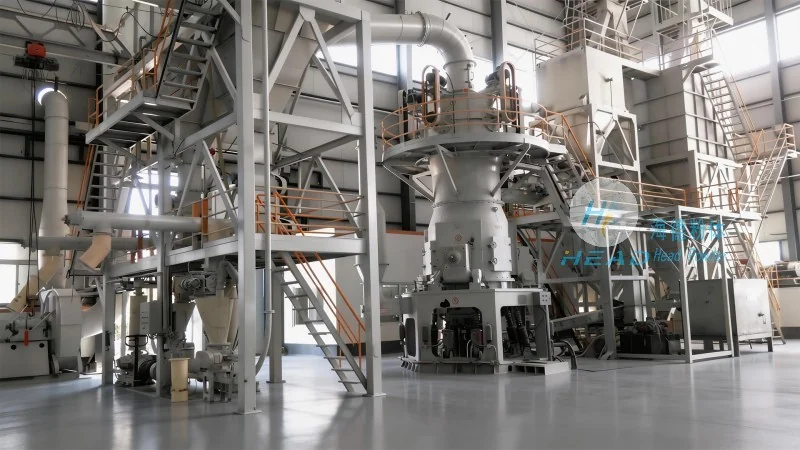
Standardized equipment often fails to meet the specific demands of complex chemical processing plants. This is why the company places a strong emphasis on offering tailored **polyaluminum chloride pneumatic conveying schemes**. A customized approach involves a thorough analysis of the plant layout, the chemical properties of the material, and the desired delivery rates. Whether the requirement involves long-distance horizontal transport or vertical lifting, the engineering team designs a specific flow path and pressure regime to achieve optimal results. This level of customization ensures that the material is delivered to its destination in the same condition it left the storage silo, preserving the integrity of the polyaluminum chloride for downstream applications.
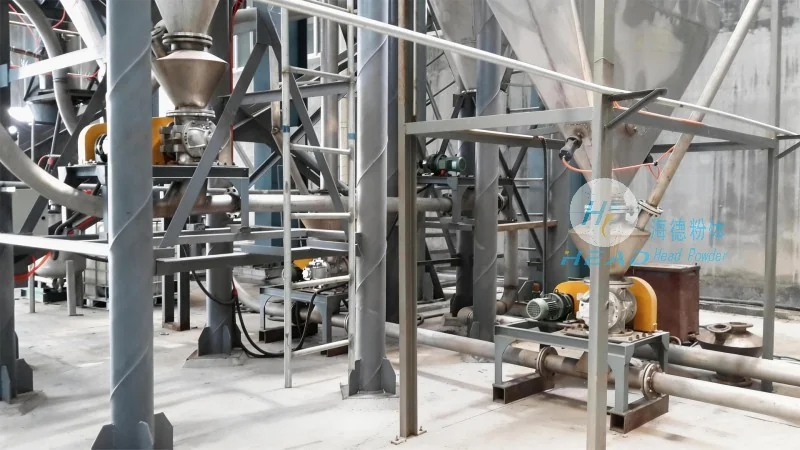
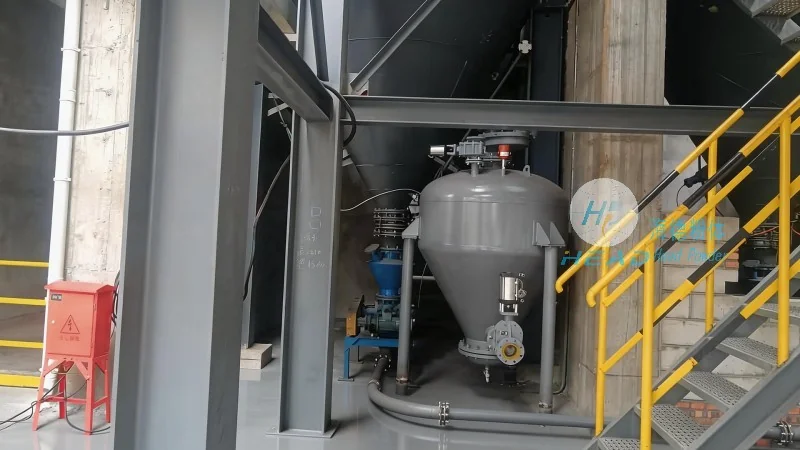
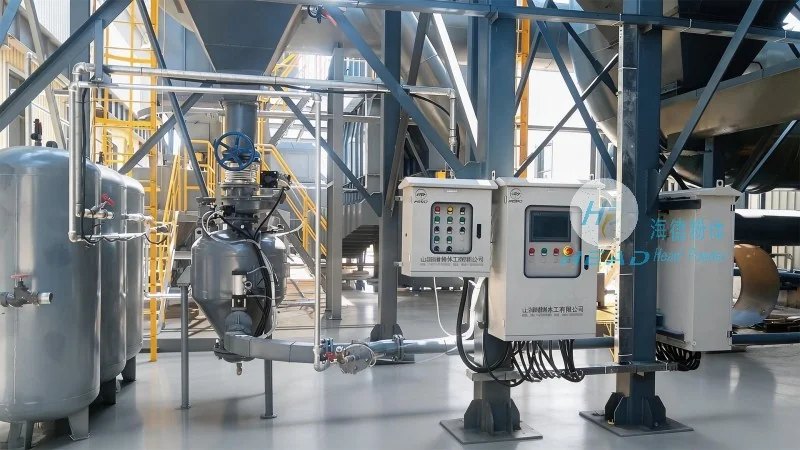
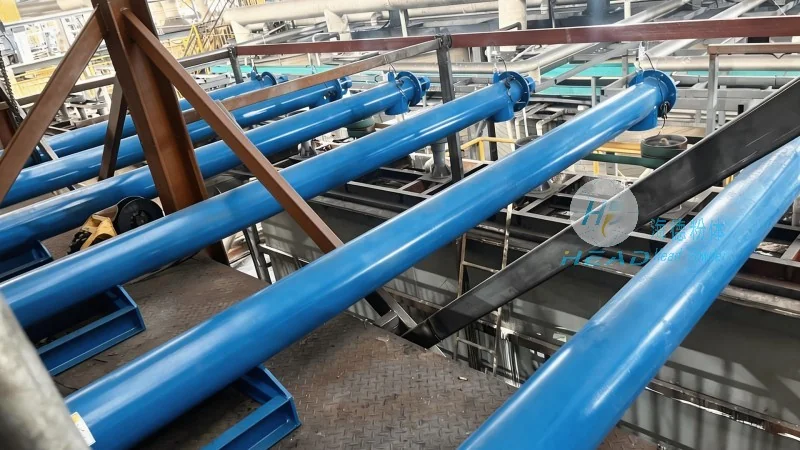
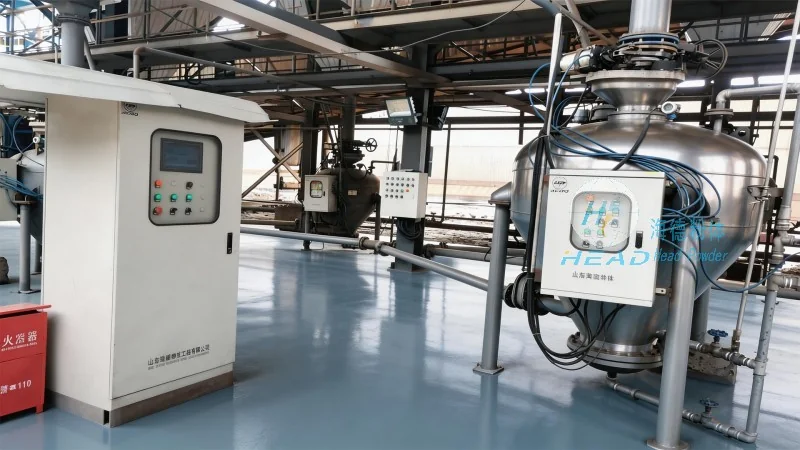
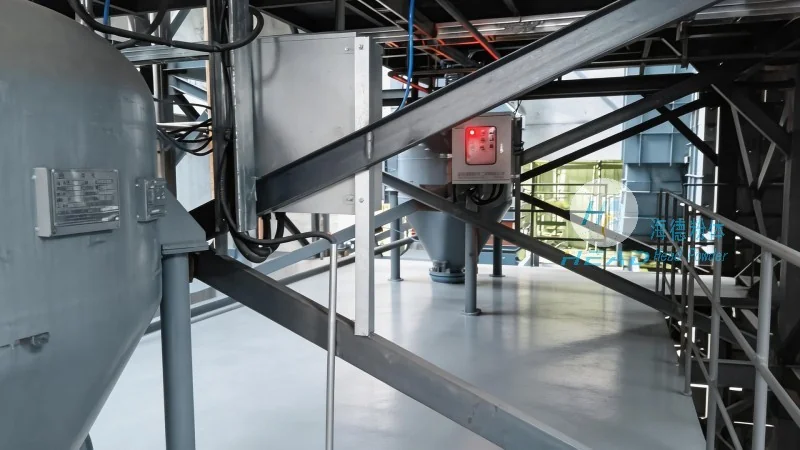
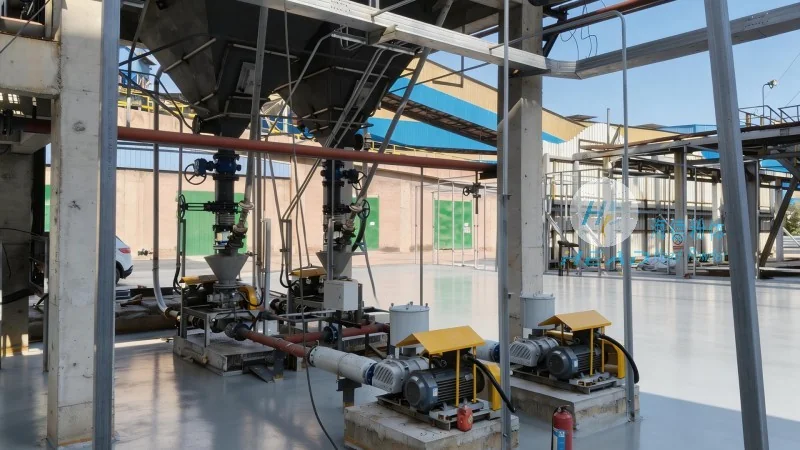
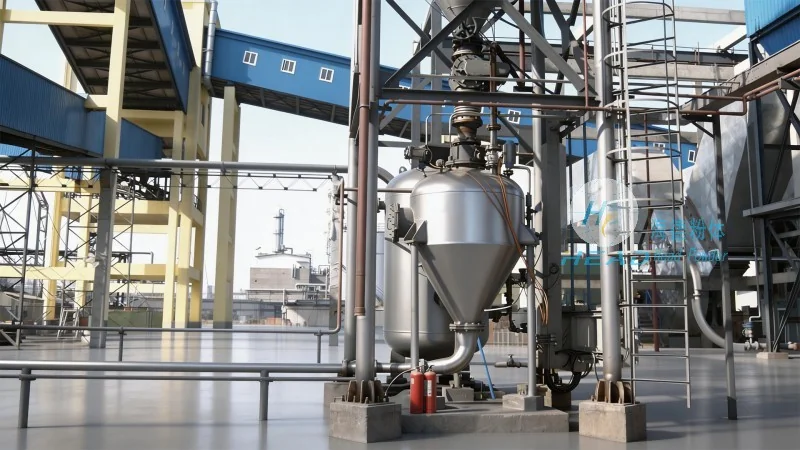
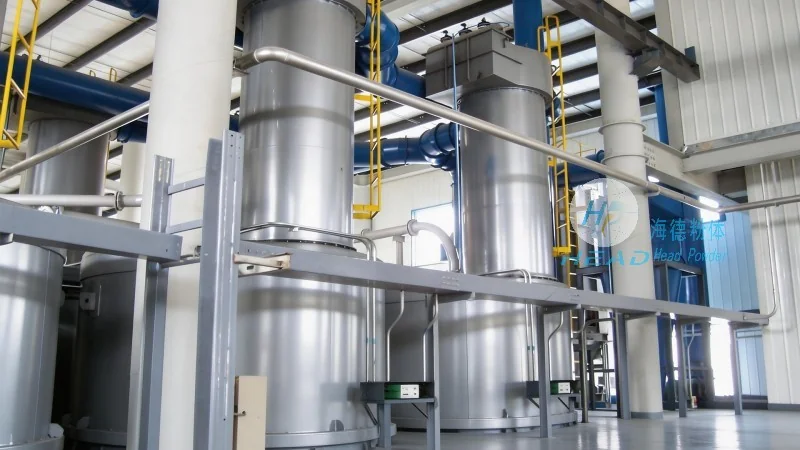
A robust **polyaluminum chloride conveying system** relies on a carefully selected array of components working in harmony. The system typically begins with a high-efficiency feeding device, such as a rotary valve or a screw feeder, which controls the precise rate of material introduction into the conveying pipeline. Following this, the transport phase utilizes compressed air to move the powder through a network of pipes. Shandong Headpowder Engineering Co., Ltd. utilizes high-quality piping materials that are resistant to abrasion and corrosion, ensuring a long service life even under the harsh conditions associated with chemical powders. The system is also equipped with advanced filtration units to prevent dust leakage, maintaining a clean and safe working environment.
The implementation of a pneumatic conveying system offers significant operational advantages over traditional mechanical conveying methods like bucket elevators or belt conveyors. Pneumatic systems are enclosed, which effectively eliminates dust explosions—a critical safety feature when handling combustible powders. Furthermore, they reduce the risk of material segregation and degradation that can occur during mechanical handling. Shandong Headpowder Engineering Co., Ltd. designs these systems with safety as a top priority, incorporating pressure relief valves and explosion-proof electrical components to protect the facility and its personnel. The result is a streamlined process that reduces labor costs and maintenance requirements.
Choosing the right engineering partner is essential for the successful deployment of a pneumatic conveying system. Shandong Headpowder Engineering Co., Ltd. stands out due to its commitment to quality and customer satisfaction. The company provides end-to-end support, from the initial site survey and system design to installation, commissioning, and after-sales service. Their team of engineers is proficient in the latest industry standards and technologies, ensuring that every system delivered meets rigorous performance benchmarks. By focusing on the specific needs of the client, the company ensures that the investment in material handling infrastructure yields a high return through increased efficiency and reliability.
For facilities looking to upgrade their material handling capabilities or seeking a reliable partner for new installations, Shandong Headpowder Engineering Co., Ltd. is ready to assist. Located in Shandong, China, the company serves a broad range of industries with its specialized engineering solutions. Interested clients are encouraged to reach out to the sales department to discuss their specific requirements. You may contact Zhang Manager directly via WeChat at 15662777102 for detailed consultations and quotations. The company remains dedicated to providing the highest quality **polyaluminum chloride pneumatic conveying solutions** to clients both domestically and internationally.

 Shandong Headpowder Engineering Co., Ltd.
 156-6277-7102(Manager Zhang)
  0531-83386006
  Zhangqiu District, Jinan City, Shandong Province, China
telephone
WeChatconsult
top