With more than 10‑year industry experience, Shandong Headpowder delivers full‑service pneumatic‑conveying systems and blowers, undertaking nationwide turn‑key powder‑handling projects.
Desulfurization and dust removal processes in industrial facilities generate large volumes of ash and sludge, which need to be transported efficiently and safely from the collection points to disposal or recycling sites. Pneumatic conveying systems have emerged as a reliable solution for handling these materials, offering advantages such as low maintenance, minimal space requirements, and the ability to transport materials over long distances without the need for intermediate storage or manual handling. This article provides an overview of the design, structure, and operational principles of pneumatic conveying equipment used for ash and dust removal from desulfurization processes.
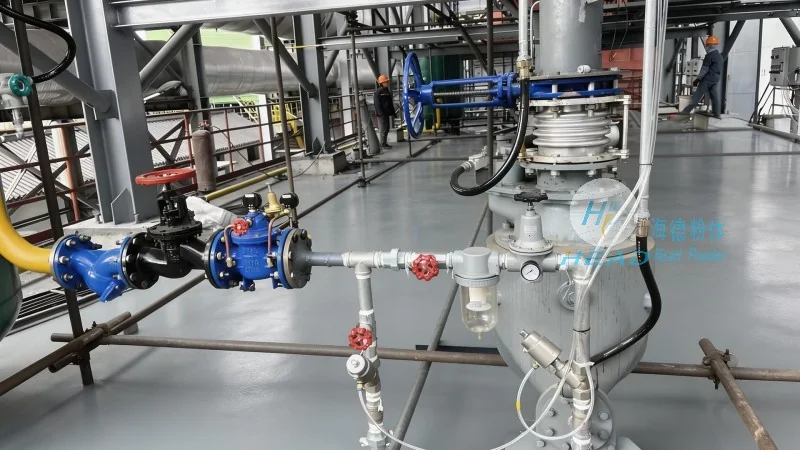
The pneumatic conveying system for desulfurization ash typically consists of several core components that work in tandem to ensure efficient material transport. The main components include a material feed hopper, a conveying pipeline, a blower or air compressor, a control valve system, and a discharge hopper or collection unit. The feed hopper is designed to hold the ash or dust, allowing for a controlled and consistent feed into the system. It often features a hopper with a conical bottom and a discharge valve that can be regulated to control the flow rate of the material. The conveying pipeline is usually made of stainless steel or other corrosion-resistant materials to withstand the acidic and abrasive nature of the ash. The pipeline is equipped with bends, elbows, and straight sections as needed to navigate the path from the feed point to the discharge point. The blower or air compressor provides the necessary air pressure and volume to move the material through the pipeline. It is typically a positive displacement blower or a centrifugal fan, selected based on the material's properties and the required conveying distance. The control valve system includes components such as check valves, pressure relief valves, and flow control valves that regulate the air pressure and material flow, ensuring smooth operation and preventing blockages or overpressurization. The discharge hopper or collection unit is where the ash is deposited after being conveyed. It may include a hopper with a discharge outlet that connects to a storage or disposal system.
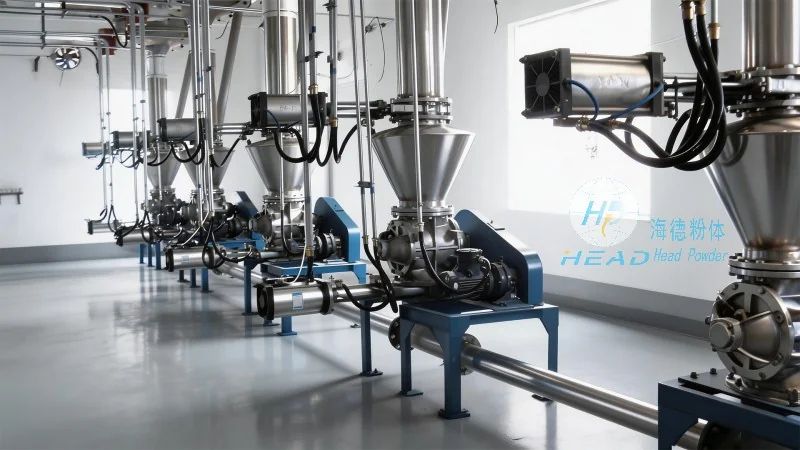
The operation of the pneumatic conveying system for desulfurization ash is based on the principle of air suspension and transport. The process begins with the material being fed into the conveying pipeline from the feed hopper. Simultaneously, the blower or air compressor supplies high-pressure air into the pipeline. The air and material mix in the pipeline, creating a suspension where the particles are carried by the air stream. The air velocity in the pipeline must be sufficient to overcome the gravitational force and the frictional resistance of the particles, ensuring that the material remains suspended and moves along the pipeline. The conveying system can operate in either positive or negative pressure modes. In positive pressure systems, the pipeline is pressurized above atmospheric pressure, and the material is pushed through the pipeline. In negative pressure systems, the pipeline is maintained at a lower pressure than the surrounding atmosphere, and the material is sucked into the pipeline. The choice between positive and negative pressure depends on factors such as the distance to be covered, the material's properties, and the need to prevent dust emissions. The control valve system monitors and adjusts the air pressure and flow rate to maintain optimal conditions for conveying. When the material reaches the discharge hopper, the air flow is reduced or stopped, and the material is deposited due to gravity. The system may also include a filter or dust collector to capture any fine particles that may escape from the discharge point, ensuring compliance with environmental regulations.
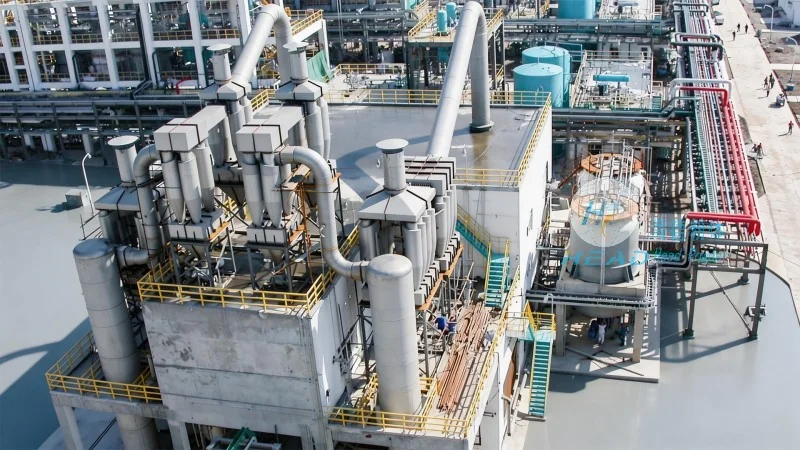
Pneumatic conveying equipment offers several advantages when used for transporting ash and dust from desulfurization processes. One of the primary benefits is the ability to handle abrasive and corrosive materials without causing wear or damage to the equipment. The use of stainless steel or other corrosion-resistant materials in the pipeline and components ensures long service life and minimal maintenance. Another advantage is the low space requirement, as the system can be installed in a compact area, making it suitable for facilities with limited space. The system also provides a continuous and uniform flow of material, which helps in maintaining consistent operation and reducing downtime. Additionally, pneumatic conveying systems are relatively easy to install and integrate with existing desulfurization equipment, requiring minimal modifications to the facility. The ability to transport materials over long distances without intermediate storage points reduces the need for additional storage facilities and associated costs. Furthermore, the system can be equipped with safety features such as pressure relief valves and dust collection systems, ensuring safe operation and compliance with environmental regulations. The overall efficiency of the system is high, as it can transport large volumes of material with minimal energy consumption compared to other conveying methods such as belt conveyors or bucket elevators.

Shandong HeadPowder Engineering Co., Ltd., commonly known as HeadPowder, is a leading manufacturer and supplier of pneumatic conveying equipment and related solutions for industrial applications. With a strong focus on innovation and quality, HeadPowder has established itself as a trusted partner for facilities involved in desulfurization, dust removal, and material handling. The company's products are designed to meet the specific requirements of industrial processes, ensuring efficient and reliable operation. HeadPowder's team of engineers and technicians has extensive experience in the design and manufacturing of pneumatic conveying systems, and they work closely with clients to develop customized solutions that address their unique needs. The company's facilities are equipped with advanced manufacturing equipment and quality control systems, ensuring that all products meet or exceed industry standards. HeadPowder is committed to providing high-quality products and excellent customer service, and they have a strong reputation for delivering reliable and durable equipment that helps clients improve their operational efficiency and reduce costs. The company's headquarters is located in Shandong, China, and they serve clients both domestically and internationally, with a focus on providing solutions that meet the needs of various industries, including power generation, chemical, and cement.

 Shandong Headpowder Engineering Co., Ltd.
 156-6277-7102(Manager Zhang)
  0531-83386006
  Zhangqiu District, Jinan City, Shandong Province, China
telephone
WeChatconsult
top