With more than 10‑year industry experience, Shandong Headpowder delivers full‑service pneumatic‑conveying systems and blowers, undertaking nationwide turn‑key powder‑handling projects.
Shandong HeadPowder Engineering Co., Ltd., commonly known as headpowder, is a professional manufacturer based in Shandong, China. The company specializes in the design, development, and production of pneumatic conveying systems, particularly for iron turnings material transportation. This article provides an in-depth overview of the operation process and working principle of iron turnings material pneumatic conveying systems, highlighting the key components and functional mechanisms involved.
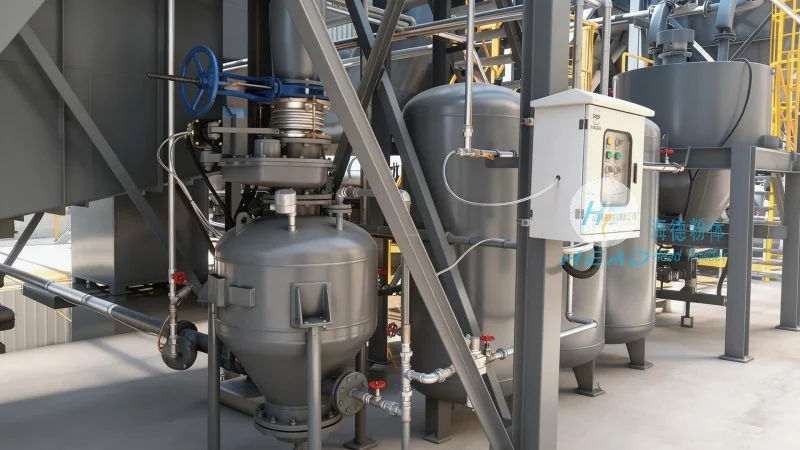
A pneumatic conveying system for iron turnings is a technology that utilizes compressed air or other gases to transport iron turnings particles from a source to a destination. This method is widely adopted in industrial applications due to its efficiency, flexibility, and ability to handle various particle sizes and moisture content. The system typically consists of several core components, including a feeder, a compressor, a conveying pipeline, a control system, and a discharge unit.
The operation process of an iron turnings pneumatic conveying system involves several sequential steps. Initially, the iron turnings are fed into the system through a feeder, which can be a screw feeder, a rotary valve, or a hopper with a gate valve. The feeder ensures a consistent and controlled flow of material into the conveying pipeline. Simultaneously, a compressor generates high-pressure air, which is then introduced into the pipeline. The compressed air creates a flow that propels the iron turnings along the pipeline. As the material travels through the pipeline, it is carried by the air stream, overcoming gravitational forces and any resistance within the system. Upon reaching the discharge point, the iron turnings are released from the pipeline. The system then uses a separation device, such as a cyclone or a bag filter, to separate the iron turnings from the air. The separated air is cleaned and discharged, while the iron turnings are collected for further processing or storage.
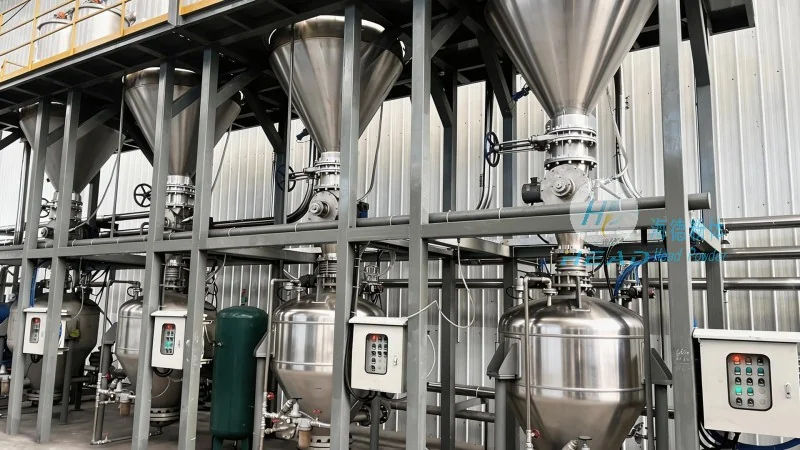
The working principle of the iron turnings pneumatic conveying system is based on fluid dynamics and the interaction between solid particles and gas flow. The system operates by creating a gas-solid two-phase flow within the conveying pipeline. The compressed air provides the necessary kinetic energy to lift and transport the iron turnings. The key forces acting on the iron turnings include lift force, drag force, and gravity. The lift force is generated by the pressure difference between the air and the particles, while the drag force is the resistance exerted by the air on the particles. By adjusting the air pressure, flow rate, and pipeline diameter, the system can optimize the conveying efficiency and ensure stable operation. The control system monitors parameters such as pressure, flow rate, and material level, allowing for real-time adjustments to maintain optimal performance.
Several critical components contribute to the effective operation of the iron turnings pneumatic conveying system. The feeder is responsible for supplying the iron turnings to the system at a controlled rate. The compressor generates the compressed air required for conveying. The conveying pipeline, usually made of stainless steel or other corrosion-resistant materials, transports the iron turnings and air. The control system manages the operation of the feeder, compressor, and other components, ensuring smooth and efficient operation. The discharge unit and separation device are essential for safely releasing the iron turnings and separating them from the air. Each component plays a vital role in the overall performance and reliability of the system.
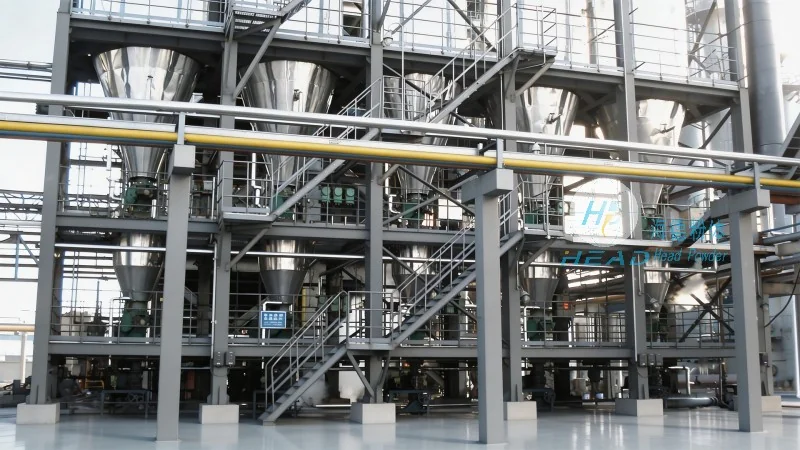
The iron turnings pneumatic conveying system offers several advantages over traditional material handling methods. It provides a dust-free and enclosed environment, reducing the risk of contamination and improving workplace safety. The system is also highly efficient, capable of transporting large volumes of iron turnings over long distances with minimal energy consumption. Additionally, it is flexible and can be easily integrated into existing production lines. The low maintenance requirements and long service life of the system make it a cost-effective solution for industrial applications.
The iron turnings pneumatic conveying system is widely used in various industrial sectors, including metal processing, foundries, and recycling facilities. In metal processing plants, it is used to transport iron turnings from the production line to storage or further processing units. In foundries, the system helps in moving molten metal turnings to casting areas or waste disposal sites. In recycling facilities, it is employed to convey iron turnings for reprocessing or recycling. The system's adaptability and efficiency make it suitable for a wide range of applications where reliable and efficient material transport is required.

 Shandong Headpowder Engineering Co., Ltd.
 156-6277-7102(Manager Zhang)
  0531-83386006
  Zhangqiu District, Jinan City, Shandong Province, China
telephone
WeChatconsult
top