With more than 10‑year industry experience, Shandong Headpowder delivers full‑service pneumatic‑conveying systems and blowers, undertaking nationwide turn‑key powder‑handling projects.
For industries dealing with crystalline materials, efficient and reliable material handling is crucial. Pneumatic conveying systems offer a solution that ensures safe, clean, and effective transport of these materials. This article explores the operation process and working principle of such systems, highlighting their benefits and the technology behind them.
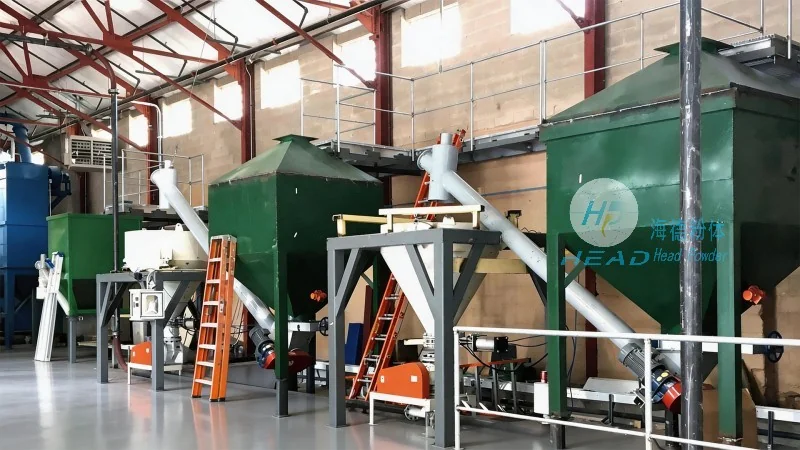
Pneumatic conveying systems are designed to transport bulk materials, including crystalline powders and granules, through a pipeline using air or other gases. These systems are widely used in pharmaceuticals, food processing, chemical manufacturing, and other industries where material purity and contamination control are paramount. The core components of a typical pneumatic conveying system include a hopper, feeder, conveying line, and receiver. Each component plays a vital role in the overall operation, ensuring smooth and continuous material transport.
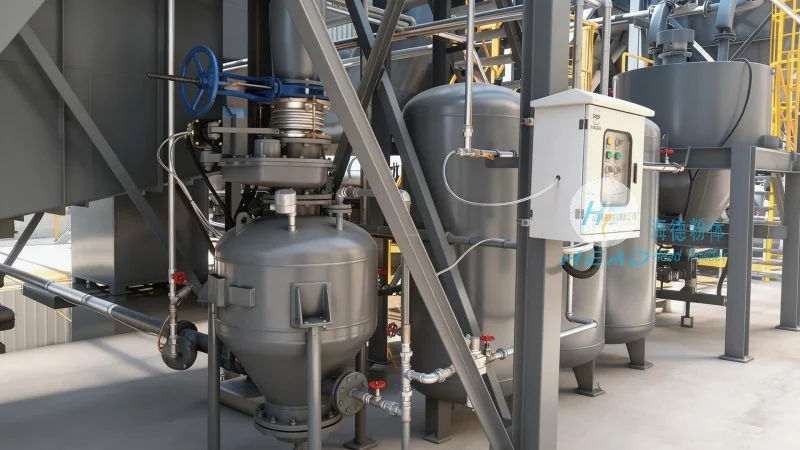
The operation process of pneumatic conveying for crystalline materials involves several key steps. First, the crystalline material is fed into the hopper from a storage silo or container. The feeder then controls the flow rate of the material into the conveying line. As the material enters the pipeline, it is mixed with air or gas, creating a slurry or dilute phase flow. The air velocity is carefully managed to ensure the material particles are suspended and transported efficiently. The conveying line may include bends, filters, or other components to maintain the flow and prevent blockages. Finally, the material is deposited into the receiver, where it is collected for further processing or storage.
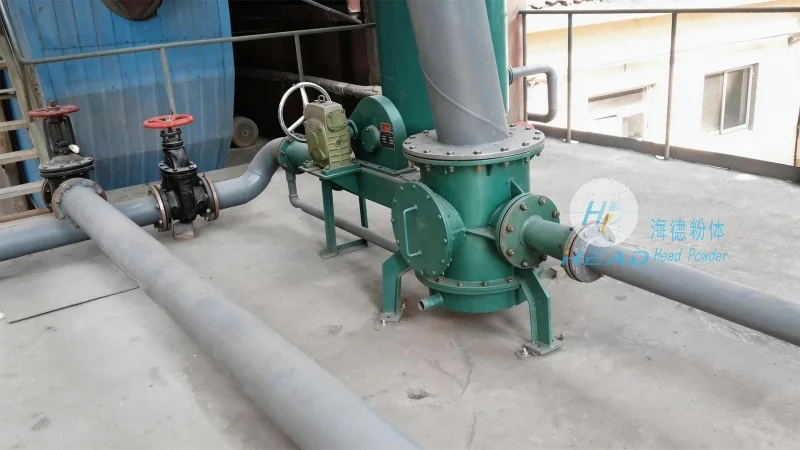
The working principle of pneumatic conveying relies on the principles of fluid dynamics and particle suspension. When air is introduced into the conveying line at a sufficient velocity, it creates a low-pressure zone that draws the crystalline material into the pipeline. The material particles are then suspended in the air stream, moving along the pipeline due to the air's kinetic energy. The system's design, including the size of the hopper, the type of feeder, and the diameter and length of the conveying line, all influence the efficiency and capacity of the system. Proper air pressure and flow rate are critical to maintaining the material's suspension and preventing clogging or degradation.
Implementing pneumatic conveying systems for crystalline materials offers numerous advantages. These systems provide a closed-loop transport process, minimizing dust emissions and contamination risks. They are also flexible, allowing for horizontal, vertical, or mixed-direction conveying, adapting to various plant layouts. Additionally, pneumatic conveying can handle a wide range of material properties, including different particle sizes, densities, and moisture contents. The technology is energy-efficient compared to traditional mechanical conveying methods, reducing operational costs and environmental impact.
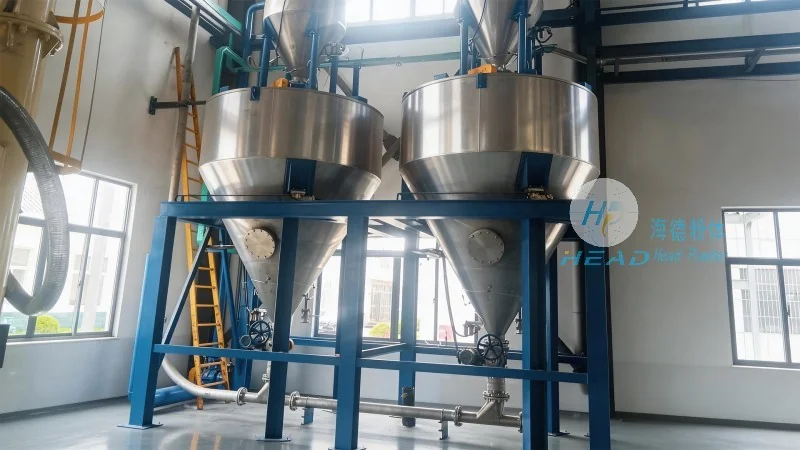
Shandong HeadPowder Engineering Co., Ltd., commonly known as HeadPowder, is a leading manufacturer and supplier of advanced material handling solutions. With a focus on innovation and quality, HeadPowder specializes in designing and manufacturing pneumatic conveying systems tailored to the specific needs of industries handling crystalline materials. The company's headquarters is located in Shandong, China, where it leverages local expertise and resources to develop cutting-edge technologies. HeadPowder's commitment to customer satisfaction and product reliability has established it as a trusted partner in the material handling industry.

 Shandong Headpowder Engineering Co., Ltd.
 156-6277-7102(Manager Zhang)
  0531-83386006
  Zhangqiu District, Jinan City, Shandong Province, China
telephone
WeChatconsult
top