With more than 10‑year industry experience, Shandong Headpowder delivers full‑service pneumatic‑conveying systems and blowers, undertaking nationwide turn‑key powder‑handling projects.
Understanding the pneumatic conveying of sodium phosphate materials is crucial for optimizing material handling in industrial settings. This process involves the efficient transport of bulk materials like sodium phosphate using air as the conveying medium. The technology is widely adopted due to its ability to handle various material characteristics while ensuring minimal product degradation and operational efficiency.
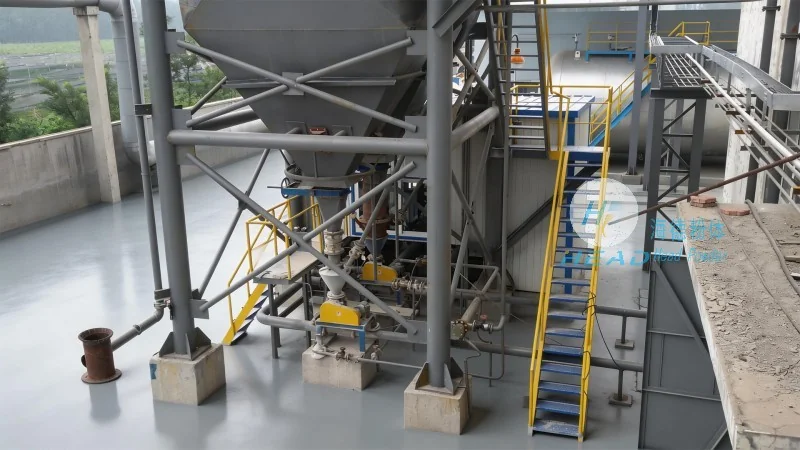
HeadPowder, a leading provider in the field, specializes in engineering solutions for material handling systems. With a strong presence in China, particularly in Shandong, the company has built a reputation for delivering high-quality pneumatic conveying systems tailored to the unique needs of sodium phosphate applications. Their expertise lies in designing and implementing systems that ensure reliable and efficient material transport, supporting industrial operations with precision and durability.
The core principle of pneumatic conveying for sodium phosphate materials revolves around the use of air pressure to move particles through a pipeline. In a typical system, the sodium phosphate is introduced into a hopper or feeder, where it is then drawn into a conveying line by a vacuum or pressure source. The air flow creates a suspension of the material particles, allowing them to be transported over long distances without the need for mechanical components like belts or buckets. This method is particularly effective for handling fine or powdery sodium phosphate, as it minimizes the risk of clogging and ensures consistent flow rates.
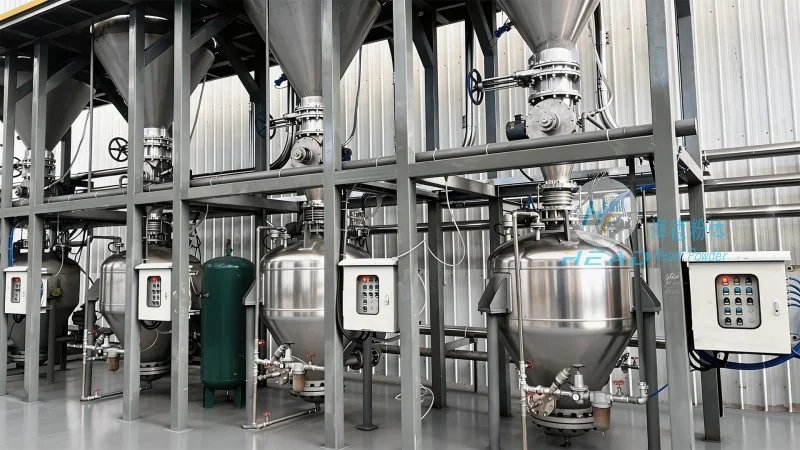
A pneumatic conveying system for sodium phosphate typically consists of several critical components, each playing a vital role in the overall operation. The primary components include the feed hopper, which stores and meters the material; the air mover (either a vacuum pump or a positive displacement blower), which generates the necessary air pressure or vacuum; the conveying line, which transports the material-air mixture; and the receiver or discharge hopper, where the material is collected. Additionally, filters and cyclones may be integrated to separate the material from the air, ensuring that the system operates cleanly and efficiently. Each component is designed to handle the specific properties of sodium phosphate, such as its particle size, density, and flow characteristics, to maintain optimal performance.
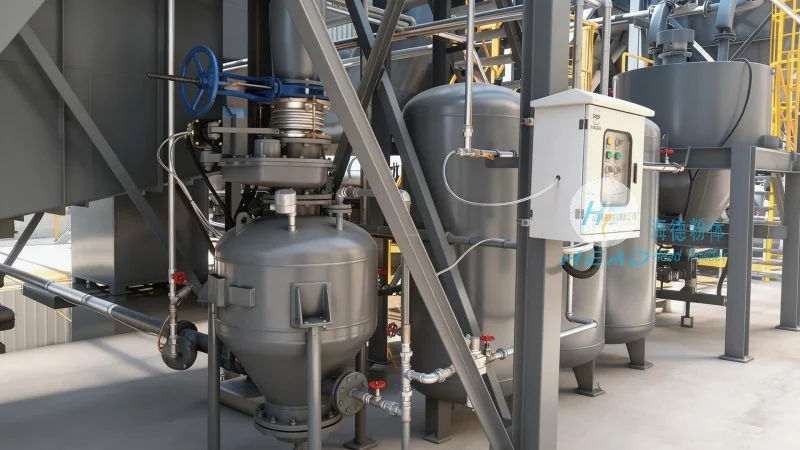
The operation process of a pneumatic conveying system for sodium phosphate begins with material loading into the feed hopper. The hopper is equipped with a feeder mechanism, such as a rotary valve or a screw feeder, which controls the flow rate of the material into the conveying line. The air mover then activates, creating a vacuum or pressure that draws the material-air mixture into the pipeline. As the mixture travels through the conveying line, it may encounter bends, expansions, or other components that help maintain the suspension of the particles. Upon reaching the discharge point, the material is separated from the air using a receiver or cyclone, and the air is either recirculated or vented, depending on the system design. This process ensures that the sodium phosphate is delivered to its destination with minimal loss and maximum efficiency.
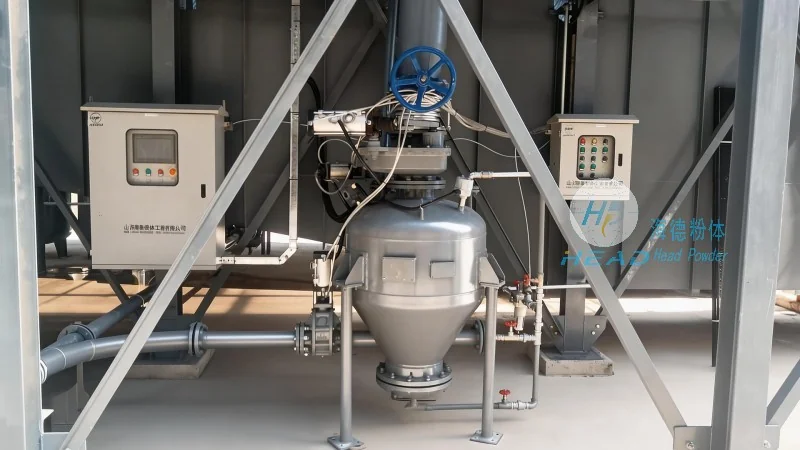
Implementing pneumatic conveying for sodium phosphate offers several advantages over traditional mechanical conveying methods. These include reduced equipment wear and tear, as there are no moving parts in direct contact with the material, and lower maintenance costs. Additionally, the system can handle a wide range of particle sizes and moisture contents, making it versatile for various sodium phosphate applications. However, there are also considerations to keep in mind, such as the need for proper air filtration to prevent dust accumulation and the importance of maintaining consistent air pressure to ensure reliable operation. HeadPowder's expertise in system design helps address these considerations, ensuring that their pneumatic conveying solutions are tailored to the specific requirements of each sodium phosphate application.
In summary, the pneumatic conveying of sodium phosphate materials is a highly effective method for industrial material handling. By leveraging air as the conveying medium, this technology provides efficient, reliable, and low-maintenance transport of sodium phosphate. Companies like Shandong HeadPowder Engineering Co., Ltd. play a crucial role in designing and implementing these systems, ensuring that industrial operations can handle sodium phosphate with precision and efficiency. The combination of advanced engineering and practical application makes pneumatic conveying an ideal solution for sodium phosphate material transport, supporting the needs of various industries with consistent performance and durability.

 Shandong Headpowder Engineering Co., Ltd.
 156-6277-7102(Manager Zhang)
  0531-83386006
  Zhangqiu District, Jinan City, Shandong Province, China
telephone
WeChatconsult
top