With more than 10‑year industry experience, Shandong Headpowder delivers full‑service pneumatic‑conveying systems and blowers, undertaking nationwide turn‑key powder‑handling projects.
Shandong HeadPowder Engineering Co., Ltd. is a professional manufacturer specializing in the design, production, and supply of advanced pneumatic conveying equipment. The company is headquartered in Shandong, China, and serves clients globally with high-quality solutions for material handling in various industries.
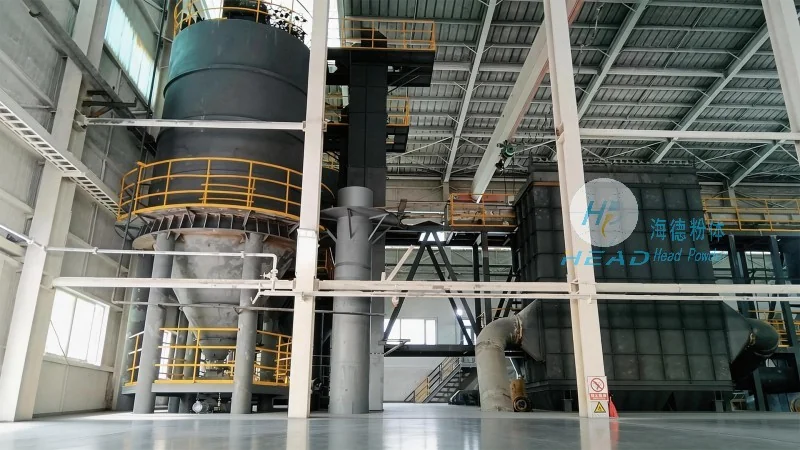
Anhydrous sodium sulfate, also known as anhydrous sodium sulfate or anhydrous sodium sulfate, is a white crystalline powder widely used in chemical, pharmaceutical, and food industries. The pneumatic conveying equipment designed for this material is engineered to handle its dry, non-abrasive properties efficiently. This equipment ensures safe and reliable transport of anhydrous sodium sulfate from storage to processing units, minimizing material loss and contamination risks.
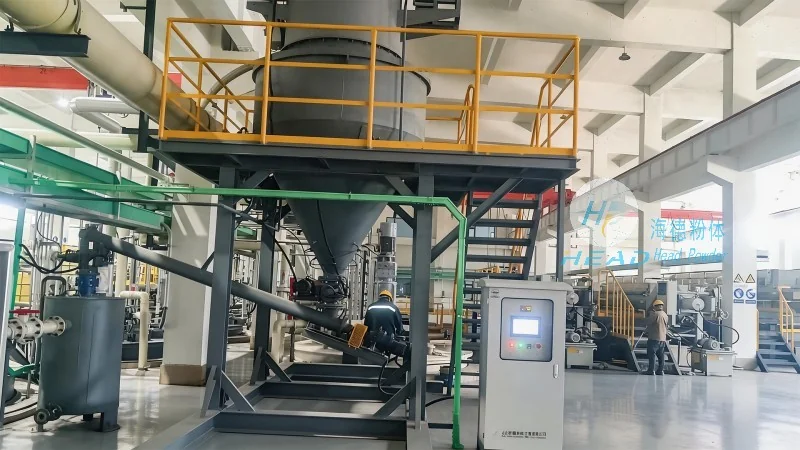
The working principle of the anhydrous sodium sulfate pneumatic conveying system relies on the interaction between compressed air and the material particles. When compressed air is introduced into the conveying line, it creates a pressure differential that drives the anhydrous sodium sulfate forward. The air velocity is critical; it must be high enough to keep the particles in suspension but not so high as to cause excessive wear on the pipeline or equipment components. The system may use a combination of positive and negative pressure conveying, depending on the application. Positive pressure systems blow air into the line, while negative pressure systems create a vacuum to draw material. For anhydrous sodium sulfate, a positive pressure system is often preferred due to its ability to handle longer conveying distances and higher material loads. The equipment includes a hopper with a discharge valve, which controls the material flow rate. The rotary valve ensures a consistent feed, preventing surges that could lead to blockages. The conveying line is typically made of stainless steel or other corrosion-resistant materials to withstand the chemical properties of anhydrous sodium sulfate and the effects of compressed air.
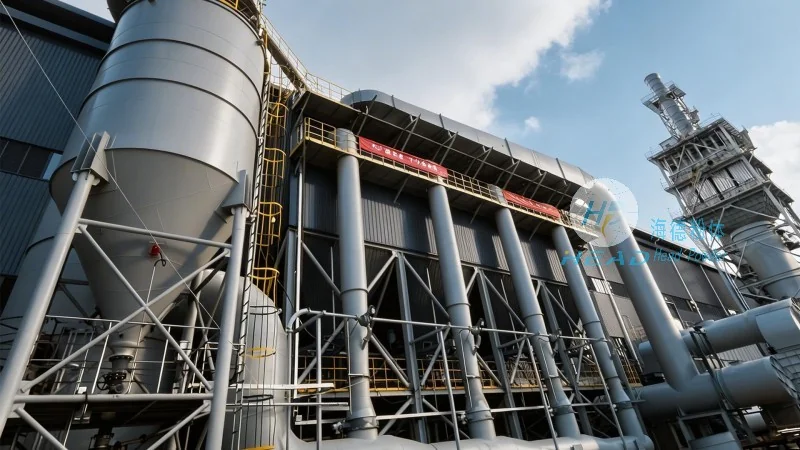
The operation process begins with the loading of anhydrous sodium sulfate into the storage hopper. The hopper is equipped with a level indicator to monitor the material volume. The rotary valve, located at the bottom of the hopper, is controlled by an electric actuator that adjusts the opening size based on the system's requirements. The compressed air is supplied from an air compressor, and the pressure is regulated using a pressure regulator to maintain a stable pressure within the system. The air is then introduced into the conveying line through a venturi or a direct connection, depending on the design. As the material is discharged from the hopper into the line, the compressed air propels it forward. The conveying line may include bends or changes in direction, which are designed with smooth transitions to minimize pressure losses and prevent material deposition. The receiving hopper at the end of the line collects the anhydrous sodium sulfate, and its level is monitored to ensure proper filling. The system's control panel displays real-time data such as air pressure, flow rate, and material level, allowing operators to adjust settings as needed. Regular maintenance is performed to ensure the equipment operates efficiently, including cleaning the hopper and conveying line to prevent material buildup and checking the air compressor for proper performance.

 Shandong Headpowder Engineering Co., Ltd.
 156-6277-7102(Manager Zhang)
  0531-83386006
  Zhangqiu District, Jinan City, Shandong Province, China
telephone
WeChatconsult
top