With more than 10‑year industry experience, Shandong Headpowder delivers full‑service pneumatic‑conveying systems and blowers, undertaking nationwide turn‑key powder‑handling projects.
HeadPowder, a leading engineering company based in Shandong, China, specializes in the design and implementation of advanced pneumatic conveying systems tailored for the transportation of cement dry ash materials. This article delves into the fundamental principles behind these systems and highlights the key characteristics of their operational environments.
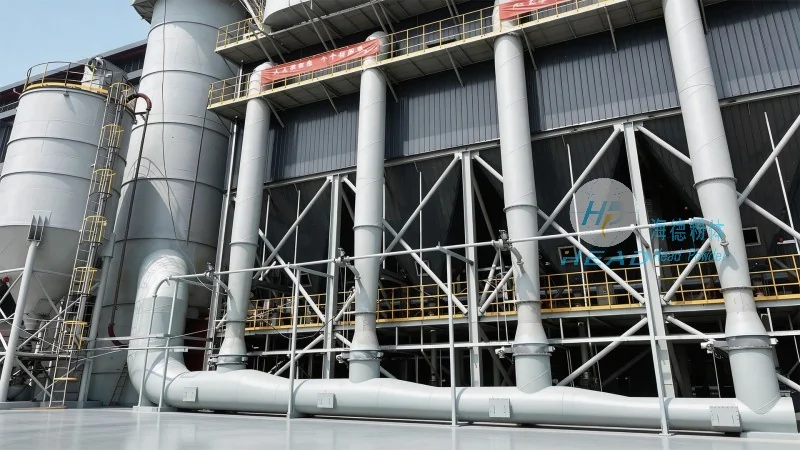
The core principle of pneumatic conveying lines involves the use of compressed air to transport dry bulk materials, such as cement ash, through a pipeline system. This method eliminates the need for traditional mechanical conveyors, reducing maintenance costs and improving operational efficiency. The system typically consists of a blower or air compressor, a hopper for material storage, a conveying pipeline, and a discharge point. As the compressed air is introduced into the hopper, it creates a low-pressure zone that draws the dry ash material into the pipeline. The air then propels the material forward, ensuring a continuous and controlled flow. The design of the conveying line, including the diameter of the pipeline, the air pressure, and the material's properties, is crucial for optimizing performance and minimizing energy consumption.
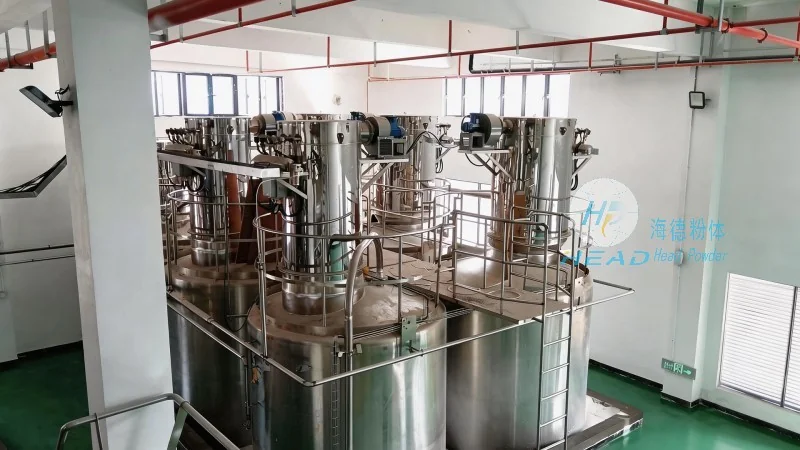
The operational characteristics of pneumatic conveying lines for cement dry ash materials are shaped by several factors that influence their effectiveness in real-world applications. First, the material's particle size and density play a significant role. Fine particles, like those in cement ash, require higher air velocities to maintain suspension and prevent blockages. The system must be designed to handle these characteristics, often incorporating features like pulse-jet or rotary valves to maintain consistent flow. Second, the distance and elevation changes between the source and destination points are critical. Longer distances or higher elevations demand higher air pressures and more robust equipment to ensure the material reaches its destination without degradation. Third, the system's integration with existing infrastructure is a key consideration. In industrial settings, the conveying line must be compatible with other processing equipment, such as storage silos or mixing units, to form a seamless material handling process. Additionally, the environmental conditions, such as temperature and humidity, can affect the material's behavior, making it essential to use materials like stainless steel or corrosion-resistant coatings for the pipeline to prevent degradation.
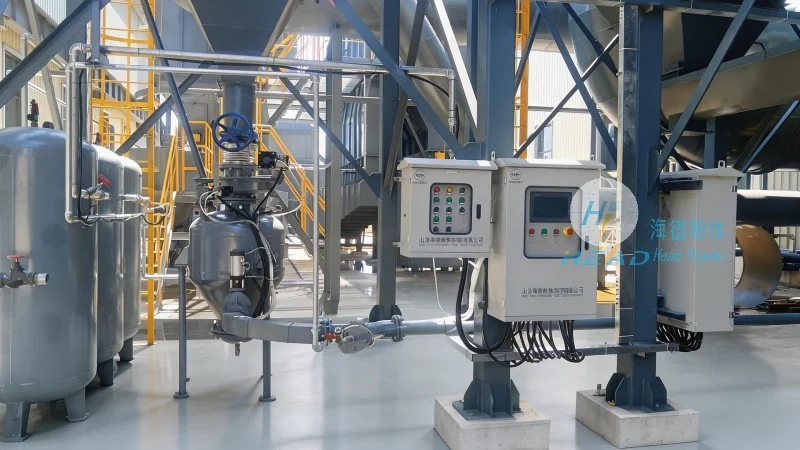
Pneumatic conveying lines are widely used in the cement industry for transporting dry ash materials from storage silos to processing facilities or for transferring materials between different production stages. The primary benefits of this technology include increased safety, as it eliminates the need for manual handling of bulk materials, reducing the risk of accidents and exposure to dust. Additionally, the system offers improved hygiene and cleanliness, as it keeps the material contained within the pipeline, preventing contamination from external sources. Efficiency is another major advantage, as the automated operation reduces labor costs and increases throughput compared to traditional methods. The flexibility of pneumatic conveying also allows for easy adjustments to the system's capacity, making it suitable for varying production demands. Furthermore, the reduced maintenance requirements compared to mechanical conveyors contribute to long-term cost savings, as there are fewer moving parts and less wear and tear on the equipment.
When designing a pneumatic conveying line for cement dry ash materials, several factors must be carefully considered to ensure optimal performance. The first step is to analyze the material's properties, including its particle size distribution, moisture content, and bulk density. This information is crucial for determining the appropriate air velocity and pressure required for effective conveying. The pipeline layout is another critical aspect, as the design must account for the distance, elevation changes, and any obstacles that may affect the flow. The choice of materials for the pipeline and components is also important, as they must withstand the abrasive nature of cement ash and resist corrosion. Customization is a key feature of HeadPowder's solutions, as each system is tailored to the specific needs of the client. This includes selecting the right type of blower, such as a positive displacement blower or a centrifugal blower, based on the system's requirements. The system may also include features like pulse-jet cleaning to maintain pipeline cleanliness and prevent blockages, ensuring consistent operation over time.
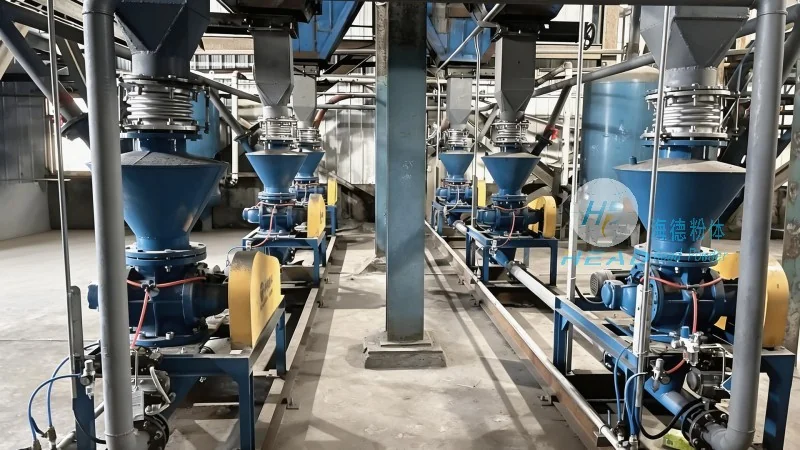
HeadPowder's pneumatic conveying lines for cement dry ash materials represent a sophisticated solution for efficient and safe material handling in the cement industry. By leveraging the principles of pneumatic transport and incorporating advanced design features, these systems offer significant advantages over traditional methods. The operational characteristics, such as material compatibility, system flexibility, and maintenance efficiency, make them a preferred choice for industrial applications. With a strong presence in Shandong, China, HeadPowder continues to provide high-quality engineering solutions that meet the evolving needs of the cement industry, ensuring reliable and cost-effective material transportation.

 Shandong Headpowder Engineering Co., Ltd.
 156-6277-7102(Manager Zhang)
  0531-83386006
  Zhangqiu District, Jinan City, Shandong Province, China
telephone
WeChatconsult
top