

Principle and Working Scene Characteristics of Diatomite Material Pneumatic Conveying Lines
HeadPowder, a leading provider in the field of material handling solutions, specializes in the design, manufacturing, and installation of pneumatic conveying systems tailored for diatomite and similar bulk materials. This article explores the fundamental principles behind diatomite material pneumatic conveying lines and highlights the key characteristics of their operational scenarios.
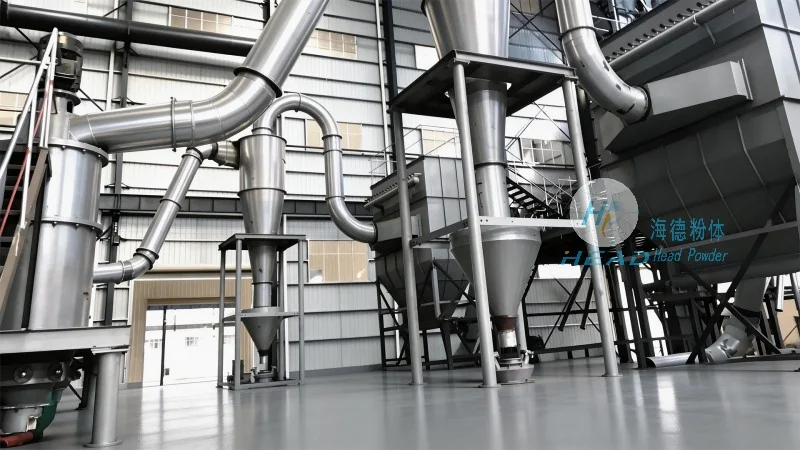
Introduction to Diatomite Material Pneumatic Conveying Lines
Diatomite, a natural sedimentary rock composed primarily of fossilized diatoms, is widely used in various industries due to its unique properties such as high porosity, low density, and excellent filtering capabilities. The efficient transportation of diatomite from storage to processing units is crucial for maintaining production efficiency and minimizing operational costs. Pneumatic conveying lines offer a reliable and effective solution for handling diatomite, especially in applications where dust control and material integrity are paramount.
Core Principles of Pneumatic Conveying Systems
The operation of a diatomite material pneumatic conveying line is based on the fundamental principle of transporting bulk materials through a pipeline using a moving gas stream, typically air. The system consists of several key components, including a material feed hopper, a conveying pipeline, a pressure or vacuum source, and a discharge unit. The process begins with the diatomite being fed into the hopper, where it is then drawn into the pipeline by the air flow. The air velocity within the pipeline is carefully controlled to ensure that the diatomite particles are entrained and transported without clogging or degradation. This method eliminates the need for mechanical components like belts or buckets, reducing maintenance requirements and enhancing safety in the workplace.
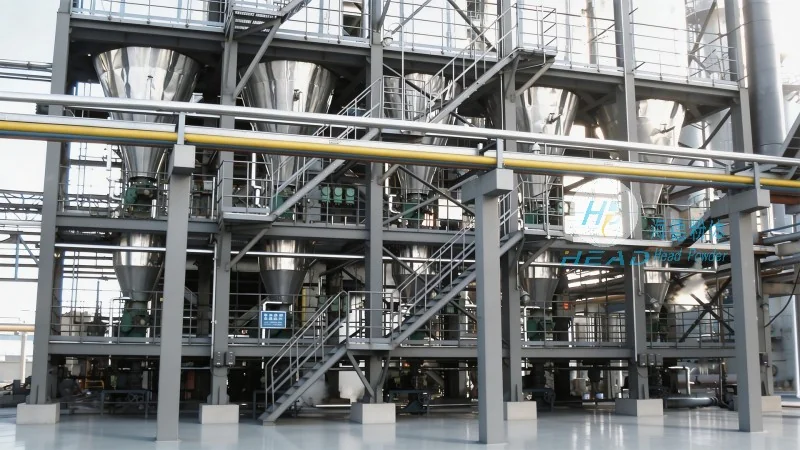
Working Scene Characteristics of Pneumatic Conveying Lines
The operational characteristics of diatomite pneumatic conveying lines are closely tied to the specific working environment and application requirements. These systems are designed to operate in a variety of industrial settings, from small-scale laboratory applications to large-scale production facilities. The key characteristics include:
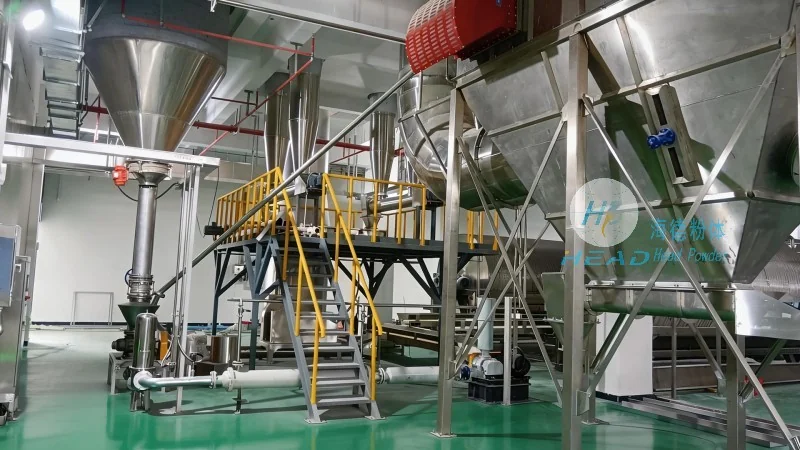
- High Efficiency and Low Maintenance: Pneumatic conveying lines offer high material throughput with minimal downtime, as they do not rely on moving parts that can wear out or require frequent replacement.
- Effective Dust Control: The enclosed pipeline system prevents dust emissions, making it suitable for applications where environmental regulations and worker safety are critical.
- Flexibility in Layout: The system can be configured to accommodate complex layouts, allowing for the integration of multiple feed points and discharge locations within a facility.
- Energy Efficiency: Modern pneumatic conveying systems are designed to optimize air usage, reducing energy consumption and operational costs.
Application Scenarios and Industry Use Cases
Diatomite material pneumatic conveying lines are widely used in industries such as filtration, catalysis, and construction materials. For example, in the filtration industry, diatomite is used as a filter medium, and the conveying system ensures a continuous supply of fresh material to the filter beds. In the construction sector, diatomite is used as a lightweight aggregate in concrete and plaster, and the pneumatic conveying line facilitates the efficient transport of these materials from storage to mixing plants. The adaptability of these systems makes them suitable for a wide range of applications, from processing diatomite for industrial use to supplying it for consumer products.
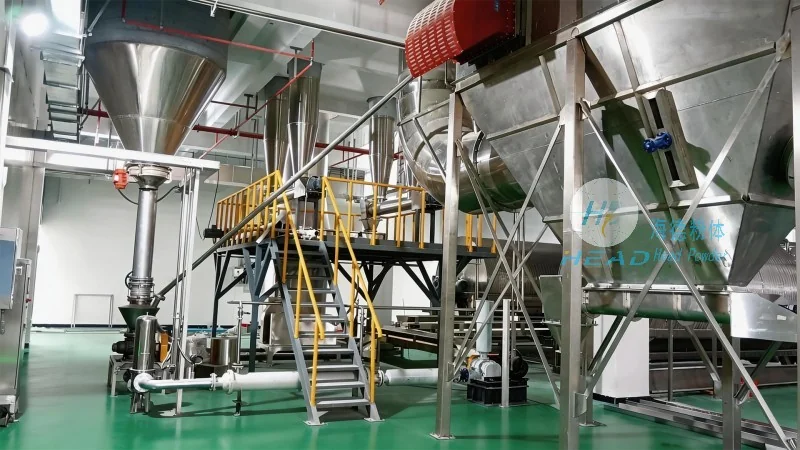
Technical Advantages and Considerations
When implementing a diatomite material pneumatic conveying line, several technical considerations must be taken into account to ensure optimal performance. These include the particle size and density of the diatomite, as well as the required conveying distance and throughput. The choice between pressure and vacuum systems depends on the specific application and the layout of the facility. Pressure systems are typically used for short to medium distances and high throughput, while vacuum systems are more suitable for longer distances and lower material flow rates. Additionally, the selection of appropriate pipeline materials and air filtration systems is crucial to prevent clogging and maintain the quality of the conveyed material.
Conclusion
HeadPowder Engineering Co., Ltd., based in Shandong, China, provides comprehensive solutions for diatomite material pneumatic conveying lines, combining advanced technology with practical application expertise. By understanding the core principles and operational characteristics of these systems, industries can enhance their material handling processes, improve efficiency, and reduce operational costs. The reliable and efficient operation of pneumatic conveying lines ensures that diatomite is transported safely and effectively, supporting the growth and success of various industrial applications.