With more than 10‑year industry experience, Shandong Headpowder delivers full‑service pneumatic‑conveying systems and blowers, undertaking nationwide turn‑key powder‑handling projects.
HeadPowder, a leading manufacturer based in Shandong, China, specializes in advanced pneumatic conveying systems tailored for the efficient handling of cassava starch powders. This equipment represents a sophisticated solution designed to address the unique challenges associated with transporting fine powders like cassava starch, ensuring optimal performance in industrial applications.
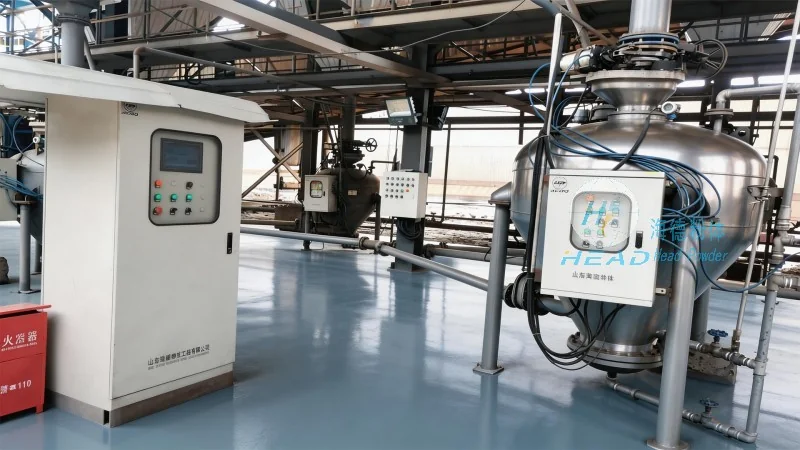
Pneumatic conveying systems operate on the principle of using air or gas to transport bulk materials through a pipeline. In the case of cassava starch powder, the system typically employs a positive pressure or negative pressure method. The positive pressure system, also known as a pressure conveyor, generates air flow by a blower or compressor at the inlet, pushing the powder forward through the pipeline. Conversely, the negative pressure system, or vacuum conveyor, draws the powder into the system using a vacuum pump at the discharge end. For cassava starch, which is a fine and potentially dusty material, the positive pressure system is often preferred due to its ability to maintain consistent flow rates and minimize material degradation. The system consists of several key components: a hopper for material storage, a feeder to control the flow rate, a conveying line (often equipped with bends and filters), and a receiver for the discharged material. The air flow rate and pressure are carefully regulated to ensure the powder is transported without clogging or degradation, which is critical for maintaining the quality of cassava starch used in various industrial processes.
The efficiency of a cassava starch powder pneumatic conveying system relies on the proper integration of several components. The hopper serves as the storage vessel, providing a consistent feed of material to the feeder. The feeder, which can be a rotary valve or a screw feeder, controls the discharge rate of the powder, preventing overloading and ensuring a steady flow into the conveying line. The conveying line is typically made of stainless steel or other corrosion-resistant materials to handle the acidic or moisture-sensitive nature of cassava starch. It includes necessary fittings such as elbows, tees, and filters to maintain the integrity of the powder and the air flow. The filters are crucial in preventing dust from escaping into the environment and clogging the system. The receiver at the discharge end collects the conveyed powder and may include a discharge valve to control the release of material. The blower or compressor provides the necessary air pressure, with adjustable speed controls allowing for modulation of the conveying rate based on the material's characteristics and system requirements.
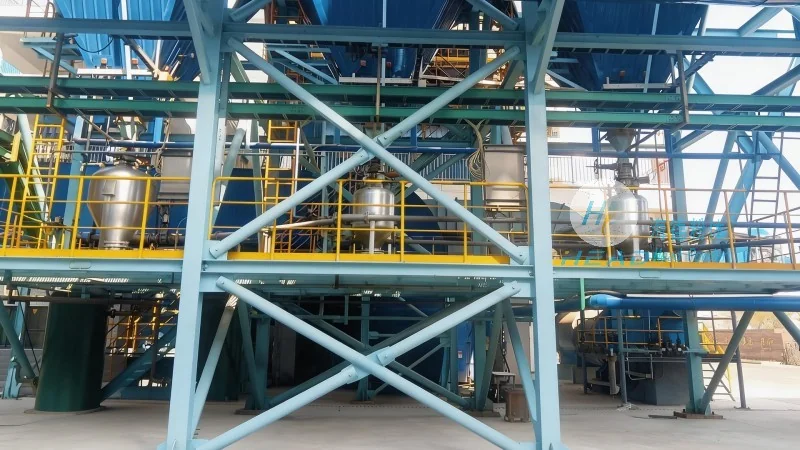
The application characteristics of cassava starch powder pneumatic conveying equipment are tailored to meet the demands of various industrial sectors. In the food processing industry, cassava starch is used as a thickening agent and stabilizer in products like beverages, snacks, and dairy items. The conveying system must maintain the purity and quality of the starch, avoiding contamination from external sources and preventing moisture absorption that could affect its functional properties. In the pharmaceutical industry, where cassava starch is used as a filler or binder in tablet formulations, the system must adhere to stringent hygiene and contamination control standards. The equipment is designed with easy-to-clean surfaces and sealed components to prevent cross-contamination. In the chemical industry, cassava starch may be used as a raw material in the production of adhesives or other industrial chemicals, requiring the system to handle potentially abrasive or corrosive materials. The robust construction and material selection of the conveying line and components ensure durability and long-term performance under these conditions.
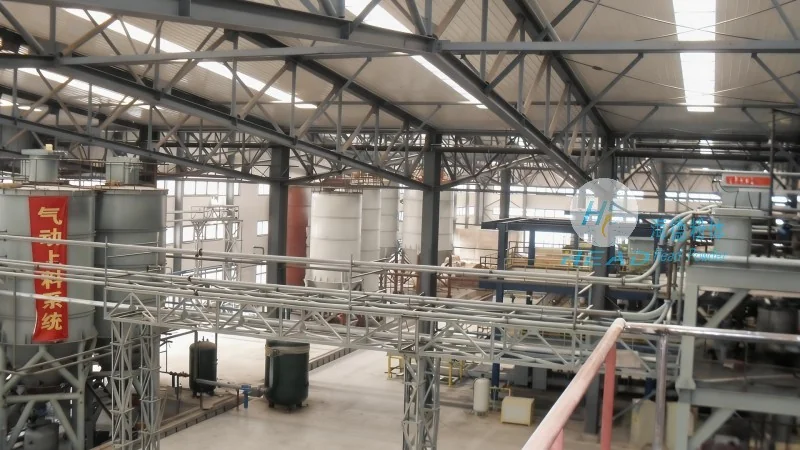
Compared to traditional mechanical conveying methods like screw conveyors or bucket elevators, pneumatic conveying offers several advantages for cassava starch powder. One of the primary benefits is the ability to transport materials over long distances without the need for multiple transfer points, reducing the risk of material degradation and contamination. The system is also more flexible, allowing for changes in the conveying route or capacity without significant modifications. Pneumatic conveying is particularly effective for handling fine powders, as it minimizes the risk of clogging and ensures a consistent flow rate. Additionally, the system can be integrated with other processing equipment, such as mixers or dryers, to create a seamless production line. The energy efficiency of modern pneumatic conveying systems has improved significantly, with variable speed drives and optimized air flow reducing operational costs. The hygienic design of the equipment, with smooth surfaces and easy access for cleaning, makes it suitable for food and pharmaceutical applications where sanitation is critical. Overall, the use of pneumatic conveying for cassava starch powder enhances process efficiency, maintains product quality, and reduces operational costs in industrial settings.
HeadPowder recognizes that each industrial application has unique requirements, and therefore, offers customized pneumatic conveying solutions tailored to specific needs. The company can design systems with varying capacities, from small-scale laboratory applications to large-scale industrial production lines. The system can be adapted to handle different types of cassava starch, including raw starch or pre-treated starch, with adjustments to the air flow rate and pressure as needed. The components can be modified to accommodate different pipeline lengths, material flow rates, and environmental conditions. For example, in a food processing plant, the system may be designed with stainless steel components and HEPA filters to meet food safety regulations. In a pharmaceutical facility, the system may include additional filtration and sterilization steps to ensure compliance with GMP (Good Manufacturing Practice) standards. The scalability of the system allows it to grow with the client's production needs, providing a long-term solution that can adapt to future expansion or changes in production processes.

 Shandong Headpowder Engineering Co., Ltd.
 156-6277-7102(Manager Zhang)
  0531-83386006
  Zhangqiu District, Jinan City, Shandong Province, China
telephone
WeChatconsult
top