Preventing Dust Leakage in Pneumatic Conveying Systems When Transporting Inorganic Salts
Release time:2026-09-14 10:43:03
name of the company:Shandong Headpowder Engineering Co., Ltd.
telephone:156-6277-7102
contacts:Manager Zhang
When operating pneumatic conveying systems to transport inorganic salts, one of the most critical challenges is preventing dust leakage. Inorganic salts, such as sodium chloride, potassium chloride, or various industrial salts, are often fine-grained and can easily generate dust during the conveying process. This not only poses health and safety risks but also leads to material loss and environmental contamination. Effective dust control is essential to ensure operational efficiency, compliance with regulations, and the protection of personnel and equipment.
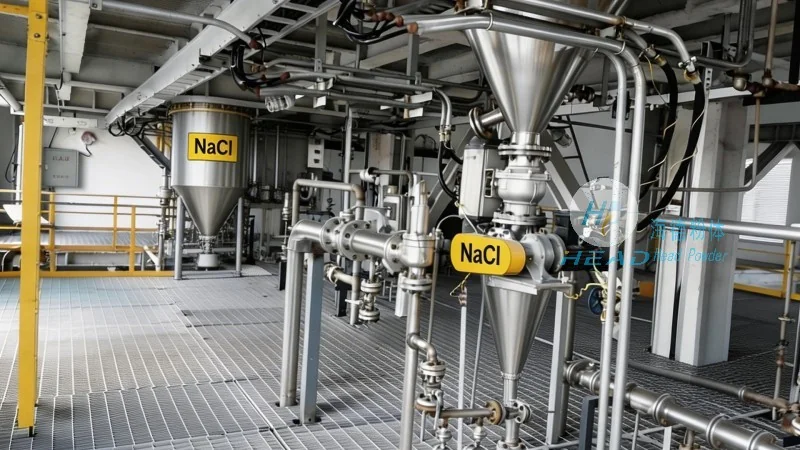
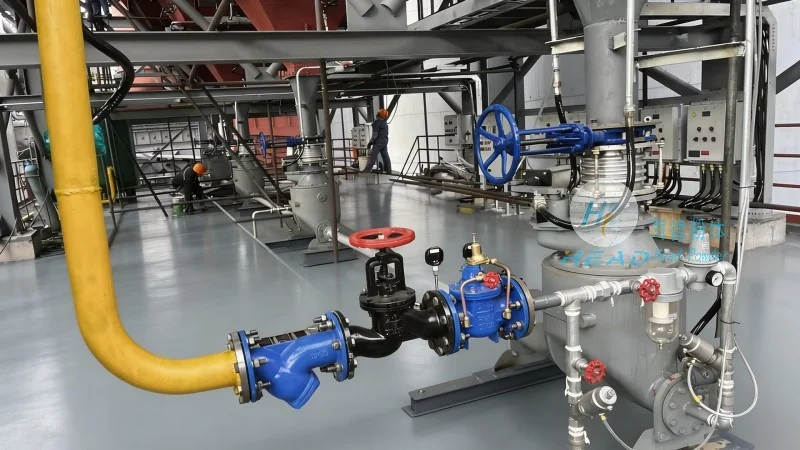
HeadPowder's Engineering Solutions for Dust Leakage Prevention
Shandong HeadPowder Engineering Co., Ltd., a leading provider of pneumatic conveying solutions, specializes in designing and manufacturing systems tailored to the unique requirements of inorganic salt transport. The company's approach focuses on integrating advanced engineering principles with robust material handling technologies to minimize dust generation and leakage. Key solutions include:
- Advanced Sealing Technologies: HeadPowder employs high-quality sealing components, such as double-flanged valves and airlock feeders, to create airtight connections between system components. These seals are specifically designed to handle the abrasive and corrosive nature of inorganic salts, ensuring long-term reliability and preventing dust ingress.
- Optimized Airflow Management: The company utilizes sophisticated airflow control systems to maintain consistent pressure and velocity within the conveying line. By optimizing the air-to-material ratio, HeadPowder reduces the likelihood of dust suspension and leakage, while also improving overall system efficiency.
- Material Conditioning and Conditioning Equipment: To enhance the flowability of inorganic salts, HeadPowder may recommend the use of conditioning equipment, such as rotary airlocks or vibratory feeders. These devices help to break up agglomerates and improve the bulk density of the material, reducing the formation of dust during handling.
Key Features of HeadPowder's Pneumatic Conveying Systems for Inorganic Salts
HeadPowder's systems are engineered with several features that directly address dust leakage concerns in inorganic salt transport:
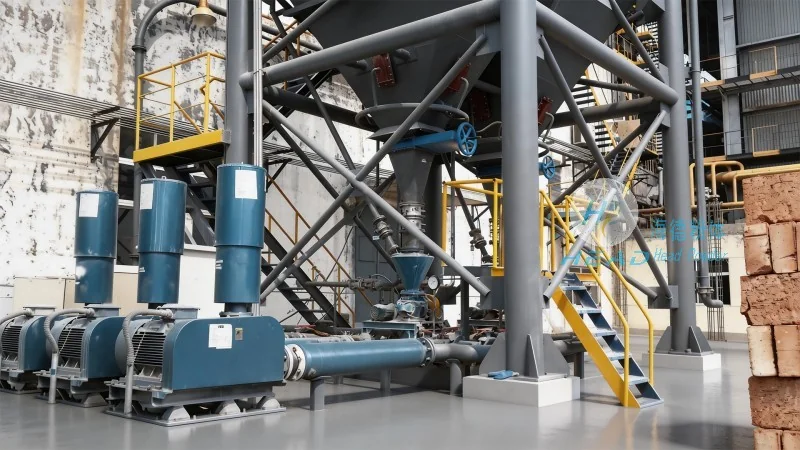
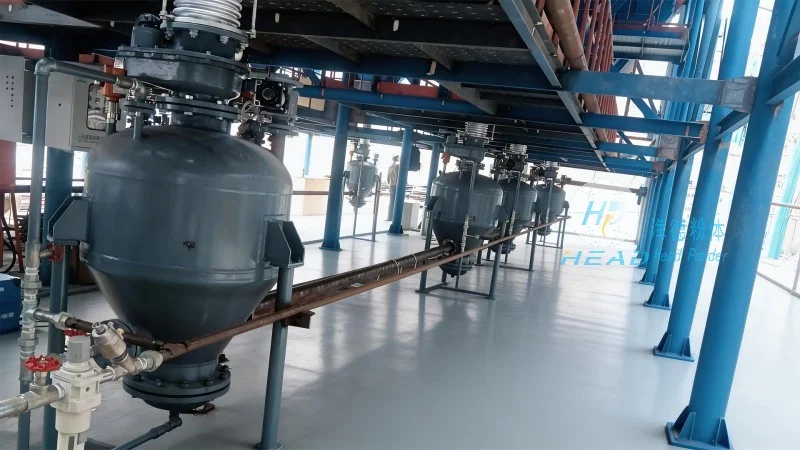
- Robust Construction Materials: The equipment is constructed from corrosion-resistant materials, such as stainless steel and high-grade alloys, which are ideal for handling acidic or alkaline salts without degradation. This ensures the integrity of the system and prevents material contamination from the equipment itself.
- Integrated Dust Collection Systems: Many of HeadPowder's solutions include integrated dust collection or filtration systems. These systems capture any airborne particles, preventing them from escaping into the environment and maintaining a clean operational space.
- Customizable Design: Each system is tailored to the specific characteristics of the inorganic salt being transported, including particle size, moisture content, and bulk density. This customization ensures optimal performance and minimal dust generation for each application.
Benefits of Implementing HeadPowder's Solutions
By adopting HeadPowder's pneumatic conveying systems for inorganic salts, clients can achieve several key benefits:

 Shandong Headpowder Engineering Co., Ltd.
 156-6277-7102(Manager Zhang)
  0531-83386006
  Zhangqiu District, Jinan City, Shandong Province, China