

Principle and Working Scene Characteristics of Lithium Fluoride Powder Pneumatic Conveying Equipment
When it comes to the efficient and safe transportation of lithium fluoride powder, the pneumatic conveying machine has emerged as a critical solution in industrial applications. This equipment is designed to handle fine powders like lithium fluoride, ensuring minimal dust generation and maintaining product integrity throughout the conveying process. The following sections will delve into the fundamental principles behind this technology and explore the specific working scenarios where such machines excel.
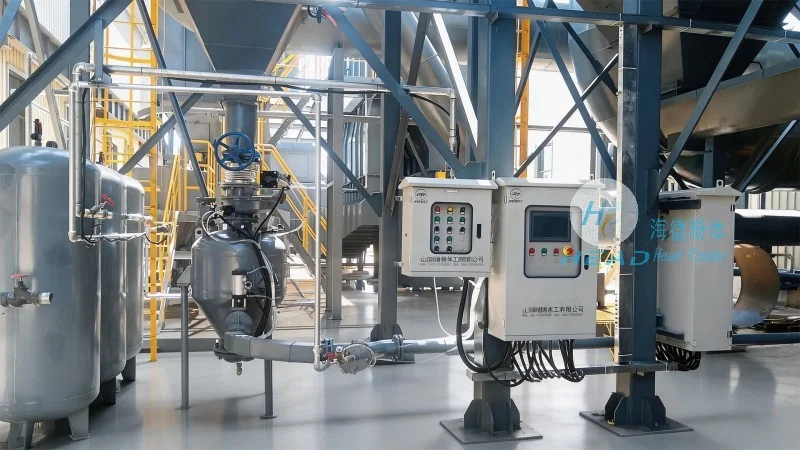
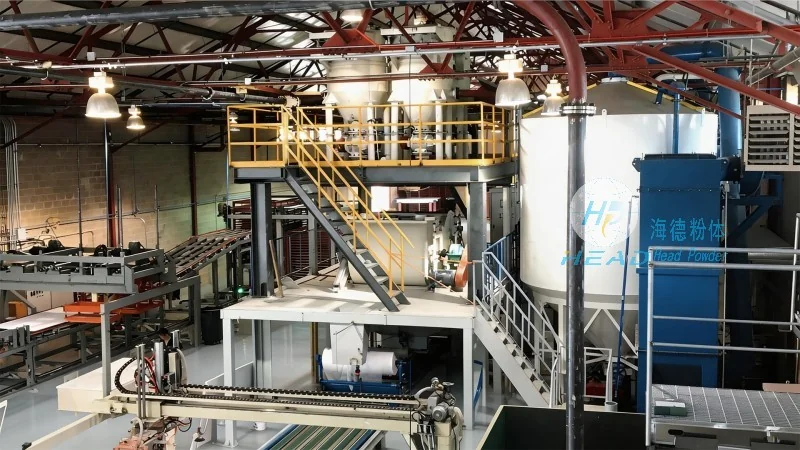
Understanding the Pneumatic Conveying Principle
The core of a lithium fluoride powder pneumatic conveying machine lies in its ability to use air as the medium for transporting powder. There are primarily two types of pneumatic conveying systems: pressure and suction. In a pressure system, compressed air is introduced into a hopper or silo, creating a pressure differential that forces the powder into a pipeline and transports it to the destination. Conversely, suction systems utilize a vacuum to draw the powder from a source and move it through the pipeline. For lithium fluoride, which is a fine, hygroscopic powder, a pressure system is often preferred as it provides better control over the flow and minimizes the risk of clogging or material degradation. The machine typically consists of a hopper for material storage, a rotary valve or feeder to control the flow rate, a pipeline system, and a receiver or discharge point. The air flow is regulated by a blower or compressor, ensuring consistent and reliable transport. The design of the conveying line, including the size of the pipes and the angle of the incline, is crucial for maintaining the flow of the powder without causing blockages or excessive pressure drops. Proper sealing of the system is also essential to prevent dust leakage and maintain a safe working environment.
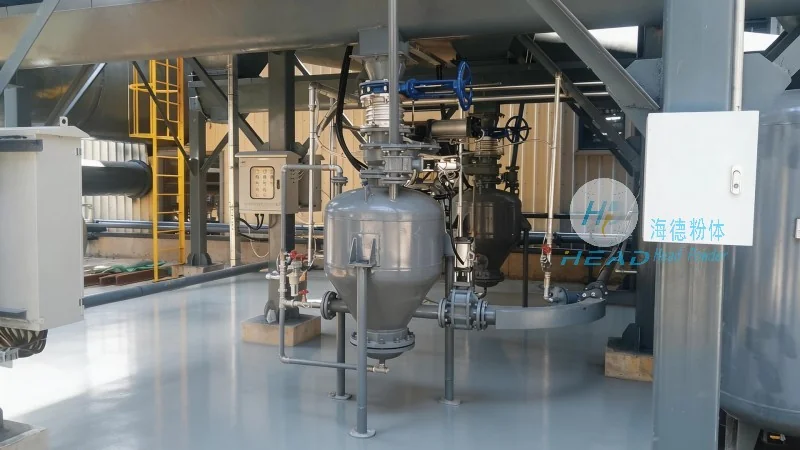
Key Working Scene Characteristics
The application of lithium fluoride powder pneumatic conveying machines varies across different industrial settings, each with its unique requirements and benefits. One common working scene is in the chemical manufacturing industry, where lithium fluoride is used as a flux or catalyst in the production of ceramics, glass, and other materials. In this scenario, the machine is often integrated into a production line that includes reactors, mixers, and storage tanks. The pneumatic conveyor efficiently transports the lithium fluoride from a bulk storage silo to the reaction vessel, ensuring a continuous and controlled feed. This not only improves the overall efficiency of the production process but also reduces labor costs associated with manual handling. Another important working scene is in the pharmaceutical and food processing industries, where the purity and safety of the powder are paramount. The pneumatic conveying system in these applications is designed to be completely enclosed, preventing any dust from escaping and ensuring that the powder remains in a sterile environment. The use of stainless steel components and advanced filtration systems further enhances the safety and quality of the product. Additionally, in mining and mineral processing operations, lithium fluoride is extracted from ores and needs to be transported to processing facilities. The pneumatic conveyor provides a cost-effective and reliable method for moving the powder over long distances, even in challenging terrain. The ability to handle large volumes of material with minimal maintenance makes it an ideal choice for such applications. In research and development laboratories, the machine is used for small-scale experiments and sample preparation. The compact design and precise control over the flow rate allow scientists to conduct controlled tests and analyze the properties of lithium fluoride under various conditions. The versatility of the pneumatic conveying machine makes it suitable for a wide range of working scenarios, from large-scale industrial production to laboratory research.
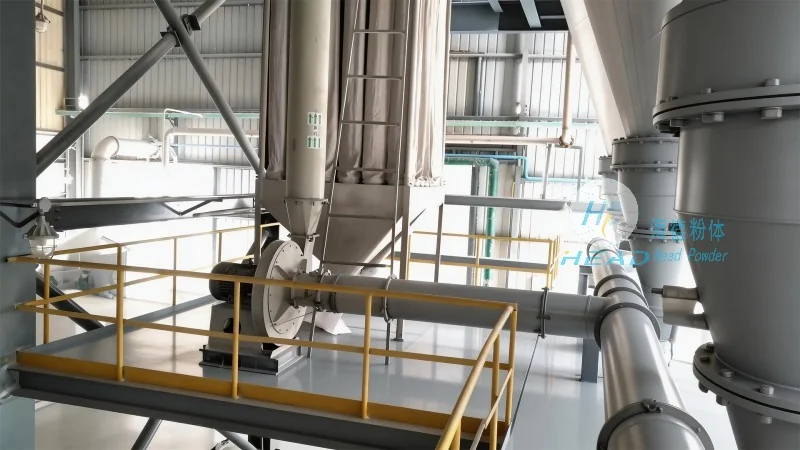
Advantages and Considerations in Different Environments
When implementing a lithium fluoride powder pneumatic conveying system, several factors must be considered to ensure optimal performance and safety. The first consideration is the particle size and moisture content of the lithium fluoride. Fine powders with high moisture content are more prone to caking and blockages, which can disrupt the conveying process. Therefore, it is essential to pre-dry the powder or use a system with anti-caking features. The second factor is the operating environment, which can vary from indoor industrial facilities to outdoor storage areas. Indoor applications benefit from better control over temperature and humidity, while outdoor installations require weather-resistant components to protect against rain and extreme temperatures. The third consideration is the scale of operation. For small-scale applications, a simple suction system may suffice, whereas large-scale industrial operations demand high-capacity pressure systems with robust blower units. The choice of material for the conveying components is also critical. Lithium fluoride is a corrosive material, and the equipment must be made of materials that can withstand its chemical properties, such as stainless steel or specialized alloys. Regular maintenance is another key aspect, as the system requires periodic cleaning and inspection to prevent wear and tear. The advantages of using a pneumatic conveying machine for lithium fluoride include improved safety due to enclosed systems, reduced labor costs through automation, and enhanced product quality by minimizing exposure to contaminants. However, the initial investment and energy consumption must be taken into account, as these systems can be more expensive to install and operate compared to traditional methods like bucket elevators or belt conveyors. Despite these considerations, the benefits often outweigh the costs, especially in applications where dust control and product integrity are critical.