With more than 10‑year industry experience, Shandong Headpowder delivers full‑service pneumatic‑conveying systems and blowers, undertaking nationwide turn‑key powder‑handling projects.
Centralized material feeding and conveying systems represent a critical component in modern industrial operations, designed to streamline the movement of raw materials, components, and finished goods within manufacturing facilities. The core principle behind these systems revolves around the integration of multiple feeding mechanisms into a single, centralized control unit, enabling efficient coordination and automation of material handling processes. By consolidating various feeding sources—such as hoppers, bins, or bulk containers—into a unified system, businesses can achieve enhanced operational efficiency, reduced labor costs, and improved overall productivity.
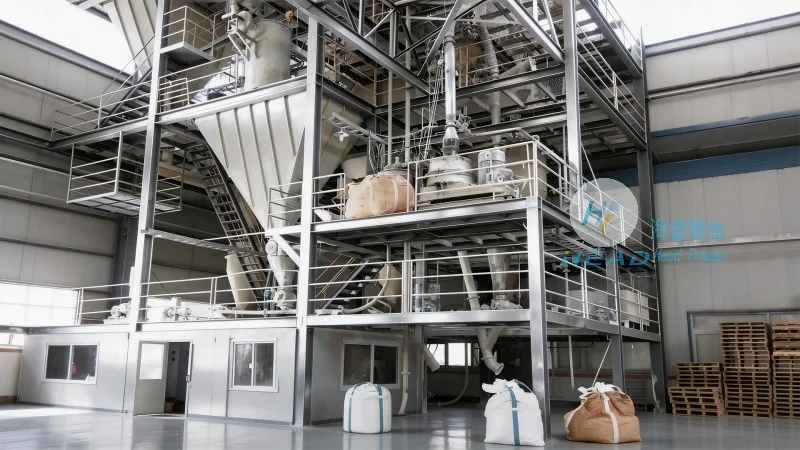
The fundamental principle of centralized material feeding is to centralize the control and management of material flow from source to destination. This approach eliminates the need for individual, isolated feeding systems, which can often lead to inefficiencies, bottlenecks, and increased maintenance requirements. Instead, a centralized system uses sensors, programmable logic controllers (PLCs), and advanced software to monitor and regulate the flow of materials in real-time. This allows for precise control over feeding rates, ensuring that production lines receive the exact amount of material needed at the right time. Additionally, the integration of conveyor systems, such as belt conveyors, chain conveyors, or pneumatic conveyors, further enhances the system's ability to transport materials over longer distances or between different workstations.
Centralized material feeding and conveying systems are widely applied across various industries, including manufacturing, pharmaceuticals, food processing, and logistics. In manufacturing environments, these systems are particularly valuable in assembly lines where multiple components need to be fed to different stations simultaneously. For example, in automotive production, centralized feeding systems can efficiently supply parts like bolts, screws, or electronic components to various assembly points, reducing downtime and improving throughput. In the pharmaceutical industry, such systems are crucial for maintaining strict quality control and ensuring that raw materials are handled hygienically and in compliance with regulatory standards. The ability to centralize control also facilitates easier monitoring of material usage, inventory levels, and production metrics, enabling better decision-making and process optimization.
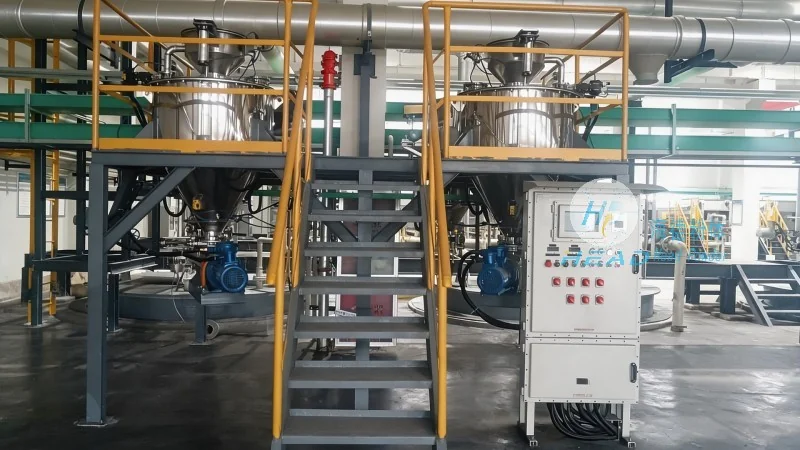
One of the most significant advantages of centralized material feeding and conveying is the improvement in workplace safety. By automating the material handling process, these systems reduce the need for manual lifting, carrying, or moving heavy or bulky materials, thereby minimizing the risk of workplace injuries. Additionally, the centralized control allows for the implementation of safety protocols, such as emergency stop buttons or collision detection sensors, which can halt the system in case of an anomaly. This not only protects workers but also prevents damage to equipment and materials. From an efficiency standpoint, centralized systems can significantly reduce cycle times and increase production output. By eliminating manual intervention and ensuring a consistent flow of materials, these systems help maintain a steady production rhythm, which is essential for meeting customer demand and maintaining competitiveness in the market.
Centralized material feeding and conveying systems are highly customizable to meet the specific requirements of different industries and applications. Companies like Shandong HeadPowder Engineering Co., Ltd. specialize in designing and implementing tailored solutions that address the unique challenges of each client. For instance, in food processing, the systems can be equipped with sanitary components and cleaning features to comply with food safety regulations. In contrast, in heavy manufacturing, the systems may incorporate robust materials and high-capacity conveyors to handle large or heavy items. The scalability of these systems is another key advantage, as they can be expanded or modified to accommodate growth in production volume or changes in product lines. This flexibility ensures that the investment in a centralized material feeding system remains relevant and effective as a business evolves.
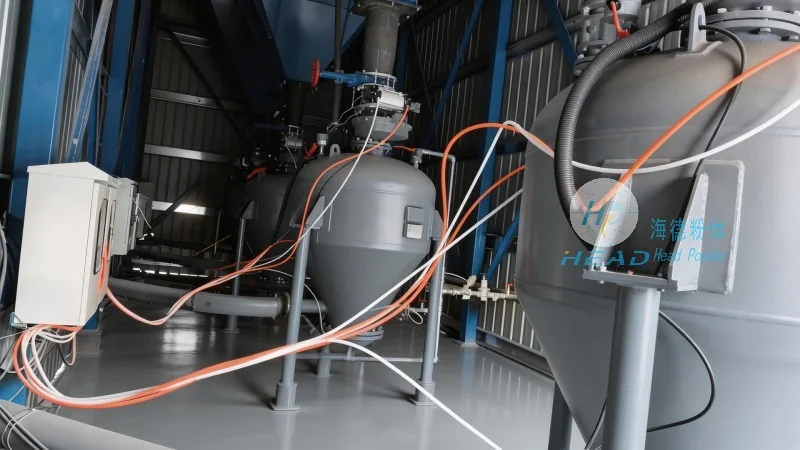
Modern centralized material feeding and conveying systems often integrate with advanced technologies to further enhance their capabilities. For example, the use of IoT (Internet of Things) sensors can provide real-time data on material levels, conveyor speeds, and system performance, which can be used to optimize operations and predict maintenance needs. Additionally, the integration of artificial intelligence (AI) and machine learning algorithms can enable predictive analytics, allowing the system to anticipate potential issues and adjust its operations proactively. This not only reduces downtime but also extends the lifespan of equipment. Furthermore, the systems can be connected to enterprise resource planning (ERP) or manufacturing execution systems (MES), enabling seamless data flow between material handling and overall production management. This integration ensures that material availability and production schedules are aligned, leading to improved overall operational efficiency.
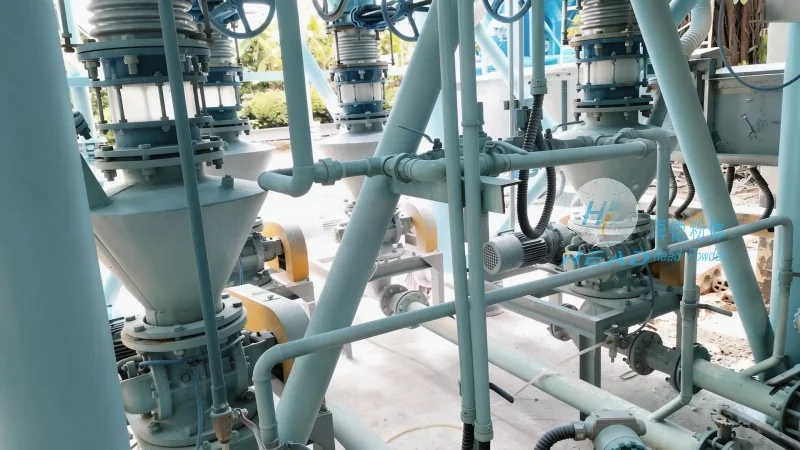
A practical example of the benefits of centralized material feeding and conveying can be seen in a manufacturing plant that previously relied on individual feeding hoppers for each workstation. The plant faced frequent bottlenecks and material shortages, leading to production delays and increased labor costs. After implementing a centralized feeding system from Shandong HeadPowder Engineering Co., Ltd., the plant experienced a significant improvement in operational efficiency. The new system integrated multiple hoppers into a single control unit, allowing for real-time monitoring and adjustment of feeding rates. This resulted in a 20% reduction in cycle times and a 15% increase in production output. Additionally, the automated system reduced the need for manual material handling, leading to a 30% decrease in workplace injuries. The plant also benefited from better inventory management, as the system provided accurate data on material levels, enabling the plant to optimize stock levels and reduce waste. This case study highlights the tangible benefits of centralized material feeding and conveying systems in improving operational efficiency and workplace safety.
In conclusion, centralized material feeding and conveying systems play a vital role in modern manufacturing by providing a streamlined, efficient, and safe method of handling materials. The principles of centralized control, integration with advanced technologies, and customization for diverse applications make these systems indispensable in today's competitive industrial landscape. Companies like Shandong HeadPowder Engineering Co., Ltd. are at the forefront of developing and implementing such systems, helping businesses achieve higher productivity, reduced costs, and improved safety. As manufacturing continues to evolve, the importance of centralized material feeding and conveying will only grow, making it a critical investment for any company looking to stay competitive and efficient in the long run.

 Shandong Headpowder Engineering Co., Ltd.
 156-6277-7102(Manager Zhang)
  0531-83386006
  Zhangqiu District, Jinan City, Shandong Province, China
telephone
WeChatconsult
top