With more than 10‑year industry experience, Shandong Headpowder delivers full‑service pneumatic‑conveying systems and blowers, undertaking nationwide turn‑key powder‑handling projects.
For industrial facilities that handle bulk materials, efficient and reliable material conveying systems are crucial for maintaining operational efficiency and safety. The silo bulk material conveyor, a specialized equipment designed for transporting powders and granules from silos to processing or storage areas, plays a vital role in modern material handling operations. This article explores the fundamental principles behind these conveyors and highlights their key working scene characteristics, providing insights into how they enhance productivity and operational flexibility in various industrial applications. The equipment is developed by Shandong HeadPowder Engineering Co., Ltd., a leading manufacturer based in Shandong, China, with a focus on providing innovative solutions for bulk material handling needs.
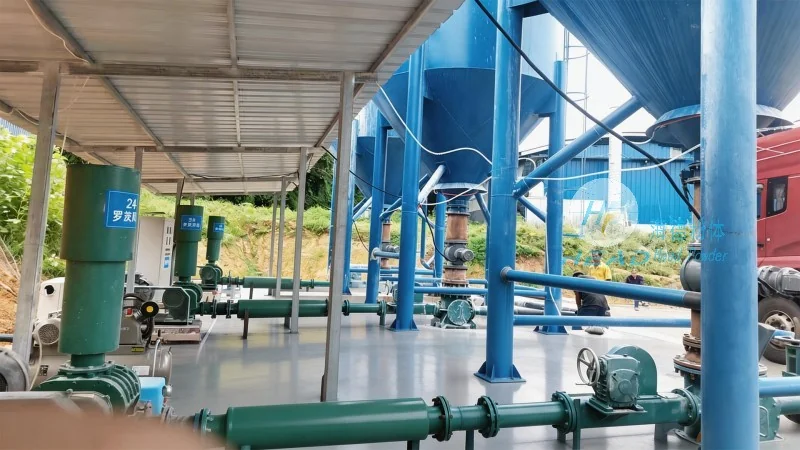
Silo bulk material conveyors are engineered to address the unique challenges of transporting bulk materials stored in silos, such as cement, coal, grain, or other powders. These systems are designed to ensure a continuous, controlled flow of material from the silo to downstream processes, minimizing downtime and reducing the risk of material loss or contamination. The core functionality of these conveyors revolves around efficient material transfer, often leveraging advanced technologies to adapt to diverse material properties and operational requirements.
The operation of silo bulk material conveyors typically involves a combination of mechanical and pneumatic components, depending on the specific design and material characteristics. A common mechanism is the use of a hopper or feeder that draws material from the silo and feeds it into a conveyor system. For example, in pneumatic conveying systems, compressed air is used to transport the material through a pipeline, while mechanical systems may employ screw conveyors, belt conveyors, or bucket elevators to move the material. The selection of the conveying method depends on factors like material density, flowability, and the distance between the silo and the discharge point.
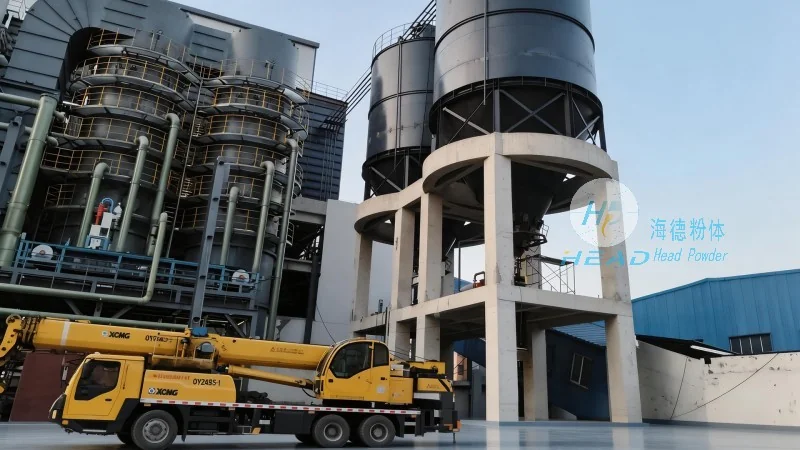
Key components of a typical silo bulk material conveyor include the inlet hopper, which is designed to maintain a consistent material level and prevent air leakage; the conveying mechanism (either pneumatic or mechanical); and the discharge outlet, which directs the material to the intended destination. The system may also incorporate control valves, pressure sensors, and flow meters to monitor and regulate the material flow, ensuring precise and safe operation. Advanced models may feature variable speed drives and automated controls to adapt to changing production demands and material conditions.
The working scene characteristics of silo bulk material conveyors are tailored to meet the specific needs of different industrial environments. These characteristics include high efficiency, low maintenance requirements, and adaptability to various material types. In cement plants, for instance, these conveyors are used to transport cement from storage silos to mixing and packaging areas, ensuring a steady supply of material for production. In coal-fired power plants, they facilitate the transfer of coal from silos to boilers, optimizing fuel usage and reducing operational costs. The versatility of these systems also makes them suitable for applications in the chemical, food, and pharmaceutical industries, where material handling must adhere to strict quality and safety standards.
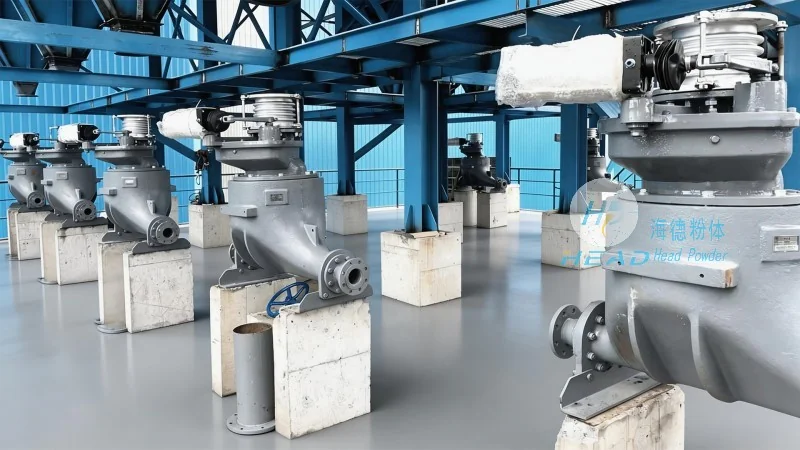
Another important characteristic is the ability to handle a wide range of material sizes and densities. Some conveyors are designed for fine powders, such as cement or flour, while others are capable of transporting larger granules or bulk materials like coal or gravel. This adaptability is achieved through adjustable conveying speeds, variable pressure settings, and specialized hopper designs that prevent material bridging or caking, which can impede the flow of material. Additionally, the systems are engineered to minimize dust generation and ensure environmental compliance, making them suitable for indoor or outdoor applications in industrial settings.
Silo bulk material conveyors offer several operational advantages that contribute to improved productivity and cost-effectiveness in industrial operations. By eliminating the need for manual handling or traditional bucket elevators, these systems reduce labor costs and improve workplace safety. The continuous flow of material ensures that production processes are not interrupted, leading to higher throughput and reduced downtime. Furthermore, the automated control systems allow for precise monitoring and adjustment of material flow, minimizing waste and optimizing resource utilization.
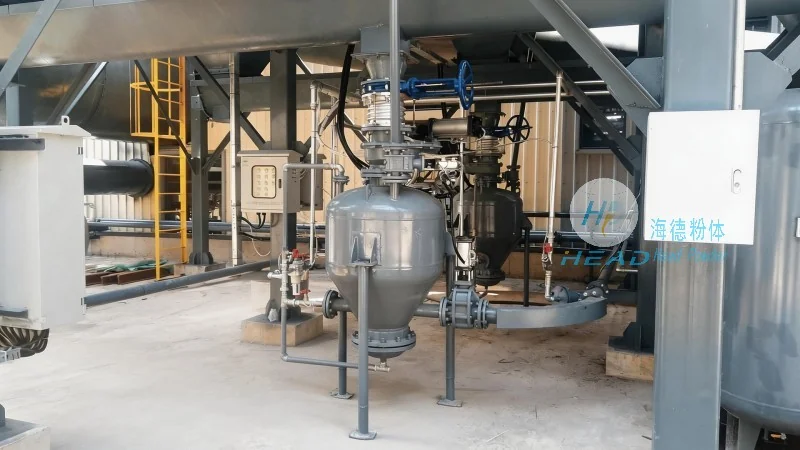
In terms of applications, silo bulk material conveyors are widely used in industries where bulk materials are stored and processed. In the construction sector, they are essential for transporting cement and other building materials to construction sites. In the agricultural industry, they facilitate the movement of grain from storage silos to processing facilities or distribution centers. The systems are also employed in the chemical industry for transporting raw materials and finished products, and in the food industry for handling ingredients and packaged goods. The adaptability of these conveyors makes them a versatile solution for various material handling challenges across different sectors.
In conclusion, silo bulk material conveyors are critical equipment for modern industrial operations, providing efficient and reliable solutions for transporting bulk materials from silos to processing or storage areas. The principles behind their operation, combined with their working scene characteristics, enable them to meet the diverse needs of various industries. As technology continues to advance, these systems are likely to become even more sophisticated, offering improved efficiency, reduced maintenance, and enhanced safety features. For companies operating in industries that rely on bulk material handling, investing in high-quality silo bulk material conveyors is a strategic decision that can significantly enhance operational performance and long-term profitability.

 Shandong Headpowder Engineering Co., Ltd.
 156-6277-7102(Manager Zhang)
  0531-83386006
  Zhangqiu District, Jinan City, Shandong Province, China
telephone
WeChatconsult
top