With more than 10‑year industry experience, Shandong Headpowder delivers full‑service pneumatic‑conveying systems and blowers, undertaking nationwide turn‑key powder‑handling projects.
HeadPowder, a leading manufacturer based in Shandong, China, specializes in the design and production of advanced pneumatic conveying equipment tailored for the transportation of cement and mineral powders. This article explores the fundamental principles behind such systems and highlights the key characteristics that define their application across various industrial scenarios.
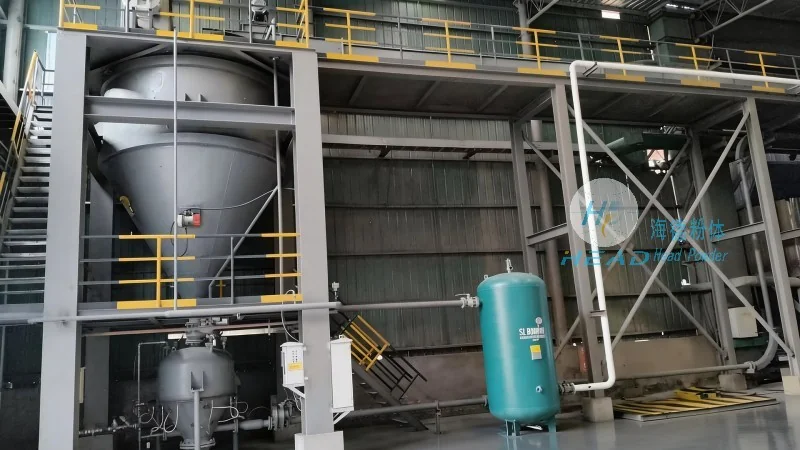
Pneumatic conveying systems are widely utilized in the cement industry to efficiently transport bulk powders like cement, fly ash, and other mineral additives. These systems operate by using air as the conveying medium, enabling the movement of powders through pipelines without the need for mechanical components like belts or buckets. The technology is particularly advantageous for handling fine, dusty materials that are difficult to transport via traditional methods.
The core of a pneumatic conveying system lies in its ability to manipulate air pressure and flow to move powders. There are two primary types of systems: positive pressure and negative pressure (or suction) systems. In a positive pressure system, a blower or fan generates compressed air that is directed into the conveying line, creating a high-pressure environment that propels the powder particles forward. Conversely, a negative pressure system uses a vacuum pump to create a low-pressure zone at the discharge end, drawing the powder into the pipeline as air is pulled through.
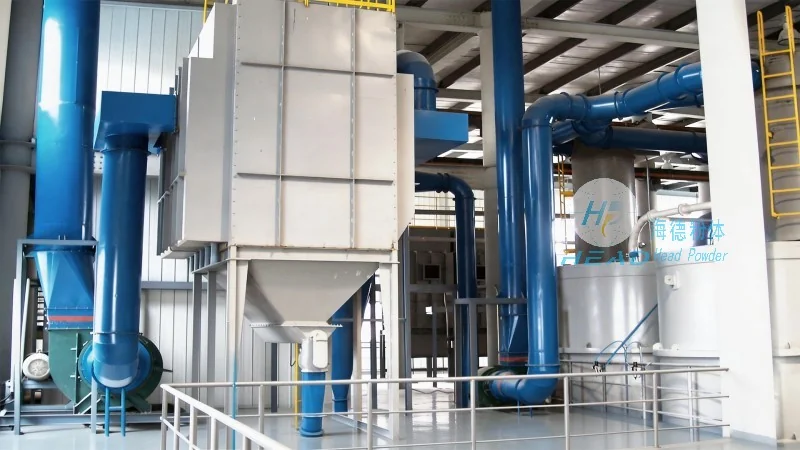
Both systems rely on the principle of fluidization, where the air flow creates a suspension of powder particles, allowing them to be carried along the pipeline. The velocity and pressure of the air are critical factors, as they determine the capacity and efficiency of the conveying process. Proper design ensures that the air velocity is sufficient to keep the powder particles suspended without causing excessive wear on the system components.
The application of cement and mineral powder pneumatic conveying equipment is characterized by several distinct features that cater to the specific demands of industrial operations. One of the most notable characteristics is the ability to handle long-distance transportation, often spanning hundreds of meters or more, with minimal loss of material. This is achieved through optimized pipeline designs and consistent air pressure maintenance.
Another key characteristic is the system's adaptability to varying powder properties. Different cement types and mineral additives may have different particle sizes, moisture contents, and flow characteristics. The equipment from HeadPowder is engineered to accommodate these variations, ensuring reliable operation even with challenging materials such as high-temperature or abrasive powders.
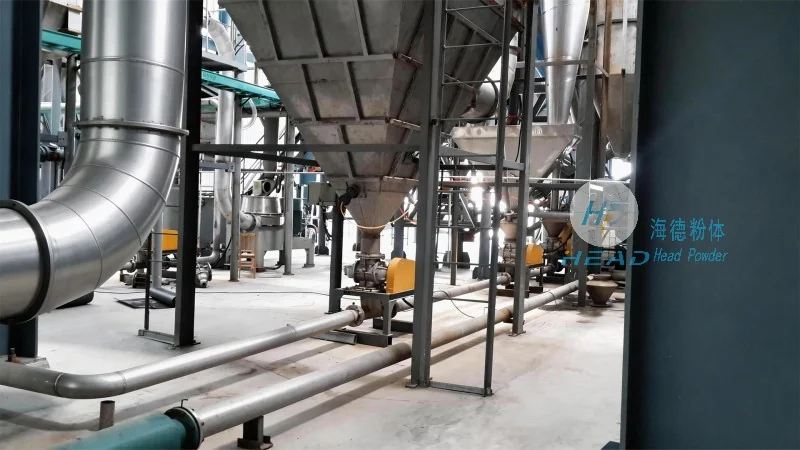
Efficiency and reliability are paramount in industrial settings, and pneumatic conveying systems excel in these areas. By eliminating the need for manual handling or mechanical conveyors, the risk of material contamination and operational downtime is significantly reduced. Additionally, the systems are designed for easy maintenance, with components that can be accessed and serviced without extensive system shutdowns.
In the context of cement production, pneumatic conveying equipment plays a vital role in the material handling process. From raw material intake to the final product packaging, these systems facilitate seamless integration of various stages. For instance, in the preheater and kiln sections, mineral powders are efficiently delivered to the grinding and mixing processes, ensuring consistent quality control. The ability to handle large volumes of material at high speeds contributes to overall production efficiency and cost-effectiveness.
Furthermore, the systems are designed to minimize environmental impact by reducing dust emissions and improving material containment. This aligns with modern industrial standards and regulatory requirements, making them a preferred choice for sustainable cement manufacturing operations.
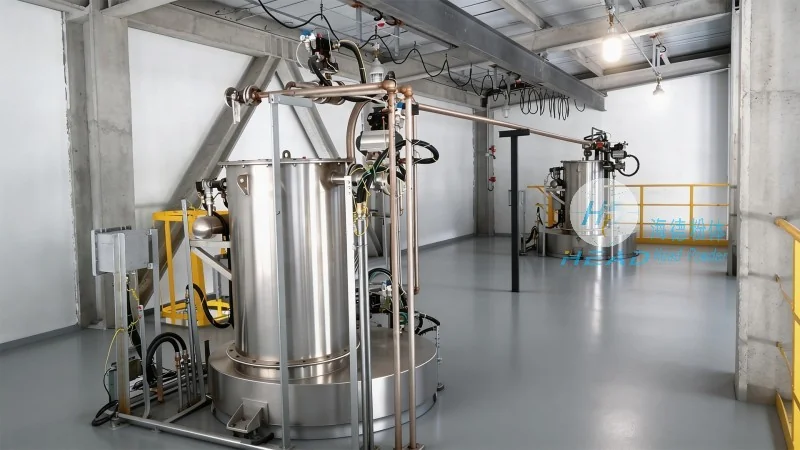
HeadPowder recognizes that each industrial facility has unique requirements, and thus offers customized pneumatic conveying solutions. Whether for small-scale applications or large-scale production lines, the company provides tailored designs that meet specific capacity, distance, and material handling needs. The modular nature of the equipment allows for easy expansion or integration with existing infrastructure, ensuring long-term operational flexibility.
With a strong presence in Shandong, China, HeadPowder leverages local manufacturing expertise to deliver high-quality, cost-effective solutions. The company's commitment to innovation and customer satisfaction is reflected in the robust performance and reliability of its pneumatic conveying systems, which are trusted by clients across the cement and mineral processing industries.

 Shandong Headpowder Engineering Co., Ltd.
 156-6277-7102(Manager Zhang)
  0531-83386006
  Zhangqiu District, Jinan City, Shandong Province, China
telephone
WeChatconsult
top