With more than 10‑year industry experience, Shandong Headpowder delivers full‑service pneumatic‑conveying systems and blowers, undertaking nationwide turn‑key powder‑handling projects.
Shandong HeadPowder Engineering Co., Ltd. specializes in providing comprehensive solutions for polytetrafluoroethylene (PTFE) applications, focusing on technical parameters and efficient conveying systems. This article outlines the key technical specifications of PTFE and the advanced processes involved in its handling and transportation within industrial settings.
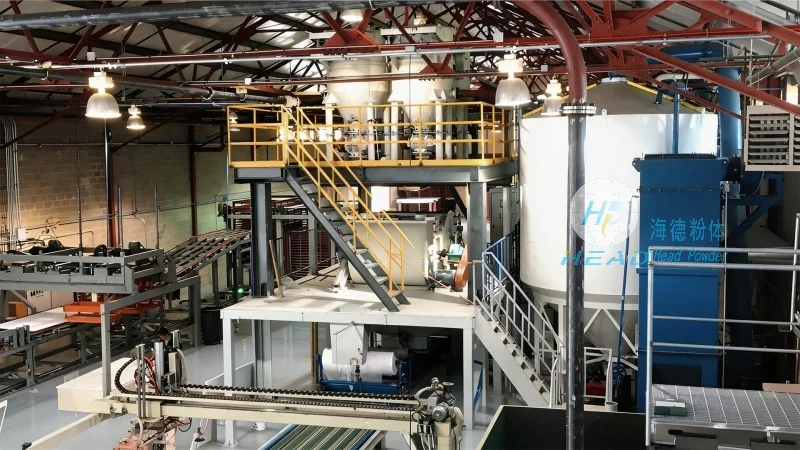
PTFE, commonly known as Teflon, is a synthetic fluoropolymer with exceptional chemical resistance, thermal stability, and low friction properties. Its technical parameters are critical for ensuring optimal performance in various industrial applications. The material's density typically ranges from 2.1 to 2.3 g/cm³, with a melting point around 327°C (621°F). These characteristics make PTFE ideal for use in high-temperature and corrosive environments, such as chemical processing, pharmaceutical manufacturing, and aerospace industries.
One of the primary technical parameters of PTFE is its coefficient of friction, which is extremely low—often below 0.2. This low friction property reduces wear and tear on equipment, extending the lifespan of conveying components. Additionally, PTFE exhibits excellent resistance to a wide range of chemicals, including acids, bases, and solvents, making it suitable for handling aggressive substances in industrial processes.
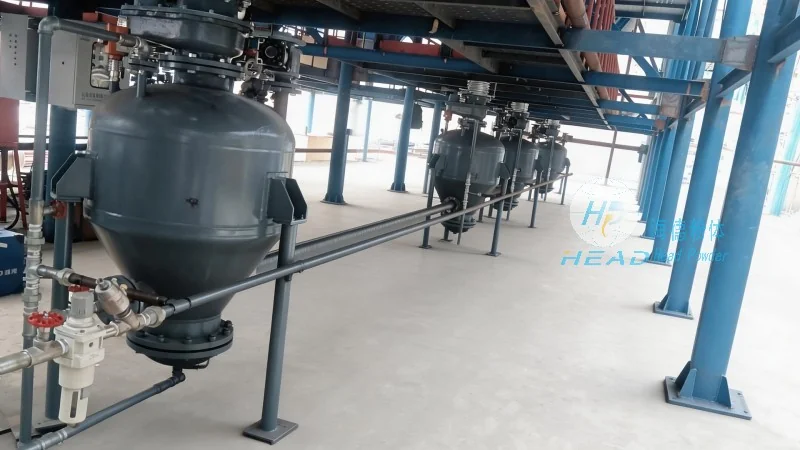
The mechanical properties of PTFE, including tensile strength and elongation at break, are also important considerations. Tensile strength ranges from 20 to 30 MPa, while elongation at break can reach up to 200-500%, depending on the specific formulation. These properties ensure that PTFE components can withstand mechanical stresses during operation without failure. Furthermore, PTFE has a high dielectric strength, making it suitable for electrical insulation applications in certain industries.
When it comes to the conveying system process for PTFE, several factors must be considered to ensure efficient and safe handling. The first step involves material preparation, where PTFE is often processed into granules or powders for easy handling. This involves drying and grinding the material to achieve the desired particle size. The particle size distribution is a critical parameter, as it affects the flow characteristics and the efficiency of the conveying system.
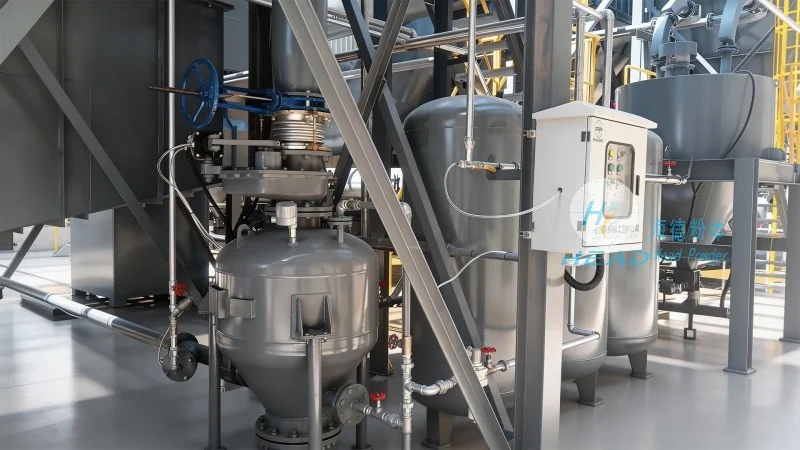
The conveying system typically uses positive displacement pumps or screw conveyors to transport PTFE. These systems are designed to handle the low friction and high density of PTFE, ensuring minimal energy consumption and consistent flow rates. The design of the conveyor components, such as the screw pitch and diameter, is optimized to prevent material buildup and ensure smooth operation. Additionally, the system incorporates proper sealing mechanisms to prevent material leakage and maintain a clean environment.
Temperature control is another crucial aspect of the PTFE conveying process. Since PTFE has a relatively high melting point, the conveying system must maintain temperatures below this threshold to avoid degradation or melting of the material. This is achieved through insulated pipelines and temperature-controlled zones along the conveyor path. Proper temperature management also helps in preventing moisture absorption, which can affect the material's properties over time.
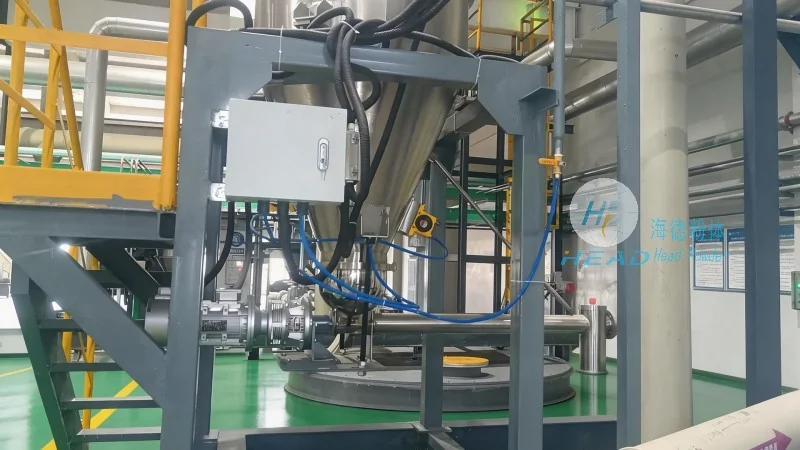
Material handling safety is a top priority in PTFE conveying systems. Due to the potential for dust generation and the presence of hazardous chemicals, the system incorporates dust collection and filtration systems to ensure a safe working environment. Additionally, the equipment is designed with explosion-proof features to prevent accidents in case of any ignition sources. Regular maintenance and inspection of the conveying components are essential to ensure the system operates reliably and safely.
In conclusion, the technical parameters of PTFE and the advanced conveying system processes are vital for optimizing industrial applications. By understanding and applying these parameters, industries can enhance the efficiency, safety, and longevity of their operations. Shandong HeadPowder Engineering Co., Ltd. provides expert solutions tailored to these requirements, ensuring that PTFE is handled effectively and efficiently in various industrial settings.

 Shandong Headpowder Engineering Co., Ltd.
 156-6277-7102(Manager Zhang)
  0531-83386006
  Zhangqiu District, Jinan City, Shandong Province, China
telephone
WeChatconsult
top