

Principle and Working Scene Characteristics of Calcium Oxide Pneumatic Conveying Lines
Calcium oxide, commonly known as quicklime, is a widely used chemical in various industrial processes. The efficient and safe transportation of this material is crucial for maintaining production efficiency and ensuring operational safety. Pneumatic conveying systems have emerged as a reliable solution for handling calcium oxide, offering advantages such as reduced dust generation, improved material flow control, and enhanced safety compared to traditional methods. This article explores the principle of calcium oxide pneumatic conveying lines and highlights the key characteristics of working scenes where these systems are applied.
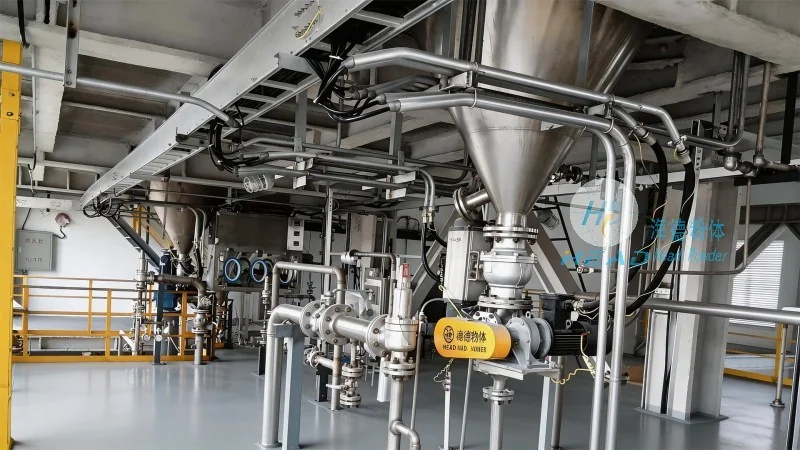
Introduction to Calcium Oxide Pneumatic Conveying Systems
Calcium oxide (CaO) is a basic oxide that reacts with water to form calcium hydroxide. It is used in a range of applications, including steelmaking, paper production, and water treatment. The handling of calcium oxide requires specialized equipment due to its reactivity and the need to minimize dust exposure. Pneumatic conveying systems utilize air or other gases to transport bulk materials like calcium oxide through a network of pipes, ensuring a continuous and controlled flow. These systems are designed to handle the unique properties of calcium oxide, such as its tendency to clump or create dust, while maintaining operational efficiency.
Core Principle of Pneumatic Conveying
The fundamental principle of pneumatic conveying for calcium oxide involves the use of air pressure to move material from a source to a destination. In a typical system, a blower or compressor generates the necessary airflow, which is directed through a pipeline. The calcium oxide is introduced into the system, either by gravity or through a feeder, and is carried along by the moving air. The velocity of the air must be sufficient to keep the material suspended and prevent it from settling or clogging the pipes. The system typically includes components such as a hopper, feeder, pipeline, and receiver, each playing a critical role in the overall operation.
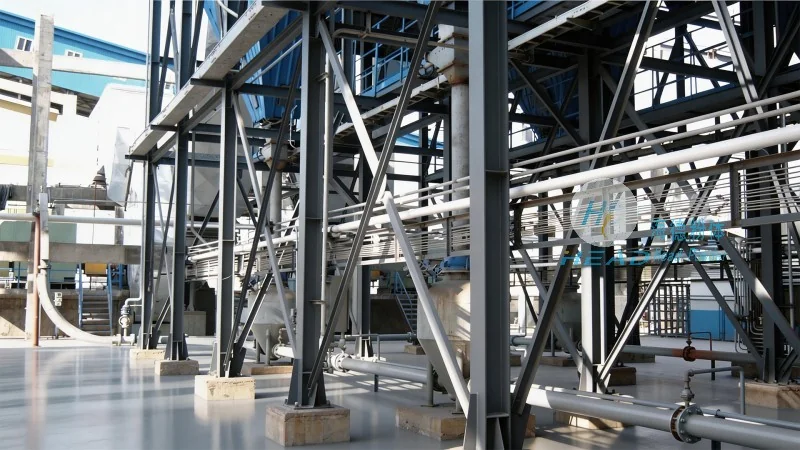
Working Scene Characteristics of Calcium Oxide Pneumatic Conveying Lines
The application of calcium oxide pneumatic conveying lines varies depending on the specific industrial environment. These systems are commonly used in manufacturing facilities where calcium oxide is produced or processed. Key characteristics of the working scenes include:
Industrial Production Facilities
In industrial production settings, such as those operated by Shandong HeadPowder Engineering Co., Ltd., the pneumatic conveying lines are integrated into the production process to transport raw materials or finished products. The working environment is typically characterized by high production volumes and the need for continuous material flow. The systems are designed to handle large quantities of calcium oxide, ensuring that the material is moved efficiently from storage to processing units or from processing to packaging areas. The use of pneumatic conveying in these settings reduces the risk of dust exposure for workers and minimizes the need for manual handling, which can be hazardous.
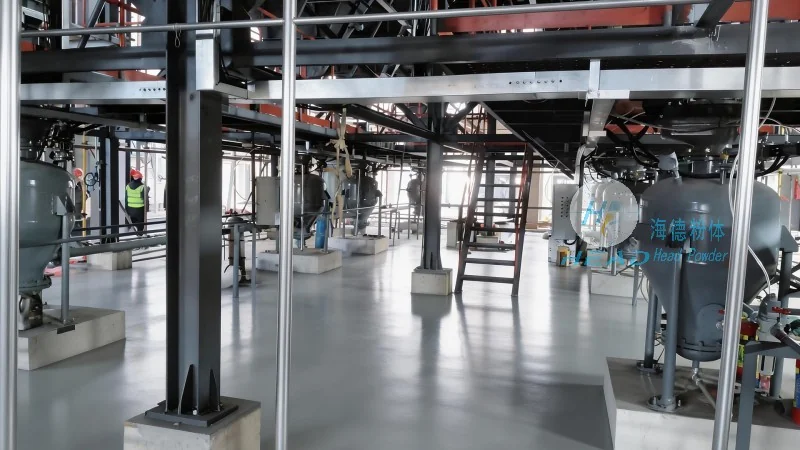
Processing and Handling Areas
Processing areas, where calcium oxide is transformed into other products or prepared for use, also utilize pneumatic conveying systems. These scenes may involve the transfer of calcium oxide from storage silos to mixing or reaction equipment. The working environment in these areas is often characterized by the need for precise material control, as the quality of the final product depends on the accurate delivery of calcium oxide. The pneumatic conveying lines are equipped with control systems that allow for adjustments in airflow and material feed rate, ensuring that the process runs smoothly and efficiently. This level of control is essential for maintaining product consistency and meeting quality standards.
Storage and Distribution Centers
Storage and distribution centers play a crucial role in the supply chain of calcium oxide. Pneumatic conveying lines are used to move the material from storage silos to loading areas or to transport it to different locations within the facility. The working scene in these centers is focused on the efficient movement of bulk materials, with an emphasis on minimizing downtime and ensuring that the material is available when needed. The systems are designed to handle the large volumes of calcium oxide stored in silos, and the use of pneumatic conveying allows for a safe and controlled transfer of the material, reducing the risk of spills or accidents.
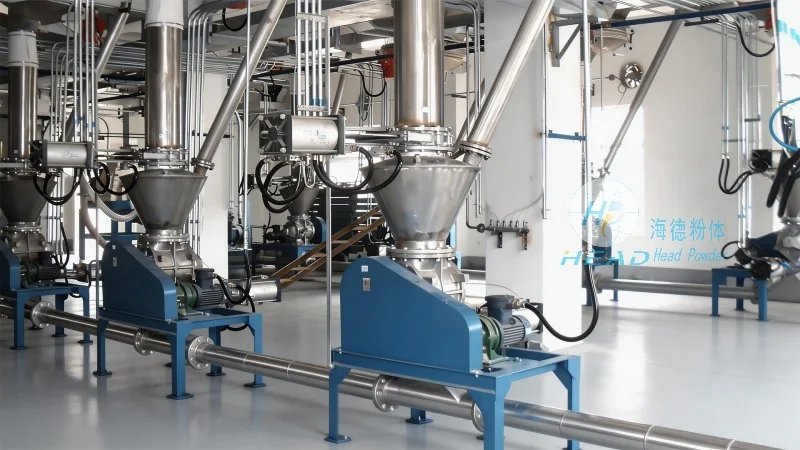
Advantages and Considerations in Working Scenes
When implementing calcium oxide pneumatic conveying lines in various working scenes, several advantages and considerations must be taken into account. The primary advantages include improved safety, reduced labor costs, and enhanced material handling efficiency. However, the design and operation of these systems must consider factors such as the material's properties, the required flow rates, and the environmental conditions of the working environment. For example, in dusty or humid environments, additional measures may be needed to prevent corrosion or material degradation. The choice of equipment, such as the type of blower or the material of the pipeline, also depends on the specific characteristics of the calcium oxide being handled.
Conclusion
Calcium oxide pneumatic conveying lines are an essential component of modern industrial operations, providing a reliable and efficient method for handling this important chemical. The principle of pneumatic conveying, combined with the specific characteristics of working scenes, ensures that these systems can be adapted to various industrial applications. By understanding the core principles and working scene characteristics, industries can optimize their material handling processes, improve safety, and enhance overall operational efficiency. Companies like Shandong HeadPowder Engineering Co., Ltd. specialize in designing and implementing such systems, ensuring that clients receive tailored solutions that meet their specific needs and operational requirements.