With more than 10‑year industry experience, Shandong Headpowder delivers full‑service pneumatic‑conveying systems and blowers, undertaking nationwide turn‑key powder‑handling projects.
Calcite material pneumatic conveying systems are essential equipment in the mineral processing and material handling industries, particularly for transporting calcite powder efficiently and safely. This article will explore the working principle and key features of such systems, providing insights into how they operate and the advantages they offer in industrial applications.
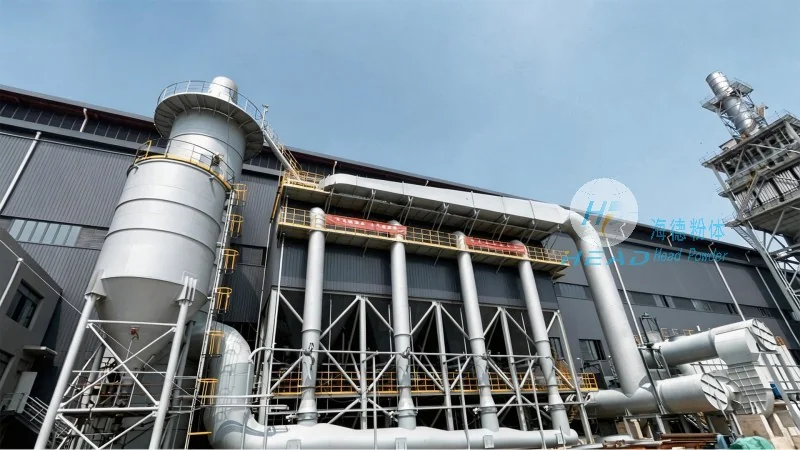
Calcite, a common calcium carbonate mineral, is widely used in various industries including construction, pharmaceuticals, and food processing. The need to transport calcite powder from storage to processing units or packaging areas efficiently has led to the development of specialized pneumatic conveying systems. These systems utilize air as the conveying medium to move calcite particles through pipelines, eliminating the need for mechanical components like belts or buckets that might cause contamination or wear.
The core working principle of a calcite material pneumatic conveying system involves the creation of a pressure differential to move material through a pipeline. There are two main types of pneumatic conveying systems: pressure and vacuum. Pressure systems operate by blowing air into a closed pipeline under positive pressure, while vacuum systems use suction to draw material into a pipeline under negative pressure. For calcite, which is often a fine powder, pressure systems are commonly preferred due to their ability to handle high volumes and maintain consistent flow rates.
In a typical pressure system, the process begins with the calcite powder being fed into a hopper or feeder. The feeder then meters the material into a venturi or a pipeline where high-pressure air is introduced. The air and calcite particles are mixed, creating a slurry-like flow that moves through the pipeline to the destination point. At the receiving end, the air and calcite are separated, with the air being recirculated or vented, and the calcite collected in a bin or silo. The system’s design, including the size of the pipeline, the pressure of the air, and the type of feeder, all play crucial roles in ensuring efficient and reliable operation.
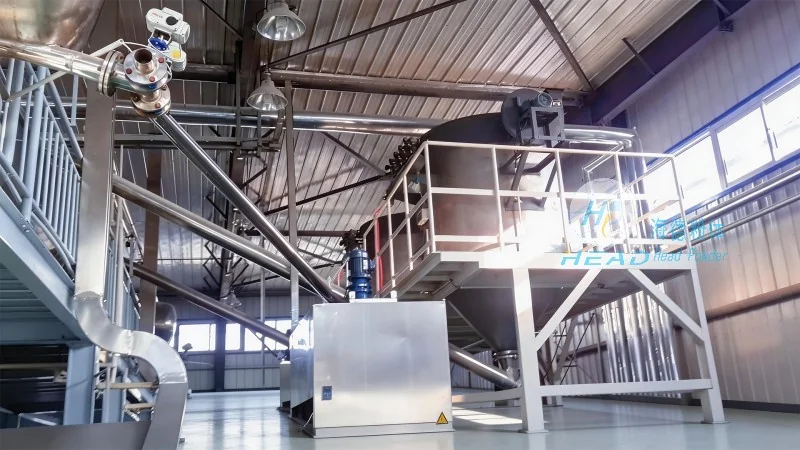
Calcite material pneumatic conveying systems offer several advantages over traditional mechanical conveying methods. Firstly, they provide a clean and hygienic way to transport fine powders like calcite, which is critical in industries such as food and pharmaceuticals where contamination must be minimized. Secondly, these systems are highly flexible, allowing for changes in the layout or direction of the pipeline without major modifications. This adaptability makes them suitable for various industrial settings, from small-scale operations to large-scale production facilities.
Another significant feature is the ability to handle calcite in its powder form without causing agglomeration or caking. The air flow in the system helps maintain the particle size and prevents the material from sticking to the pipeline walls. Additionally, pneumatic conveying systems can operate at high speeds, reducing the overall time required for material transport and increasing productivity. This efficiency is particularly valuable in continuous production processes where downtime can lead to significant losses.
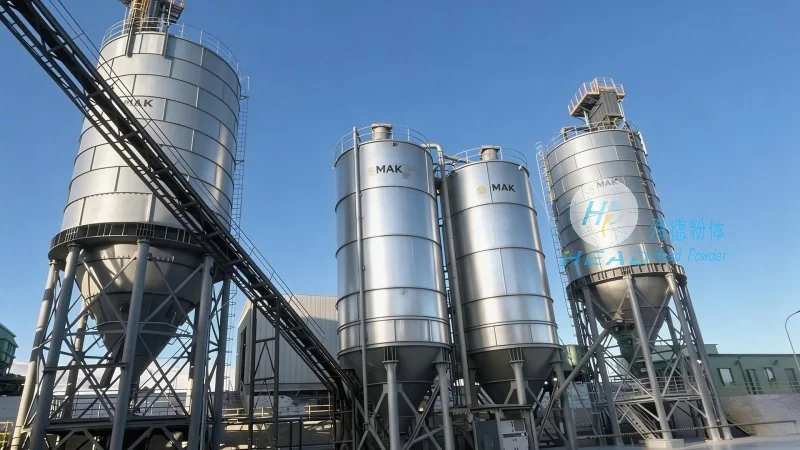
The versatility of calcite material pneumatic conveying systems makes them applicable in a wide range of industries. In the construction industry, calcite is used as a filler in cement and concrete, and the conveying systems ensure that the powder is delivered to mixing plants without any loss or contamination. In the pharmaceutical industry, calcite is used as an excipient in tablets and capsules, and the systems maintain the purity of the material during transport. Similarly, in the food industry, calcite is used as a calcium supplement, and the hygienic design of the conveying systems prevents any cross-contamination with other materials.
Furthermore, these systems are often integrated with other processing equipment, such as grinding mills or classifiers, to form a complete material handling line. This integration allows for a seamless flow of calcite from extraction to final product, optimizing the overall production process. The ability to handle different particle sizes and flow rates also makes the systems adaptable to various calcite grades, from fine powders to coarser granules.
Calcite material pneumatic conveying systems are a vital component in modern industrial operations, offering efficient, clean, and flexible solutions for transporting fine materials. The working principle, which relies on air pressure and flow, ensures reliable and consistent performance, while the key features, including hygienic design and adaptability, make them suitable for diverse applications. As a leading provider in the field, Shandong HeadPowder Engineering Co., Ltd. specializes in designing and manufacturing such systems tailored to the specific needs of calcite processing industries. With a focus on quality and innovation, the company ensures that its products meet the highest standards, providing long-term value and reliability to its clients.

 Shandong Headpowder Engineering Co., Ltd.
 156-6277-7102(Manager Zhang)
  0531-83386006
  Zhangqiu District, Jinan City, Shandong Province, China
telephone
WeChatconsult
top