With more than 10‑year industry experience, Shandong Headpowder delivers full‑service pneumatic‑conveying systems and blowers, undertaking nationwide turn‑key powder‑handling projects.
Sand and gravel material pneumatic conveying lines operate through a sophisticated system that utilizes compressed air to transport bulk materials. The core of this technology involves an air compressor that generates high-pressure air, which then flows through a network of pipes. At the inlet of the conveying line, the sand or gravel is introduced into the air stream, creating a slurry-like mixture. This mixture is propelled through the pipeline by the force of the compressed air, moving the material from the source to the destination. The system typically includes components such as airlocks, cyclones for separation, and filters to ensure efficient and clean operation. The entire process is automated, allowing for continuous and reliable material handling without the need for mechanical contact with the conveyed material, which helps maintain product integrity and reduces wear on equipment.
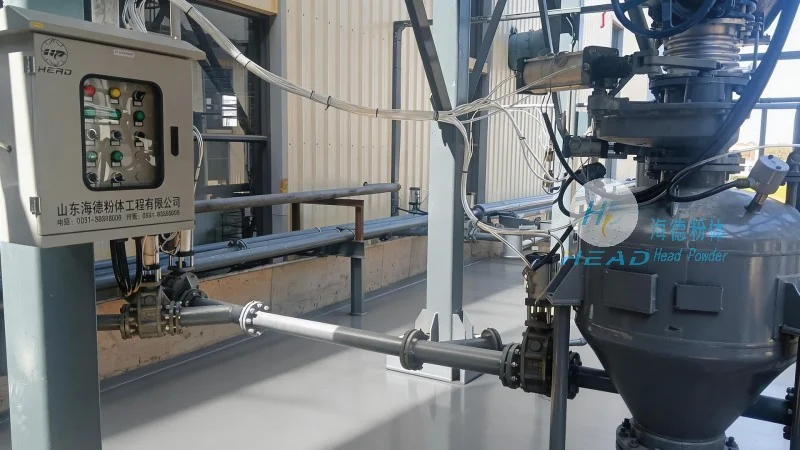
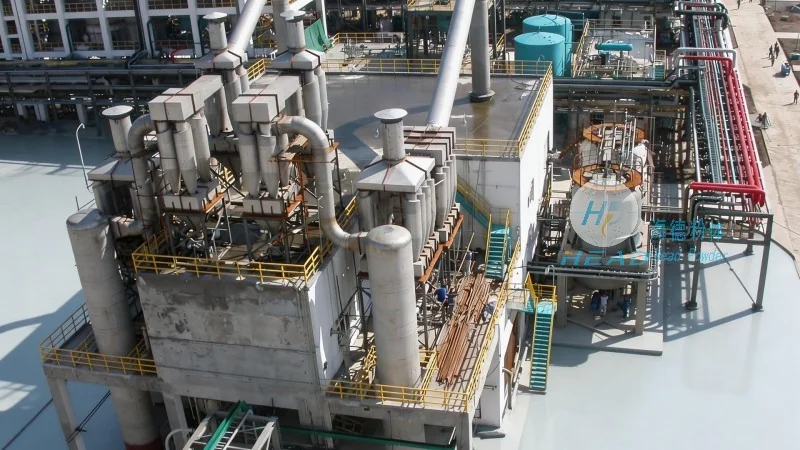
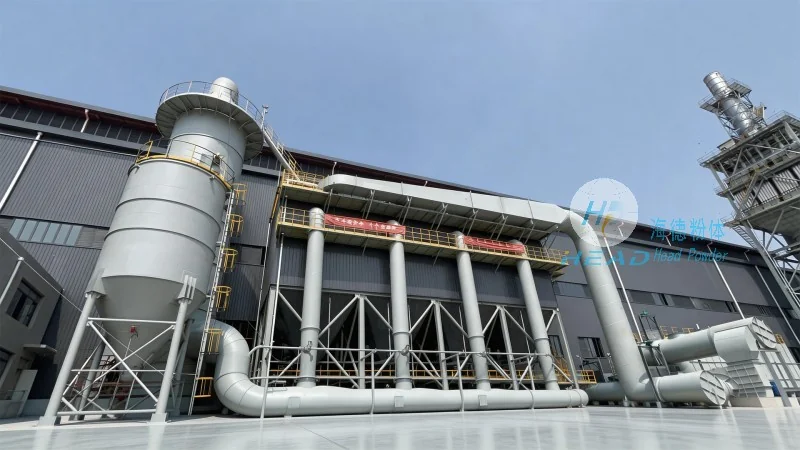
One of the primary advantages of pneumatic conveying systems for sand and gravel is their high efficiency in material transport. These lines can move large volumes of bulk material over significant distances with minimal energy consumption compared to traditional methods like belt conveyors or trucks. The system is also highly flexible, as it can be easily reconfigured to adapt to changes in production needs or facility layout. Additionally, pneumatic conveying offers a hygienic and dust-free operation, which is crucial for applications where product contamination must be avoided, such as in food processing or pharmaceutical industries, though in the context of sand and gravel, it enhances safety and environmental compliance. Another notable feature is the ability to handle a wide range of particle sizes and moisture content, making it suitable for various types of aggregates used in construction and mining. The system's compact design also reduces the footprint of the facility, saving space in industrial settings. Furthermore, the absence of moving parts in the conveying line itself minimizes maintenance requirements, leading to lower operational costs and increased uptime.
The applications of sand and gravel material pneumatic conveying lines are widespread across the construction, mining, and aggregate processing industries. In construction sites, these systems efficiently transport raw materials from stockpiles to processing plants or directly to mixing stations, ensuring a steady supply of aggregates for concrete production. In mining operations, they are used to move crushed rock and ore from extraction sites to processing facilities, improving the logistics of material handling and reducing the need for heavy machinery. The benefits extend beyond efficiency; the system's ability to operate in enclosed environments helps control dust emissions, contributing to better workplace safety and compliance with environmental regulations. For companies like Shandong HeadPowder Engineering Co., Ltd., which specializes in engineering solutions for material handling, the adoption of such systems enhances operational capabilities and supports sustainable industrial practices. The company's expertise in designing and implementing these systems ensures that clients receive tailored solutions that meet their specific production requirements, optimizing both performance and cost-effectiveness.

 Shandong Headpowder Engineering Co., Ltd.
 156-6277-7102(Manager Zhang)
  0531-83386006
  Zhangqiu District, Jinan City, Shandong Province, China
telephone
WeChatconsult
top